
RV Trip Planning for Seniors: A Complete First-Timer's Roadmap
New to RV travel? This comprehensive guide walks senior travelers through every planning stage, from route research to campsite booking.
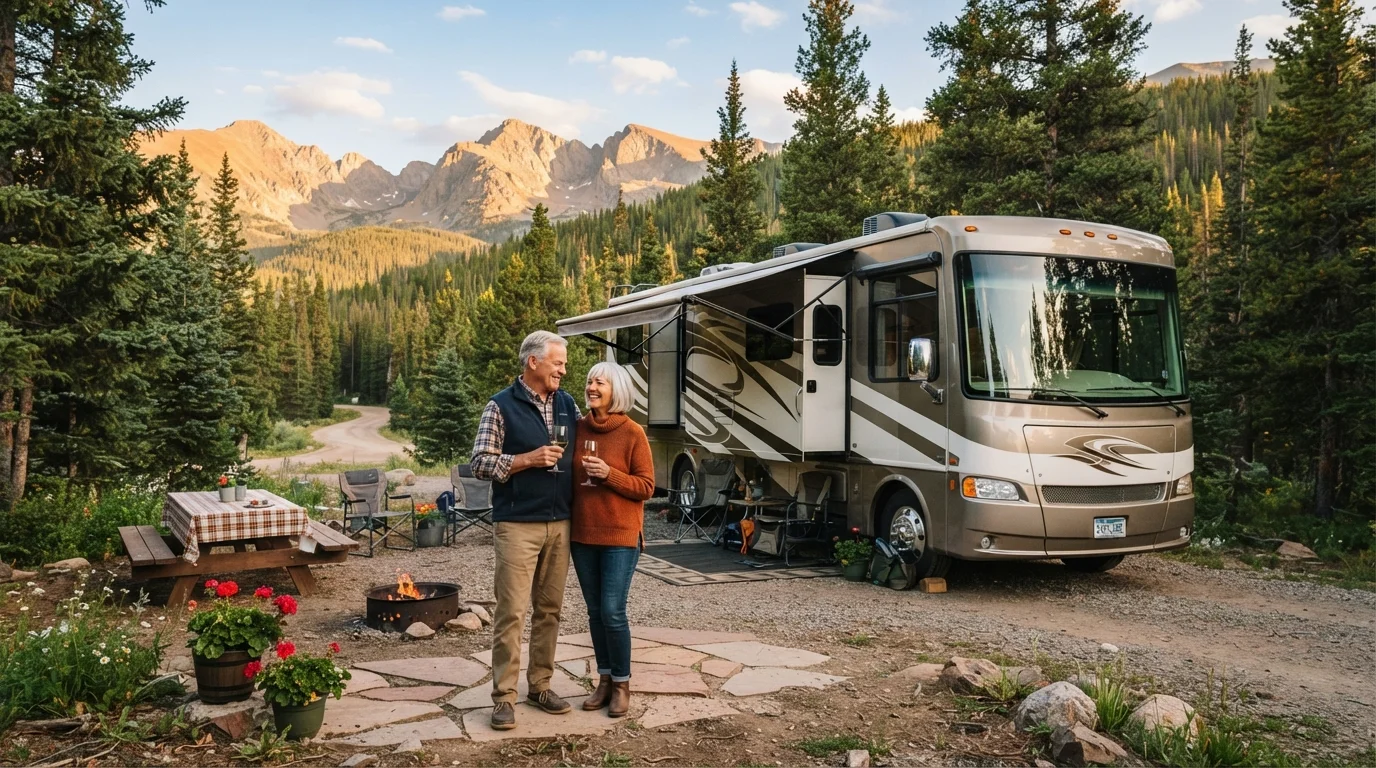
Photo: MyUrbanEscapes.net | Small Escapes. Big Experiences. editorial
—— In This Article
Key Takeaways
- Short first trips of 3–5 nights let you build confidence before committing to longer journeys.
- Route pacing — not distance — is the most important factor in a comfortable senior RV trip.
- Booking campsites at least 4–6 weeks in advance reduces stress and secures accessible spots.
- A pre-departure vehicle and health checklist prevents the most common first-timer problems.
- Understanding dump station timing, fuel logistics, and slide-out clearances prevents costly surprises.
Why RV Travel Works So Well for Seniors
RV travel offers a level of flexibility that few other travel formats can match — and that flexibility is especially valuable for older travelers. You set your own schedule, sleep in a familiar bed each night, control your meals, and avoid the physical strain of frequent hotel check-ins and airport terminals.
For seniors managing health considerations, the self-contained nature of an RV means medications stay refrigerated, mobility aids travel with you, and rest breaks happen whenever you need them. If you're curious how those with ongoing health conditions approach RV travel, see our guide to RV travel with a chronic condition for practical framing — though always consult your own healthcare provider before departing.
Unlike a traditional road trip, an RV journey doesn't require you to unpack every night. That alone removes a significant source of fatigue for many senior travelers.
9.6M
US households that own an RV
According to the RV Industry Association, RV ownership in the US has grown substantially, with millions of households across all age groups participating.
26%
RV owners aged 55 and older
Industry surveys consistently show seniors represent a significant and growing segment of active RV owners and renters in the United States.
Choosing the Right RV for Your Needs
The RV market spans a wide range of vehicle types, from compact camper vans to full-size Class A motorhomes. For first-time senior RVers, the choice often comes down to three practical questions: How comfortable are you driving a large vehicle? Will you be traveling with a partner or solo? And how long do you plan to stay at each stop?
- Class B camper vans are the easiest to drive and park, making them a strong starting point for those who feel uncertain about handling a large vehicle.
- Class C motorhomes offer more living space without the footprint of a full-sized coach — a popular middle ground for couples on trips of one to three weeks.
- Class A motorhomes provide the most interior comfort and storage, but require more driving confidence and careful site selection due to their length.
- Fifth-wheel and travel trailers require a separate tow vehicle but give you a car to use once you're parked — a practical advantage for longer stays.
If you have mobility considerations, driving adaptations for seniors with reduced mobility covers seating adjustments and assistive options worth reviewing before you commit to an RV type.
Rent before you buy — a 4-night rental trip in the class of RV you're considering will teach you more than any brochure. Pay attention to how the driving position feels after two hours.
Many senior RVers who purchased without renting first find they chose a vehicle that's too large to drive comfortably or too small to live in comfortably. A rental trial removes that guesswork.
Request a walk-through tutorial from the rental or dealership — specifically on the water system, electrical hookups, and leveling process. Practice the slide-outs before you leave the lot.
The systems that cause the most first-trip confusion are the ones that differ most from home living. A hands-on tutorial at pickup dramatically reduces setup anxiety at your first campsite.
Planning Your Route: Pace Over Distance
The most common planning mistake first-time senior RVers make is treating the trip like a driving marathon. Covering 400 miles in a day sounds achievable on paper, but combined with setup time, meals, rest stops, and the mental load of navigating unfamiliar roads, it's exhausting. A more sustainable approach puts daily driving at 150–200 miles maximum, with two or three rest nights at each campground.
When building your route, factor in:
- Elevation changes — mountain passes affect fuel consumption and vehicle stress. Many GPS apps designed for RVs will route around low-clearance bridges and steep grades.
- Weather windows — avoid high-heat corridors in summer and high-altitude routes in early spring or late fall when weather is unpredictable.
- Destination anchors — identify two or three places you genuinely want to spend time, then build the route around those rather than trying to see everything.
For a broader overview of domestic road travel pacing and route strategy, planning your first extended US road journey after 60 is a useful complement to this guide. If you're considering a Great Lakes circuit specifically, the Great Lakes RV first-timer's orientation covers regional campground types and seasonal timing.
Campground Booking and Site Selection
Campsite availability — particularly for accessible or pull-through sites — is tighter than many first-timers expect. During peak season (Memorial Day through Labor Day), popular national park campgrounds can book out months in advance. A practical rule: aim to reserve 4–6 weeks ahead for summer travel, and at least 2–3 weeks ahead for shoulder seasons.
When selecting a specific site, look for:
- Pull-through sites — these let you drive in and out without reversing, which reduces stress considerably, especially in tight campgrounds.
- Level ground — unlevel sites require leveling blocks and can affect sleep quality and appliance function.
- Full hookups — water, electric, and sewer connections eliminate the need to manage tanks daily, which simplifies your stay significantly.
- Proximity to bathhouses — if nighttime bathroom trips are a consideration, a shorter walk matters.
If you're considering a longer seasonal stay rather than a touring trip, long-stay RV site decisions seniors often regret covers the distinct planning factors that apply.
Use Campground Reviews for Accessibility Details
When researching sites, look specifically for reviews from RVers who mention accessibility features — step height, path surfaces, or proximity to amenities. These details often don't appear in official listings but are regularly noted by other senior travelers. Campground review platforms and RV-specific forums are the most reliable sources for this kind of on-the-ground insight.
Health, Comfort, and Safety on the Road
Staying well during an RV trip requires a bit more intentional planning than a standard vacation. Key considerations include:
- Medication storage — refrigerated medications need a reliable 12V fridge or cooler; confirm your RV's electrical setup supports uninterrupted cooling before departing.
- Hydration — driving in warm climates or at altitude increases dehydration risk; keep water accessible in the cab.
- Sleep quality — RV mattresses vary widely; a mattress topper is one of the most commonly cited comfort upgrades among experienced RVers.
- Emergency preparedness — carry a first-aid kit, a list of nearby hospitals along your route, and key emergency contacts. Our senior RVer's emergency preparedness reference guide provides a detailed kit and protocol checklist.
This article provides general travel planning information and is not a substitute for personalized medical advice. Consult your healthcare provider before undertaking extended RV travel, particularly if you manage chronic conditions.
Confirm Medication Needs Before Departure
Extended RV trips can take you far from your regular pharmacy network. Confirm with your physician and pharmacist that you have sufficient supply for the full duration of your trip, plus extra in case of delays. If any medication requires refrigeration, test your RV's 12V cooling system thoroughly before relying on it for medication storage. This is general guidance only — always consult your healthcare provider about your specific travel health needs.
Logistics That First-Timers Frequently Overlook
Beyond route and campsite planning, several operational logistics catch new senior RVers off guard. Understanding them in advance prevents the frustration they cause mid-trip.
- Dump stations
- Gray and black water tanks fill faster than expected — typically within 3–4 days of full-hookup use. Know where dump stations are along your route and plan tank management accordingly.
- Fuel stops
- Large RVs require high-clearance fueling lanes. Not all gas stations accommodate them. Diesel-powered rigs also need diesel-specific pumps, which are less common in rural areas. Plan fuel stops as deliberately as campsites.
- Slide-out clearances
- If your RV has slide-out rooms, always verify there's enough lateral space before extending them at an unfamiliar site.
- Propane management
- Propane powers most RV stoves, heaters, and refrigerators when off-grid. Carry a full backup tank and know where refill stations are en route.
For a deeper dive into these and other overlooked planning gaps, why seniors underestimate RV trip logistics is essential reading before your first departure. You may also find things senior RVers discover once they're on the road a useful reality check.
Never Skip a Pre-Drive Walkaround
Before moving your RV each morning, walk the full perimeter to check for slide-outs, awnings, unhitched connections, or items left on the ground. This 60-second habit prevents the most expensive and dangerous departure mistakes. It's especially easy to forget a partially extended step or an open storage bay door in an unfamiliar campsite layout.
Before You Leave Home: A Pre-Trip Checklist
A reliable pre-departure routine catches most of the problems that derail first trips. Work through this checklist in the 48 hours before you leave:
- Vehicle inspection — tire pressure (including the spare), fluid levels, brake lights, turn signals, and wiper condition. If you're uncertain about any component, have a qualified mechanic inspect it before departure.
- Hitch and connection check — if towing, verify the hitch coupling, safety chains, and trailer wiring are correctly connected and tested.
- Slide-outs and awnings retracted — confirm all are fully retracted before driving; departing with one extended causes serious damage.
- Tank levels confirmed — fresh water filled, gray and black tanks emptied, propane topped off.
- Medications and health supplies packed — verify quantities cover the full trip plus a buffer, and that anything temperature-sensitive is properly stored.
- Campsite confirmations printed or saved offline — cell coverage is unreliable in many campground areas.
- Emergency contacts updated — share your itinerary with a trusted contact at home who knows your route and expected check-in times.
For solo travelers, additional safety communication planning is covered in our guide to solo RV travel as a senior. For the broader logistics picture, senior travel logistics from start to finish walks through every planning layer in sequence.
Your First Trip Doesn't Need to Be Long
Many experienced senior RVers recommend a 3–5 night shakedown trip within a few hours of home before committing to a cross-country itinerary. This gives you a chance to discover any comfort adjustments, equipment gaps, or driving concerns in a low-stakes environment. It's not a step back — it's how most confident RVers got their start.

Rv Travel Editorial Team
RV Travel Editorial Team is the collective byline for our editorial team and contributor network. Articles published under this byline or an editorial pen name are researched, written, and reviewed according to our editorial standards for clarity, consistency, and independence before publication.
View author profile