
Planning Your First Extended US Road Journey After 60
A thorough introduction to domestic road travel for older Americans — from route pacing and accommodation choices to health prep and what to expect along the way.
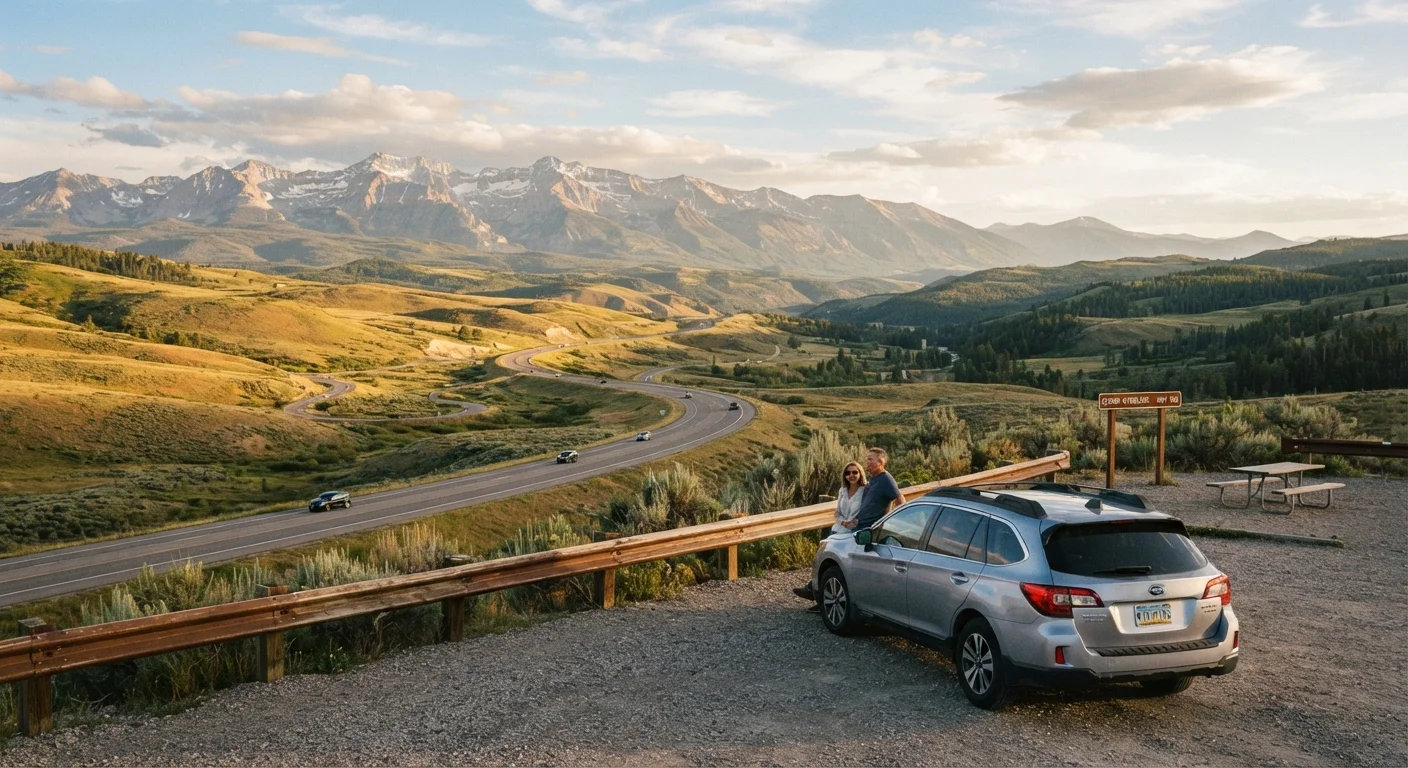
Photo: MyUrbanEscapes.net | Small Escapes. Big Experiences. editorial
—— In This Article
Key Takeaways
- Daily driving distances of 150–200 miles suit most senior travelers better than pushing for 300-plus miles.
- Selecting accommodations in smaller towns reduces noise, parking stress, and crowds.
- Consulting your physician before a multi-week road trip is essential, not optional.
- Flexible routing — with no rigid daily deadlines — is one of the biggest advantages of road travel.
- Interstate rest areas and visitor centers are underrated planning tools once you're underway.
Why a Road Journey Works Well After 60
Road travel offers something most other trip formats cannot: complete control over pace, route, and rest. There are no airline boarding windows, no luggage restrictions, and no rigid tour schedules. For travelers over 60 — many of whom are managing energy levels differently than in earlier decades — that flexibility is a genuine logistical advantage, not just a preference.
Domestic road journeys also eliminate the complexity of international entry requirements, foreign-language navigation, and currency exchange. If you've been considering an overseas adventure but aren't quite ready, a long US road trip is a natural starting point. Our guide to building sustainable international itineraries after 70 covers that next step when you're ready.
The US landscape is also genuinely varied. A single journey can move through coastal lowlands, high desert, forested mountains, and historic small towns — often within a few days of driving.
Anchor point
A confirmed destination in your itinerary — such as a city, park, or landmark — around which you build daily driving segments. Anchor points give structure without eliminating flexibility.
Buffer day
A deliberately unscheduled day built into your itinerary to absorb delays, rest, or spontaneous exploration without disrupting the overall trip.
Daily mileage ceiling
The maximum distance you plan to drive in a single day. Setting a realistic ceiling prevents fatigue and ensures you arrive at accommodations before dark.
Deep vein thrombosis (DVT)
A condition where blood clots form in deep veins, often in the legs, after prolonged periods of sitting. Regular movement during long drives reduces risk. Consult your doctor for personal guidance.
Roll-in shower
A shower design with no step or threshold, allowing entry with a wheelchair or walker. Worth confirming directly with accommodation providers if mobility assistance is needed.
Building a Route That Fits Your Energy
The single most common mistake first-time extended road travelers make — at any age — is overloading the daily driving schedule. A realistic senior-friendly itinerary treats 150–200 miles as a comfortable daily ceiling, not a floor. That distance leaves room for a mid-morning break, a proper lunch stop, a scenic detour, and arrival at your accommodation before dark.
Plan your route around specific anchor points — a national park, a city worth spending two nights in, a coastal stretch — rather than trying to hit every possible sight. Gaps between anchor points are where road travel actually happens: unplanned roadside stops, a recommended diner, a state historical marker that turns into an hour of exploration.
If you're considering an RV for this journey rather than a standard vehicle, the pacing logic is similar but the logistics differ. Our route planning guide for RV travel addresses those differences in detail. For a broader RV comparison, see our complete RV planning roadmap for seniors.
Use Two-Night Stops Strategically
Booking two consecutive nights at the same property every three to four days gives you a full rest day without the effort of repacking and relocating. It also lets you explore a town or region more thoroughly than a single overnight allows.
Choosing Where to Stay Along the Way
Accommodation decisions shape the entire character of a road trip. National chain hotels in highway corridors are predictable but often sit in commercial strips that require a car for every errand. A more rewarding approach for senior travelers is to target smaller towns slightly off major interstates, where independently run inns, historic hotels, and well-reviewed motels offer walkable access to local restaurants and points of interest.
If mobility is a factor, always call ahead to confirm ground-floor availability, roll-in shower access, or elevator presence — online listings don't always reflect the physical reality accurately. State park lodges are another underused option: they typically offer quieter settings, manageable terrain, and proximity to natural attractions without the noise of urban properties.
America the Beautiful Pass Worth Knowing
The America the Beautiful Interagency Annual Pass covers entrance fees at national parks and other federal recreation sites. There is a discounted lifetime version available for US citizens and permanent residents aged 62 and older. Visit the National Park Service website for current details and eligibility requirements.
Health and Safety Preparation
Before any trip lasting more than a week, a brief conversation with your primary care physician is worthwhile — not because road travel is inherently dangerous, but because your doctor can flag whether any current medications require refrigeration, advise on managing conditions like arthritis or blood pressure during long sitting periods, and update any prescriptions you'll need refilled while away.
Carry at minimum a 30-day supply of all medications plus a written list of each drug, dosage, and prescribing physician. A physical copy of your insurance cards, emergency contacts, and any relevant medical history belongs in your glove compartment, separate from your phone.
For extended drives, plan a brief walk or stretch at every fuel stop. Prolonged sitting increases deep vein thrombosis risk — a real consideration for older travelers on long-haul days. Supportive footwear worn throughout the day (not just when walking) reduces fatigue significantly over a multi-week trip.
This article provides general travel planning information and is not a substitute for advice from a qualified healthcare professional regarding your individual health circumstances.
What to Expect on the Road
Experienced road travelers consistently report that the trip evolves in ways the itinerary didn't anticipate — and that this is usually a good thing. Visitor centers at state borders, interstate rest areas, and small-town chambers of commerce are excellent sources of current local intelligence: road conditions, temporary closures, seasonal events, and genuinely local restaurant recommendations.
Build in at least one or two unscheduled days on any trip longer than ten days. These buffer days absorb weather delays, a rest day if fatigue accumulates, or the opportunity to linger somewhere unexpectedly worthwhile. The travelers who leave no margin are the ones who feel pressured and end up driving past things they'd have loved to stop for.
For those who want to continue road travel as a recurring pursuit, the practical insights senior road travelers gather once underway offer a useful perspective on what experience teaches. And if this road journey sparks broader travel ambitions, our international destinations hub is a natural next stop for exploration.
Don't Rely Solely on Navigation Apps
GPS navigation apps can route drivers onto unpaved roads, through low-clearance tunnels, or into areas with poor cell coverage in rural regions. Always carry a current paper road atlas as a backup, and cross-check major route segments before leaving each morning.
Frequently Asked Questions

Top Destinations Editorial Team
Top Destinations Editorial Team is the collective byline for our editorial team and contributor network. Articles published under this byline or an editorial pen name are researched, written, and reviewed according to our editorial standards for clarity, consistency, and independence before publication.
View author profile