
Cruise Ship Size and What It Means for the Senior Experience
From intimate small ships to megaliners, vessel size shapes everything from walking distances to crowd levels. Here's what matters most.
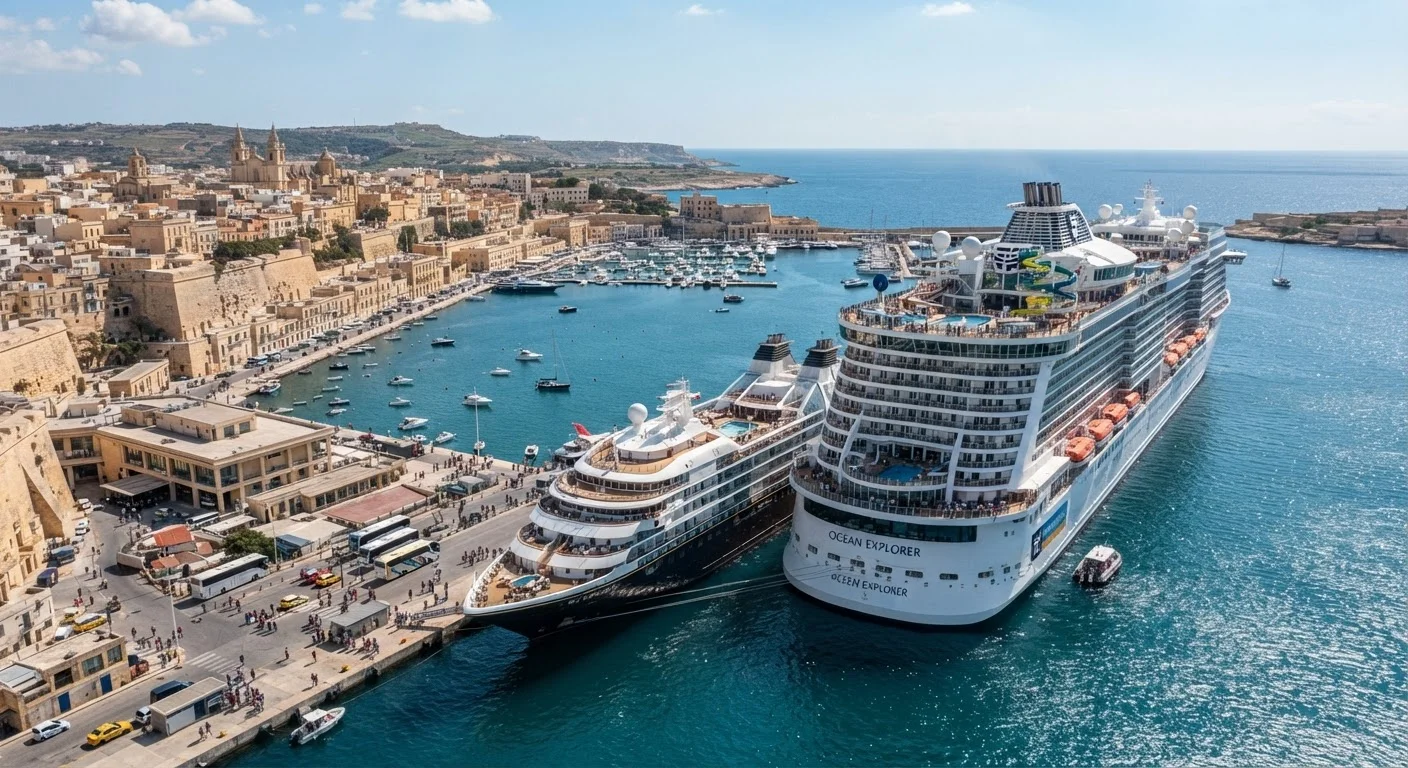
Photo: MyUrbanEscapes.net | Small Escapes. Big Experiences. editorial
—— In This Article
Key Takeaways
- Larger ships offer more onboard amenities but require significantly more walking between areas.
- Small and mid-size ships often call at less-crowded ports and provide a more relaxed pace.
- Accessibility features vary by ship age and class, not just by size — always verify before booking.
- Megaships suit seniors who want entertainment variety; small ships suit those who prefer quieter, destination-focused travel.
- Medical facilities are generally more comprehensive on larger vessels.
Why Ship Size Is a Senior Travel Decision, Not Just a Preference
When planning a cruise, many travelers focus on itinerary and cabin category — but for seniors, the size of the ship itself may be the single most consequential variable. Walking distances, crowd density, noise levels, the availability of elevators, and access to medical care all shift meaningfully depending on whether a vessel carries 300 passengers or 6,000.
This isn't about comfort preferences alone. For travelers managing joint pain, reduced stamina, hearing difficulties, or balance concerns, the physical scale of a ship has direct practical consequences. Understanding what each size category typically offers allows seniors — and those traveling with them — to make a genuinely informed decision before booking. For a broader look at how ships are built with older passengers in mind, see how cruise ships are designed with older travelers in mind.
Small Ships: Intimacy, Access, and a Gentler Pace
Small ships — typically carrying fewer than 700 passengers — are often described as boutique or expedition vessels. Their defining characteristic for senior travelers is compactness: getting from a cabin to the dining room, deck, or lounge rarely requires navigating long corridors, multiple elevator banks, or crowded thoroughfares.
These ships frequently dock directly at smaller ports that larger vessels simply cannot access, which can mean less tendering (being ferried from ship to shore by small boat) and more time ashore. Shore excursions tend to be less rushed. Staff-to-guest ratios are usually higher, meaning service is more attentive and individual needs are easier to communicate.
The trade-offs are real, however. Small ships offer fewer dining venues, limited entertainment programming, and smaller fitness or wellness spaces. Crucially, on-board medical facilities are typically minimal — often a single nurse or physician with basic equipment. Seniors with complex health needs should weigh this carefully. The complete overview of cruise health and safety for seniors addresses this consideration in detail.
Ask About Tendering Before You Book
Small ships that anchor offshore and ferry passengers by tender boat can pose real challenges for travelers with limited mobility or balance concerns. Before booking a small-ship itinerary, ask the cruise line specifically which ports require tendering and what assistance is available. Some lines allow passengers to remain on board if they prefer not to tender ashore.
Large and Mega Ships: Variety, Infrastructure, and the Walking Factor
Large ships (roughly 2,000–4,000 passengers) and megaliners (4,000+) are floating resorts with multiple pools, dozens of dining options, theaters, spas, and extensive activity programming. For seniors who thrive in socially active environments or who want a single-destination experience where the ship itself is the attraction, this scale has clear appeal.
Medical infrastructure is considerably more robust on large ships, with staffed medical centers, diagnostic equipment, and the ability to manage more serious health events until the ship reaches port. This is a meaningful reassurance for many senior travelers.
The central challenge is physical scale. On a megaliner, walking from one end of a deck to the other can cover a quarter-mile or more. Peak times at elevators, buffets, and entertainment venues can feel overwhelming. Seniors who fatigue easily or use mobility aids should research specific ship layouts before committing — not all large ships have equal elevator access or step-free routing. For detailed guidance on navigating these environments, cruise ship accessibility for cabins, decks, and shore excursions provides practical specifics.
| Small Ship (<700) | Mid-Size (700–2,000) | Large/Mega (2,000+) | |
|---|---|---|---|
| Walking distances onboard | Minimal | Moderate | Extensive — up to ¼ mile per deck |
| Medical facility quality | Basic (nurse/basic equipment) | Moderate — staffed clinic | Full medical center with diagnostics |
| Port access | Smaller, less-crowded ports | Wide variety of ports | Major, high-traffic ports |
| Crowd levels | Very low | Moderate | High at peak times |
| Dining and entertainment variety | Limited | Good selection | Extensive — dozens of options |
| Staff-to-guest ratio | High — more personal service | Moderate | Lower — more self-directed |
| Typical fare per night | Often higher per person | Mid-range | Can be more budget-accessible |
Mid-Size Ships: A Middle Ground Worth Considering
Ships carrying roughly 700–2,000 passengers occupy a practical middle ground that many senior travelers find genuinely satisfying. They offer meaningfully more amenities and medical capability than small ships while remaining compact enough to avoid the disorienting scale of a megaliner.
Mid-size vessels also tend to access a wider variety of ports than megaships, and their smaller crowds make embarkation, disembarkation, and shore excursion logistics considerably smoother. For solo senior travelers especially, the more manageable social environment can ease connection with fellow passengers. What the onboard experience looks like for solo senior cruisers explores this dimension further.
Those weighing ocean cruises of any size against the inherently smaller scale of river cruising should also consult the comparison of river cruise vs. ocean cruise for older travelers, which addresses pace, accessibility, and itinerary differences side by side.
Accessibility Claims Need Verification
Ship size alone does not determine accessibility quality. Older vessels — regardless of capacity — may lack wide cabin doorways, roll-in showers, or fully step-free deck routing. Always request the cruise line's written accessibility guide for the specific ship you are considering, not just the class or brand. Features vary significantly from vessel to vessel, and general marketing language is not a substitute for confirmed specifications.

Cruise Travel Editorial Team
Cruise Travel Editorial Team is the collective byline for our editorial team and contributor network. Articles published under this byline or an editorial pen name are researched, written, and reviewed according to our editorial standards for clarity, consistency, and independence before publication.
View author profile