
Choosing a Cruise Season: How Weather, Crowds, and Ship Behavior Vary by Time of Year
Shoulder seasons, hurricane windows, and peak family periods all affect the senior cruising experience differently. A seasonal planning overview.
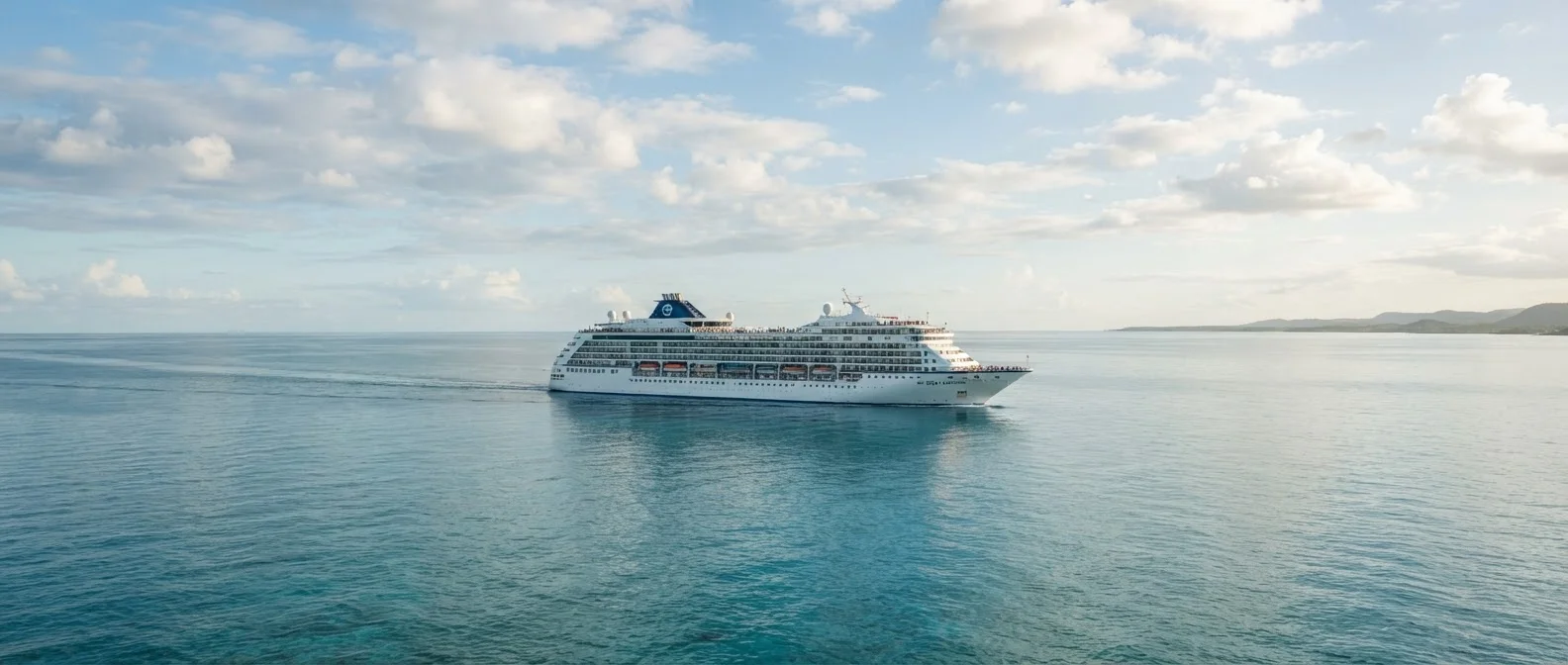
Photo: MyUrbanEscapes.net | Small Escapes. Big Experiences. editorial
—— In This Article
Key Takeaways
- Peak season brings reliable weather but larger crowds and higher fares across most itineraries.
- Shoulder seasons often offer a meaningful balance of pleasant conditions and reduced passenger volumes.
- Hurricane season overlaps with Caribbean cruising windows — understanding the risk is important for seniors.
- Ship behavior, including onboard programming and crowd levels, shifts noticeably by time of year.
- Seniors who prioritize accessibility and pace benefit from choosing travel dates strategically.
Why Season Matters More on a Cruise Than on Land
On a land-based vacation, a rainy afternoon might mean ducking into a café. At sea, weather doesn't just affect comfort — it can alter itineraries, close tender ports, or create rough sailing conditions that affect mobility on deck. For seniors especially, understanding how seasonal patterns shape the cruising experience is one of the most practical planning decisions available.
Seasons affect three interconnected things: weather and sea conditions, crowd composition and volume, and how ships are run — including staffing levels, onboard programming, and the overall atmosphere. These factors interact differently depending on the region. A Caribbean itinerary behaves very differently from an Alaskan or Mediterranean one. See our guide to reading cruise itineraries for more on how port and sea day ratios shift across seasons.
Peak Season: Stability at a Cost
Peak season aligns with school holidays and the most predictably favorable weather windows for each region. In the Caribbean, that means roughly December through April. In Alaska and Northern Europe, the prime months cluster around June through August. Mediterranean itineraries peak in summer as well.
The advantages are real: ports are fully operational, weather is more consistent, and excursions run reliably. For seniors managing health conditions or mobility limitations, fewer weather-related disruptions can feel reassuring. However, peak season also means ships sail closer to full capacity, popular ports fill quickly, and onboard spaces — pools, dining rooms, and accessible seating — compete for attention. If you're sensitive to noise or prefer a quieter pace, peak season can feel overstimulating.
| Peak Season | Shoulder Season | Value/Off-Season | |
|---|---|---|---|
| Weather Reliability | High — most predictable conditions | Moderate — generally favorable | Variable — some disruption risk |
| Crowd Levels | High — ships near full capacity | Moderate — noticeably quieter | Low — most relaxed atmosphere |
| Fare Levels | Highest typical fares | Moderate — meaningful savings possible | Lowest fares available |
| Family/School Holiday Traffic | Very high during school breaks | Lower — fewer families | Minimal family presence |
| Accessibility & Service Availability | More competition for resources | Easier access to accessible amenities | Easiest access — low passenger load |
| Itinerary Stability | High — ports fully operational | Generally stable | Higher disruption risk in storm-prone regions |
Programming on fully booked ships skews toward families and active demographics during summer school holidays. Seniors seeking quieter enrichment activities — lectures, cultural programming, low-key evening entertainment — may find peak-season ships less attuned to their preferences. For guidance on navigating busy onboard schedules, this overview of entertainment schedules offers practical strategies.
Shoulder Season: The Practical Sweet Spot
Shoulder seasons — the weeks bracketing peak periods — frequently offer the most balanced experience for senior travelers. In the Caribbean, that can mean late April through May or November. In the Mediterranean, May, early June, and September tend to offer warm but not extreme temperatures, thinner crowds, and more attentive service on ships operating below full capacity.
Shoulder Season Booking Strategy
When booking a shoulder-season sailing, ask your cruise line or travel advisor specifically about the passenger capacity expected for that voyage. A ship sailing at 70% capacity behaves very differently from one at 95%. Even modest reductions in passenger load can significantly improve the experience for seniors who value quieter spaces and quicker service.
With fewer passengers aboard, dining reservations become easier to secure, accessibility equipment is more readily available, and staff-to-guest ratios improve noticeably. Shore excursions face less competition for spaces, meaning popular sites are more manageable. The shoulder season guide for warm destinations explores this timing advantage across multiple regions. For a realistic look at what price differences actually look like between seasons, this seasonal pricing breakdown is worth consulting before booking.
Hurricane Season and Value Windows: Weighing the Risk
The Atlantic hurricane season runs June through November, with peak activity typically from August through October. Many Caribbean itineraries continue operating during these months, and ships do reroute around storm systems — but that flexibility comes with real uncertainty. Shore excursions can be cancelled, ports swapped, and sea days substituted with little notice.
Hurricane Season Itinerary Changes
If you book a Caribbean cruise between August and October, prepare for the possibility that your itinerary may change with limited advance notice. Seniors with planned accessible excursions, medical transfers, or specific port-based needs should confirm cancellation and rebooking policies before sailing. Travel insurance that covers itinerary disruptions is worth reviewing carefully — consult a licensed insurance professional about appropriate coverage for your situation.
For seniors with tight mobility windows, medical appointments, or specific accessibility needs at planned ports, unpredictable itinerary changes carry greater consequences. That said, early June and November offer genuine value: fares tend to be lower, ships quieter, and the statistical risk of significant disruption is meaningfully reduced compared to the August–October peak. This balanced look at off-season travel outlines what travelers typically gain — and give up — in detail. Anyone cruising in warm, humid conditions should also review guidance on managing heat and sun exposure at sea, as shoulder and value seasons in tropical regions still carry significant heat risk.
How Ship Behavior Changes Through the Year
Beyond weather, ships themselves behave differently depending on the season. Staffing contracts often cycle on seasonal ships, meaning a repositioning cruise in spring or autumn may feature crews at different stages of their rotation. Onboard programming responds to passenger demographics: a ship carrying many families in July will schedule differently from one carrying mostly retirees in October or January.
Ships operating in shoulder and off-peak periods sometimes carry reduced passenger loads, which affects everything from wait times at the medical center to availability of quieter lounges. For seniors who rely on consistent access to health services or accessible amenities, this matters. The complete overview of cruise health and safety for seniors covers what to look for across ship types and sailing conditions. Repositioning cruises — when ships move between seasonal deployment regions — often represent exceptional value and tend to attract older, experienced travelers, making for a quieter, more relaxed atmosphere overall. The onboard experience hub provides additional detail on what to expect from ship amenities across different voyage types.
This article provides general travel planning information. Conditions, itineraries, and pricing vary by cruise line and sailing date. Always verify current schedules and health considerations with your provider and a qualified healthcare professional before travel.

Cruise Travel Editorial Team
Cruise Travel Editorial Team is the collective byline for our editorial team and contributor network. Articles published under this byline or an editorial pen name are researched, written, and reviewed according to our editorial standards for clarity, consistency, and independence before publication.
View author profile