
Off-Season Travel: What Seniors Gain—and Give Up
Traveling outside peak periods can cut costs significantly, but there are real trade-offs. Here's an honest look at what to expect.
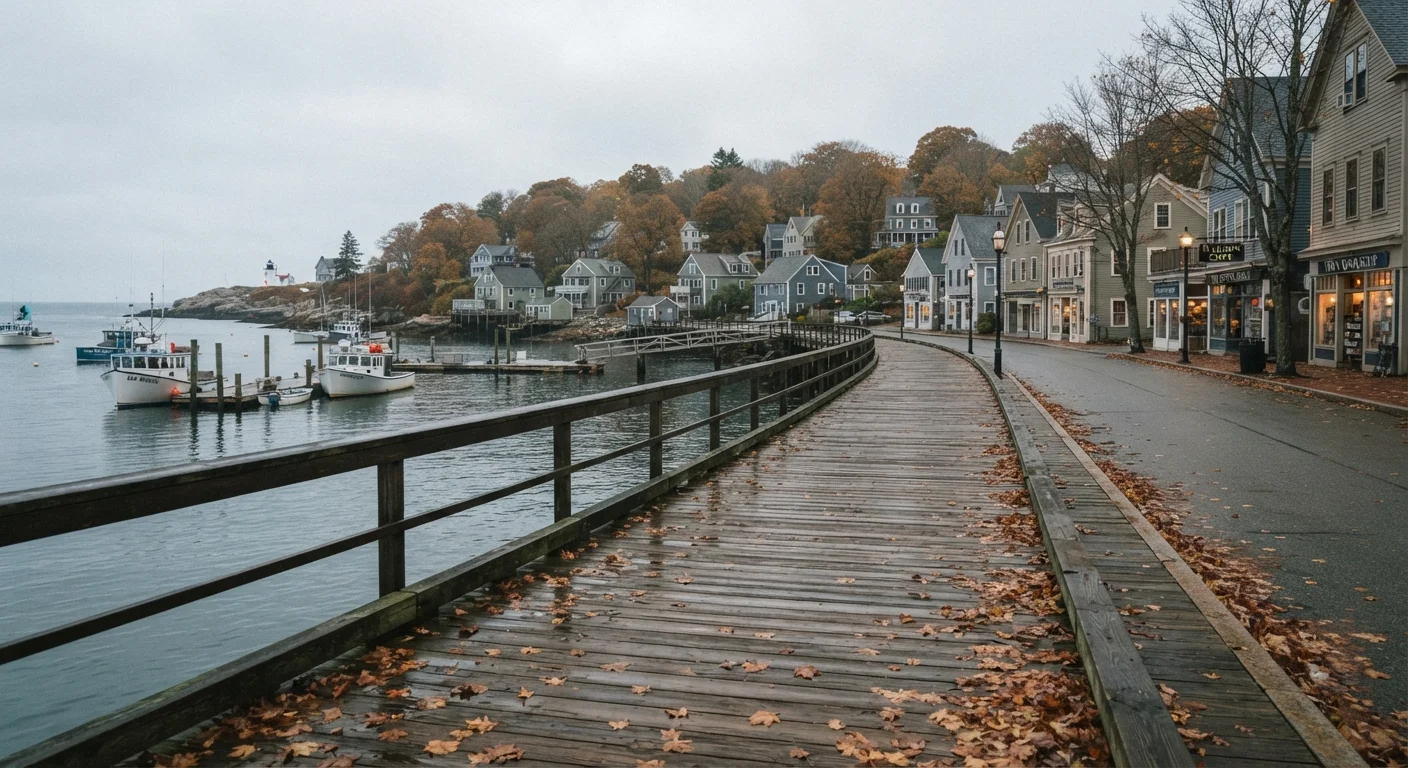
Photo: MyUrbanEscapes.net | Small Escapes. Big Experiences. editorial
—— In This Article
Key Takeaways
- Off-season travel often means lower accommodation and flight costs compared to peak periods.
- Reduced crowds can make popular sites more accessible and enjoyable for seniors.
- Some destinations close services, limit dining options, or experience unpredictable weather off-peak.
- Health and mobility considerations matter more when fewer amenities and support services are available.
- Shoulder season — just before or after peak — frequently offers the best balance of savings and comfort.
Significantly lower accommodation and flight costs
Off-season rates for hotels and flights can be noticeably lower than peak prices, though actual savings vary widely by destination and dates. Checking fare history tools gives a realistic baseline.
Smaller crowds at major attractions
Popular sites that feel overwhelming in summer — national parks, city centers, historic landmarks — are far more navigable when visitor numbers drop, reducing physical strain for seniors.
More personalized service from staff
Hotels, restaurants, and tour operators are less stretched during slow seasons, which often translates to more attentive, unhurried service for travelers.
Easier access to accommodation choices
Properties that are fully booked months in advance during peak periods often have availability at short notice off-season, giving travelers more options and negotiating room.
A slower, more relaxed travel pace
Without the pressure of crowds and overbooked schedules, off-season trips naturally align with a lower-stress style of travel that many seniors prefer.
Unpredictable or unfavorable weather conditions
Off-season often coincides with a destination's rainy, cold, or stormy period. This can limit outdoor activities and complicate mobility for seniors with weather-sensitive health conditions.
Reduced dining and activity options
Seasonal businesses — restaurants, tour operators, rental shops — frequently close during low-traffic months, leaving fewer choices and sometimes requiring significant advance planning.
Limited public transportation schedules
Bus routes, ferry services, and shuttle connections often run on reduced off-season timetables, which can create real logistical problems for travelers who don't drive.
Some attractions operate on restricted hours or close entirely
Museums, parks, and visitor centers sometimes shut seasonally or cut hours dramatically. Verifying schedules directly with venues before booking is essential.
Higher risk of trip disruption from weather events
Flights and ground transport are more susceptible to cancellation during shoulder and off-peak windows — particularly in destinations prone to off-season storms or flooding.
What Off-Season Actually Means
"Off-season" refers to the period when a destination experiences its lowest visitor traffic — typically driven by school calendars, climate patterns, or major holidays. For beach destinations, that might mean November through March. For ski towns, it's summer. The timing is destination-specific, which matters when planning.
There's also a middle ground: the shoulder season, which falls just before or after peak. Many travel advisors consider this the sweet spot for value-conscious travelers. For a deeper look at how timing affects pricing across flights, hotels, and tours, see what the price gap actually looks like.
The Advantages Worth Considering
Off-season travel offers several concrete benefits for seniors — beyond the obvious cost angle.
Significantly lower accommodation and flight costs
Off-season rates for hotels and flights can be noticeably lower than peak prices, though actual savings vary widely by destination and dates. Checking fare history tools gives a realistic baseline.
Smaller crowds at major attractions
Popular sites that feel overwhelming in summer — national parks, city centers, historic landmarks — are far more navigable when visitor numbers drop, reducing physical strain for seniors.
More personalized service from staff
Hotels, restaurants, and tour operators are less stretched during slow seasons, which often translates to more attentive, unhurried service for travelers.
Easier access to accommodation choices
Properties that are fully booked months in advance during peak periods often have availability at short notice off-season, giving travelers more options and negotiating room.
A slower, more relaxed travel pace
Without the pressure of crowds and overbooked schedules, off-season trips naturally align with a lower-stress style of travel that many seniors prefer.
20–40%
Typical hotel rate reduction in off-season
Industry data generally shows accommodation prices drop 20–40% during low-demand periods compared to peak season, though this varies significantly by destination and property type.
30%+
Potential airfare savings vs. peak dates
According to fare tracking analyses by consumer travel research groups, flights booked for off-peak travel periods can be 30% or more below peak-season pricing on the same routes.
Fewer visitors also means shorter queues, less noise, and more attentive service at restaurants and hotels — factors that matter particularly if mobility or stamina are concerns. Museums, historic sites, and national parks feel entirely different without summer crowds. As noted in off-peak travel is more than just cheaper flights, the pace alone can make a destination more enjoyable.
The Real Trade-Offs
The downsides of off-season travel are concrete — and worth evaluating honestly before booking.
Unpredictable or unfavorable weather conditions
Off-season often coincides with a destination's rainy, cold, or stormy period. This can limit outdoor activities and complicate mobility for seniors with weather-sensitive health conditions.
Reduced dining and activity options
Seasonal businesses — restaurants, tour operators, rental shops — frequently close during low-traffic months, leaving fewer choices and sometimes requiring significant advance planning.
Limited public transportation schedules
Bus routes, ferry services, and shuttle connections often run on reduced off-season timetables, which can create real logistical problems for travelers who don't drive.
Some attractions operate on restricted hours or close entirely
Museums, parks, and visitor centers sometimes shut seasonally or cut hours dramatically. Verifying schedules directly with venues before booking is essential.
Higher risk of trip disruption from weather events
Flights and ground transport are more susceptible to cancellation during shoulder and off-peak windows — particularly in destinations prone to off-season storms or flooding.
For seniors with specific health considerations, reduced access to medical facilities in remote or seasonal destinations adds another layer of risk. Always verify what services are available year-round at your destination, not just during peak season. Our article on hidden costs that can drain a budget covers the financial surprises that catch many travelers off guard.
Cruises Have Their Own Off-Season Calculus
Cruise itineraries have seasonal patterns that differ from land-based travel — and the trade-offs are different too. Hurricane season discounts on Caribbean cruises, for example, come with real weather risk. Before booking a cruise around off-season pricing, review how weather and crowds vary by cruise season to understand what you're trading.
Planning Strategies That Help
A few practical habits reduce the risk of off-season travel going sideways:
- Research closure calendars before finalizing destinations — many tourism boards publish seasonal operating hours for attractions and transport.
- Book refundable rates where possible to preserve flexibility if weather or conditions change plans.
- Travel insurance matters more off-season, when trip interruptions due to weather or closures are more likely. Review policy terms carefully and consult a licensed insurance professional for guidance on coverage appropriate to your situation.
- Consider shoulder season as a compromise — see why timing changes everything for seniors in warm destinations.
If you're deciding between a shorter trip and an extended stay, the trade-off analysis in short trips vs. extended vacations applies equally to off-season timing decisions.

Travel On A Budget Editorial Team
Travel on a Budget Editorial Team is the collective byline for our editorial team and contributor network. Articles published under this byline or an editorial pen name are researched, written, and reviewed according to our editorial standards for clarity, consistency, and independence before publication.
View author profile