
Off-Peak Travel Is More Than Just Cheaper Flights
Traveling outside peak season offers seniors real advantages beyond price — smaller crowds, shorter queues, and a more relaxed pace at popular destinations.
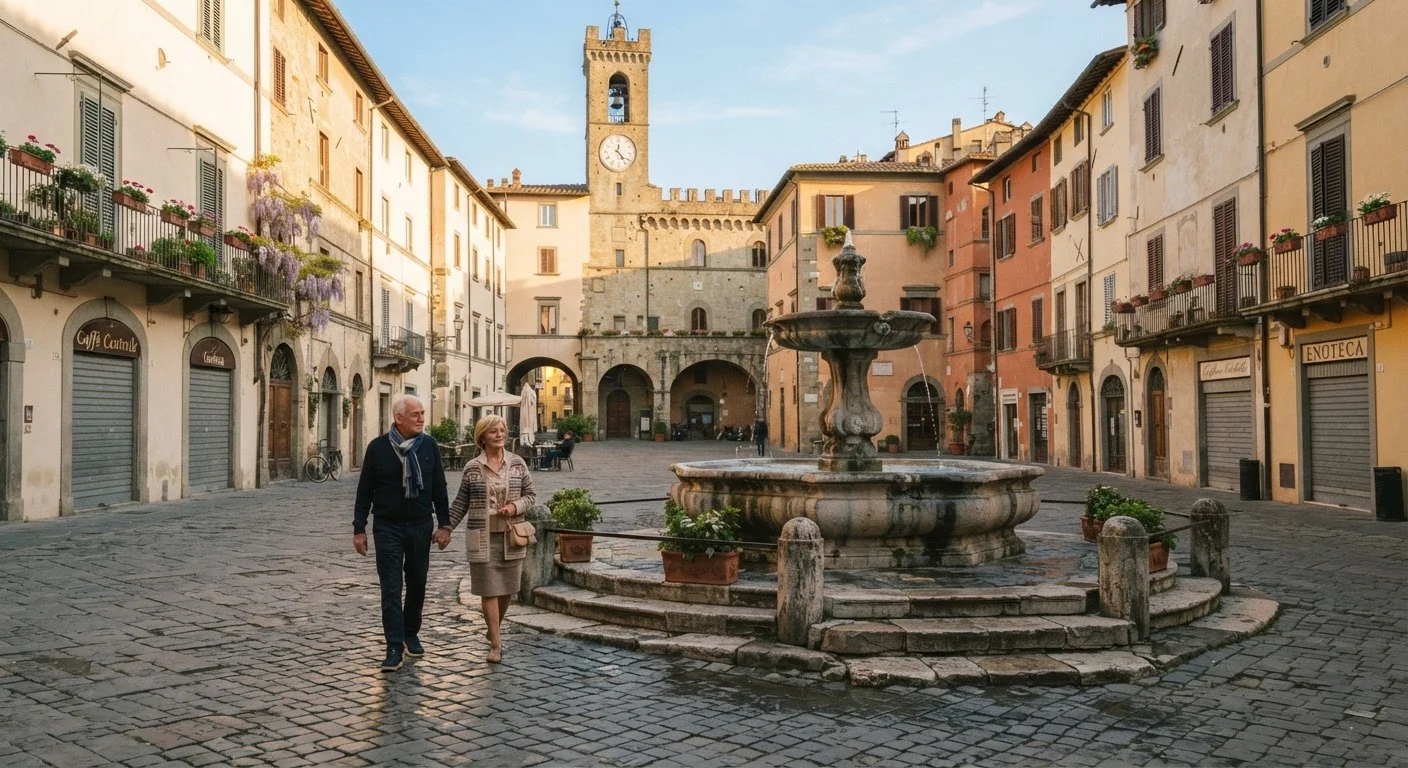
Photo: MyUrbanEscapes.net | Small Escapes. Big Experiences. editorial
—— In This Article
Key Takeaways
- Off-peak travel reduces crowds at popular sites, making sightseeing more comfortable and accessible for seniors.
- Lower tourist volume often means shorter queues — a meaningful benefit for those with mobility or stamina concerns.
- Many destinations offer a more authentic, local atmosphere when visitor numbers drop.
- Some services and attractions may have reduced hours or closures during off-season periods.
- Combining off-peak timing with longer stays can compound comfort and value benefits.
The Real Benefits Beyond the Price Tag
Most discussions about off-peak travel lead with cost savings. And yes, traveling outside the busiest periods can lower what you pay for flights, hotels, and tours. But for seniors, the less-talked-about benefits often matter just as much — sometimes more.
When tourist numbers drop, the experience at a destination changes in ways that go directly to comfort and ease. Shorter lines at museums. More available seating at popular restaurants. Easier access to taxi and transit services. Less noise and physical jostling in public spaces. These factors aren't minor inconveniences during peak season — for travelers managing joint pain, fatigue, or limited stamina, they can determine whether a day out is enjoyable or exhausting.
There's also a slower, more human quality to destinations in their quieter months. Locals tend to be more relaxed. Conversations happen more naturally. The atmosphere shifts from transactional to genuinely welcoming. Many senior travelers find this pace aligns better with how they prefer to explore.
30–50%
Typical visitor volume drop at popular sites in off-peak months
Industry tourism data consistently shows major visitor attractions in Europe and North America see significantly lower attendance outside summer and holiday periods.
62%
Seniors who cite crowds as a top travel stress factor
Surveys by senior travel organizations have found crowd density to be one of the most commonly cited sources of travel discomfort among travelers aged 60 and over.
Accessibility Gets Easier When Crowds Thin
Accessibility at popular attractions is rarely as seamless as brochures suggest — particularly at peak times. Narrow historic streets, crowded entry points, and long standing queues create real friction for travelers with mobility aids, hearing devices, or stamina limitations. Off-peak timing can remove or substantially reduce these barriers.
Wheelchair users often find it significantly easier to navigate sites when foot traffic is lower. Staff at smaller museums and historic sites tend to be more available to assist when the visitor volume is manageable. Audio tours and guided experiences can proceed at a more comfortable pace without the pressure of crowds pressing forward.
For destinations that are simply too chaotic to enjoy fully in summer, an off-season visit can transform the experience entirely. Shoulder season in warm destinations offers a particularly useful middle ground — mild temperatures, thinner crowds, and most services still running.
Call Ahead to Confirm Accessibility Services
Even at well-known accessible destinations, reduced staffing during off-peak months can affect what assistance is available on a given day. Call attractions directly before your visit to confirm ramp access, elevator operation, and staff availability. A quick phone call prevents unpleasant surprises on arrival.
How to Make Off-Peak Travel Work for Your Trip
Getting the most from off-peak travel takes a bit of research upfront. Start by confirming which services, attractions, and transport options remain open during the period you're considering. Some smaller towns effectively close down in low season, while major cities stay fully operational year-round.
Pairing off-peak timing with a longer stay often amplifies both the comfort and value benefits. When you're not racing to see everything before the crowds arrive, you can move at a pace that suits you. Extended rental stays reduce the daily logistics of frequent check-ins and make off-peak periods even more relaxed.
It's also worth noting that not all off-peak periods are equal. Weather, local events, and regional factors shape what any given low-season window actually feels like on the ground. Our article how off-season timing can quietly drain a budget outlines the hidden costs worth watching for. And if you're weighing how trip length interacts with timing, short trips vs. extended vacations offers a useful comparison.
Finally, check what senior discounts apply at your destination — many are available year-round and stack well with the natural savings that come from traveling in lower-demand periods.
This article is for general informational purposes only. Consult a qualified healthcare professional regarding any health or medical considerations related to travel.
Frequently Asked Questions

Senior Trip Planning Editorial Team
Senior Trip Planning Editorial Team is the collective byline for our editorial team and contributor network. Articles published under this byline or an editorial pen name are researched, written, and reviewed according to our editorial standards for clarity, consistency, and independence before publication.
View author profile