
Shoulder Season in Warm Destinations: Why Timing Changes Everything for Seniors
Traveling in the shoulder season can mean milder temps, thinner crowds, and lower costs. Here's what seniors gain by shifting their timing.
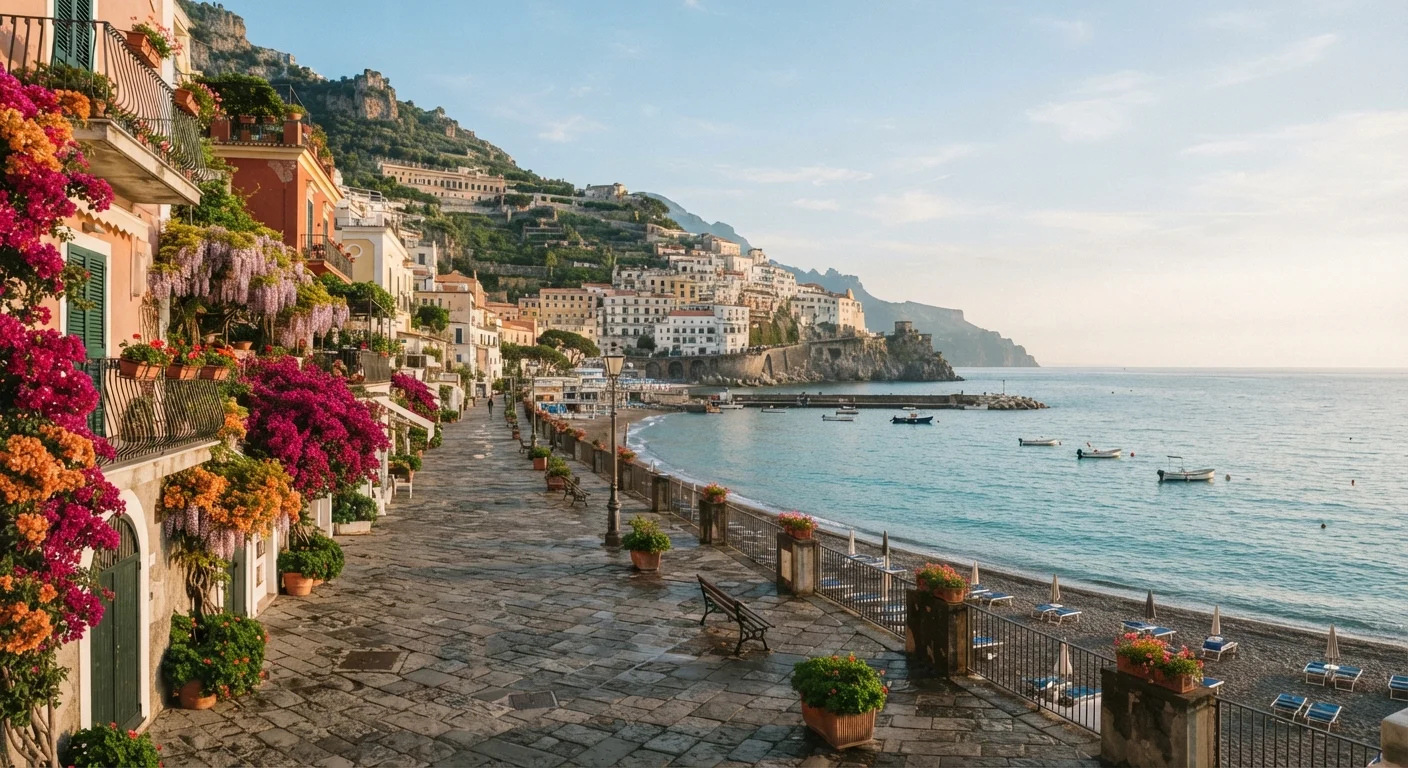
Photo: MyUrbanEscapes.net | Small Escapes. Big Experiences. editorial
—— In This Article
Key Takeaways
- Shoulder season typically falls in the weeks just before or after peak tourist periods at warm destinations.
- Milder temperatures during shoulder season often suit seniors better than the intense summer heat of peak periods.
- Crowds thin noticeably, making sightseeing, dining, and transit more accessible and less physically demanding.
- Some services and attractions may operate on reduced schedules during shoulder months.
- Verifying entry requirements, weather patterns, and local event calendars before booking is always essential.
Temperatures are more moderate and physically manageable
Peak summer heat at many warm destinations regularly exceeds what's comfortable for extended outdoor activity. Shoulder season typically delivers the warmth seniors travel for without the oppressive midday temperatures that force retreat indoors.
Crowds are noticeably thinner at major sites
Popular attractions, restaurants, and transport hubs operate well below capacity, reducing wait times, noise levels, and the physical effort of navigating packed spaces — all of which matter more when fatigue or mobility are considerations.
Accommodation and flight pricing often eases
While pricing varies by destination and year, shoulder periods frequently see softened rates at hotels and more availability on popular routes, giving travelers more flexibility in both budget and scheduling.
Service quality tends to improve with lower occupancy
Hotels, restaurants, and tour operators working below full capacity typically provide more attentive, unhurried service — a meaningful difference for travelers who appreciate personal assistance or have specific needs.
Easier access to reservations and availability
Securing tables at well-regarded restaurants, spots on guided tours, or rooms at preferred properties is considerably less competitive outside peak windows, reducing the logistical stress of advance planning.
Weather is transitional and less predictable
Shoulder months are inherently variable — a week of ideal conditions can be followed by unseasonable rain or wind. Travelers who need consistent warmth for health or comfort reasons may find this uncertainty stressful to manage.
Some attractions and services operate reduced hours
Seasonal businesses — beach clubs, boat tours, certain museums — may run abbreviated schedules or close entirely during shoulder months, potentially limiting the activities a traveler has specifically planned around.
Local infrastructure may feel between seasons
Staff-to-guest ratios in the hospitality sector can dip as properties transition between seasonal and year-round operations, occasionally resulting in slower response times or fewer on-site amenities than peak season.
Hurricane and storm risk overlaps in some regions
In the Caribbean and parts of the Gulf Coast, the fall shoulder period coincides with active hurricane season, introducing weather risk that requires careful monitoring and robust travel insurance consideration.
What Shoulder Season Actually Means at Warm Destinations
Shoulder season sits in the transitional weeks between a destination's peak tourist period and its quietest off-season months. At most warm-weather destinations — think coastal Mediterranean towns, Caribbean islands, or the American Southwest — peak season typically coincides with school holidays and the hottest summer months. Shoulder season, by contrast, often falls in April through early June or September through October in the Northern Hemisphere.
Understanding this timing matters because "warm" doesn't always mean the same thing across shoulder months. Southern Spain in October, for example, is genuinely pleasant — highs commonly in the mid-60s to low 70s Fahrenheit — while the same destination in July can push past 95°F. For seniors, that distinction carries more weight than it does for younger travelers who recover from heat more easily. As our guide to why warm-weather destinations appeal to senior travelers notes, mild and stable climates are among the most consistently cited priorities for this age group.
Shoulder Season Dates Vary by Destination
There is no single universal definition of when shoulder season begins or ends — it depends on the specific destination, regional school calendars, local climate patterns, and which market a destination primarily serves. A Caribbean island may have a different shoulder window than a Mediterranean coastal city or a Florida beach town. Always research the specific timing for your chosen destination rather than applying a general rule. Local tourism boards and travel advisories are reliable starting points for this research.
The Advantages of Traveling Slightly Off the Peak
The practical benefits for senior travelers are specific and concrete, not just theoretical savings.
Temperatures are more moderate and physically manageable
Peak summer heat at many warm destinations regularly exceeds what's comfortable for extended outdoor activity. Shoulder season typically delivers the warmth seniors travel for without the oppressive midday temperatures that force retreat indoors.
Crowds are noticeably thinner at major sites
Popular attractions, restaurants, and transport hubs operate well below capacity, reducing wait times, noise levels, and the physical effort of navigating packed spaces — all of which matter more when fatigue or mobility are considerations.
Accommodation and flight pricing often eases
While pricing varies by destination and year, shoulder periods frequently see softened rates at hotels and more availability on popular routes, giving travelers more flexibility in both budget and scheduling.
Service quality tends to improve with lower occupancy
Hotels, restaurants, and tour operators working below full capacity typically provide more attentive, unhurried service — a meaningful difference for travelers who appreciate personal assistance or have specific needs.
Easier access to reservations and availability
Securing tables at well-regarded restaurants, spots on guided tours, or rooms at preferred properties is considerably less competitive outside peak windows, reducing the logistical stress of advance planning.
30–50%
Typical hotel rate reduction in shoulder vs. peak season
Industry travel analysts consistently report significant accommodation price softening at popular warm destinations during shoulder months, though actual figures vary widely by location and year.
40%+
Reduction in visitor volume at popular European sites
Tourism management studies from Mediterranean destinations have documented visitor numbers dropping sharply outside the June–August peak window, with some sites seeing more than 40% fewer visitors in May or October.
Beyond lighter crowds, shoulder season frequently delivers better service quality. Hotels operating below full capacity have more staff bandwidth, restaurants are less rushed, and guided tours tend to include fewer participants — all of which translate directly into a more comfortable and less fatiguing day. For seniors managing joint pain, limited stamina, or mobility considerations, avoiding the physical gauntlet of high-season tourism can be as significant as any price difference. See also why off-peak travel offers more than cheaper flights for a fuller picture of non-financial benefits.
The Trade-Offs Worth Knowing Before You Book
Shoulder season isn't uniformly advantageous, and honest planning requires acknowledging the real limitations.
Weather is transitional and less predictable
Shoulder months are inherently variable — a week of ideal conditions can be followed by unseasonable rain or wind. Travelers who need consistent warmth for health or comfort reasons may find this uncertainty stressful to manage.
Some attractions and services operate reduced hours
Seasonal businesses — beach clubs, boat tours, certain museums — may run abbreviated schedules or close entirely during shoulder months, potentially limiting the activities a traveler has specifically planned around.
Local infrastructure may feel between seasons
Staff-to-guest ratios in the hospitality sector can dip as properties transition between seasonal and year-round operations, occasionally resulting in slower response times or fewer on-site amenities than peak season.
Hurricane and storm risk overlaps in some regions
In the Caribbean and parts of the Gulf Coast, the fall shoulder period coincides with active hurricane season, introducing weather risk that requires careful monitoring and robust travel insurance consideration.
Weather is the most significant variable. A destination's shoulder months are transitional by definition, which means conditions can shift quickly. The Caribbean's hurricane season overlaps with what would otherwise be an appealing fall shoulder window — a factor that cruise and island travelers should weigh carefully. Our overview of how cruise seasons vary by weather and crowds covers this interaction in detail. It's also worth understanding that shoulder season cost advantages, while real, don't always appear uniformly across flights, accommodation, and tours — what the price gap between shoulder and high season actually looks like gives a realistic breakdown.
Making Shoulder Season Work Practically
The seniors who navigate shoulder season most successfully tend to do a few things consistently. They verify which specific attractions matter to them and confirm those remain fully operational during the travel window they're considering. They check the destination's local event calendar — a major festival in shoulder season can temporarily spike crowds and prices, while a regional celebration can add genuine cultural richness to a visit.
Travel insurance becomes particularly relevant when booking during transitional weather periods. Policy terms vary widely, so seniors should review coverage details carefully and consult a licensed insurance professional with any specific questions about what's included. For a candid look at the financial side of timing decisions, what seniors gain and give up with off-season travel and how off-season timing can quietly drain a travel budget both address the less obvious costs that catch travelers off guard.
Finally, always verify entry requirements, health documentation needs, and local advisories with official government and provider sources before booking — these details change and should never be assumed from secondary sources.

Top Destinations Editorial Team
Top Destinations Editorial Team is the collective byline for our editorial team and contributor network. Articles published under this byline or an editorial pen name are researched, written, and reviewed according to our editorial standards for clarity, consistency, and independence before publication.
View author profile