
Sun, Heat, and Sea: Managing Environmental Risks on a Cruise
How sun exposure, high temperatures, and humidity affect older adults at sea—and sensible precautions to keep in mind throughout a voyage.
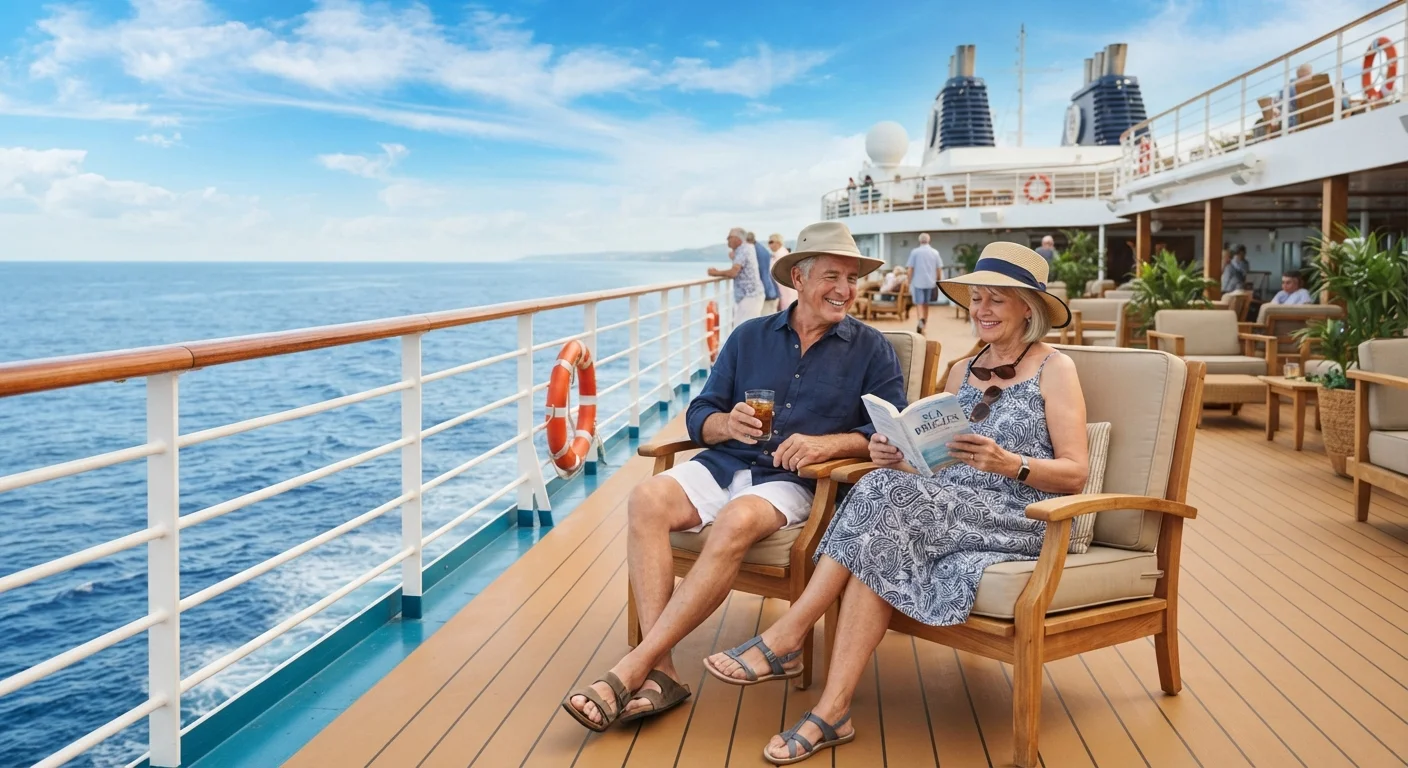
Photo: MyUrbanEscapes.net | Small Escapes. Big Experiences. editorial
—— In This Article
Key Takeaways
- Older adults are more vulnerable to heat-related illness because the body's cooling system becomes less efficient with age.
- Sun intensity at sea is heightened by reflection off water, making UV protection especially important on cruise decks.
- Staying hydrated requires conscious effort; thirst sensation often diminishes as people age.
- Medication interactions with heat and sun are common among seniors and worth discussing with a doctor before sailing.
- Recognizing early warning signs of heat exhaustion can prevent a serious medical emergency onboard.
Why the Cruise Environment Poses Unique Challenges
A cruise combines several environmental factors that, individually, require attention — and together, demand a thoughtful approach. Open decks expose passengers to direct sunlight, intense reflected UV from the ocean surface, and sustained heat, often in high-humidity destinations like the Caribbean or the Mediterranean in summer. For older adults, this combination is more consequential than it might seem.
As the body ages, its ability to regulate temperature becomes less reliable. Sweat glands produce less output, skin loses some of its capacity to shed heat, and the sensation of thirst becomes a less dependable signal of dehydration. The result is that heat stress can develop more quickly and with less obvious warning. Understanding these physiological realities is the first step toward a safer voyage. For a broader look at how the aging body responds to climate extremes, see our guide on how climate extremes affect older travelers.
2–3×
Higher heat stroke risk for adults over 65
Public health research consistently shows older adults face significantly elevated risk of serious heat-related illness compared to younger populations, due to age-related changes in thermoregulation.
~50%
More UV reflection over open water vs. land
Water surfaces can reflect a substantial portion of UV radiation back toward those on deck, compounding direct sun exposure for cruise passengers spending time outdoors.
Best Practices for Sun and Heat Safety Onboard
The following practices reflect widely recognized guidance for managing environmental health risks in warm, sunny conditions. They are particularly relevant for cruisers spending time on open decks or going ashore in hot climates. This information is for general educational purposes — always consult your personal physician before travel, especially if you have cardiovascular, kidney, or other chronic health conditions.
Apply broad-spectrum SPF 30 or higher sunscreen at least 30 minutes before going on deck, and reapply every two hours.
UV radiation at sea is intensified by reflection off the water's surface, increasing the risk of sunburn and long-term skin damage. Older skin is generally thinner and more susceptible to UV harm. Consistent sunscreen use is among the most straightforward protections available.
Schedule active time — deck walks, excursions, and outdoor activities — for early morning or late afternoon, avoiding peak sun hours between 10 a.m. and 3 p.m.
Solar intensity and ambient temperature peak during midday hours, placing maximum stress on the cardiovascular system at the moment when heat regulation is already taxed. Shifting activity to cooler parts of the day reduces cumulative heat exposure significantly.
Drink water consistently throughout the day, not only when you feel thirsty.
Thirst becomes a less reliable hydration signal as we age. By the time thirst registers, mild dehydration may already be underway. Proactive, scheduled fluid intake is more effective than reactive drinking. For detailed guidance on this topic, see our article on staying hydrated and avoiding heat illness.
Review all current medications with your physician before departure, specifically asking about heat and sun interactions.
Many commonly prescribed medications — including certain diuretics, blood pressure drugs, and antihistamines — can impair heat tolerance, increase photosensitivity, or affect fluid balance. Knowing which of your medications carry these risks allows you to take targeted precautions.
Wear protective clothing — wide-brimmed hats, UV-blocking sunglasses, and lightweight long sleeves — during extended time outdoors.
Physical barriers against sun exposure complement sunscreen and are particularly valuable when reapplication isn't practical. Quality UV-protective clothing can block a substantial portion of radiation without adding significant weight or warmth.
Identify air-conditioned spaces on the ship and use them as regular cool-down retreats during hot days.
Periodic cooling breaks allow the core body temperature to reset, reducing cumulative heat stress over a long day at sea or ashore. Cruise ships offer multiple air-conditioned venues — lounges, libraries, dining rooms — specifically suited for this purpose.
Quick Steps You Can Take Before Boarding
Preparation before you set foot on the gangway is just as important as what you do onboard. A few targeted actions can significantly reduce your risk of heat- or sun-related discomfort during the voyage.
For a deeper look at pre-trip health planning, the Senior Health Prep hub offers comprehensive guidance tailored to older adults preparing for any kind of journey.
Recognizing Warning Signs and Responding Appropriately
Even with careful preparation, environmental conditions at sea can sometimes overwhelm the body's defenses. Knowing when something is wrong — and acting promptly — can make a critical difference.
Early signs of heat exhaustion include heavy sweating, weakness, cool or pale skin, a fast or weak pulse, nausea, and muscle cramps. If you or a travel companion experience these symptoms, move to a cool, shaded or air-conditioned area, sip water slowly, and rest. Heat exhaustion that is not addressed can progress to heat stroke, which is a medical emergency requiring immediate attention from onboard medical staff.
Know Where the Medical Center Is
On your first day onboard, locate the ship's medical center and note its hours of operation. Many cruise ships display this information in the daily program or on the in-cabin television. Acting quickly at the first sign of heat illness — rather than waiting to see if symptoms resolve — is always the safer choice when you're at sea.
Cruise ships are required to carry medical personnel and equipment, but the ship's medical center is not a substitute for your regular care team. Use it for emergencies and urgent concerns; for ongoing health management, maintain communication with your own physician throughout the voyage. Our Health & Safety planning section covers more on staying safe while traveling as a senior.
This article is for general informational purposes only and does not constitute medical advice. Consult a qualified healthcare professional before making decisions about your health, medications, or fitness to travel.

Cruise Travel Editorial Team
Cruise Travel Editorial Team is the collective byline for our editorial team and contributor network. Articles published under this byline or an editorial pen name are researched, written, and reviewed according to our editorial standards for clarity, consistency, and independence before publication.
View author profile