
Heat, Altitude, and Cold: How Climate Extremes Affect Older Travelers
Understanding how your body responds differently to heat exhaustion, altitude sickness, and cold exposure as you age — and how to prepare accordingly.
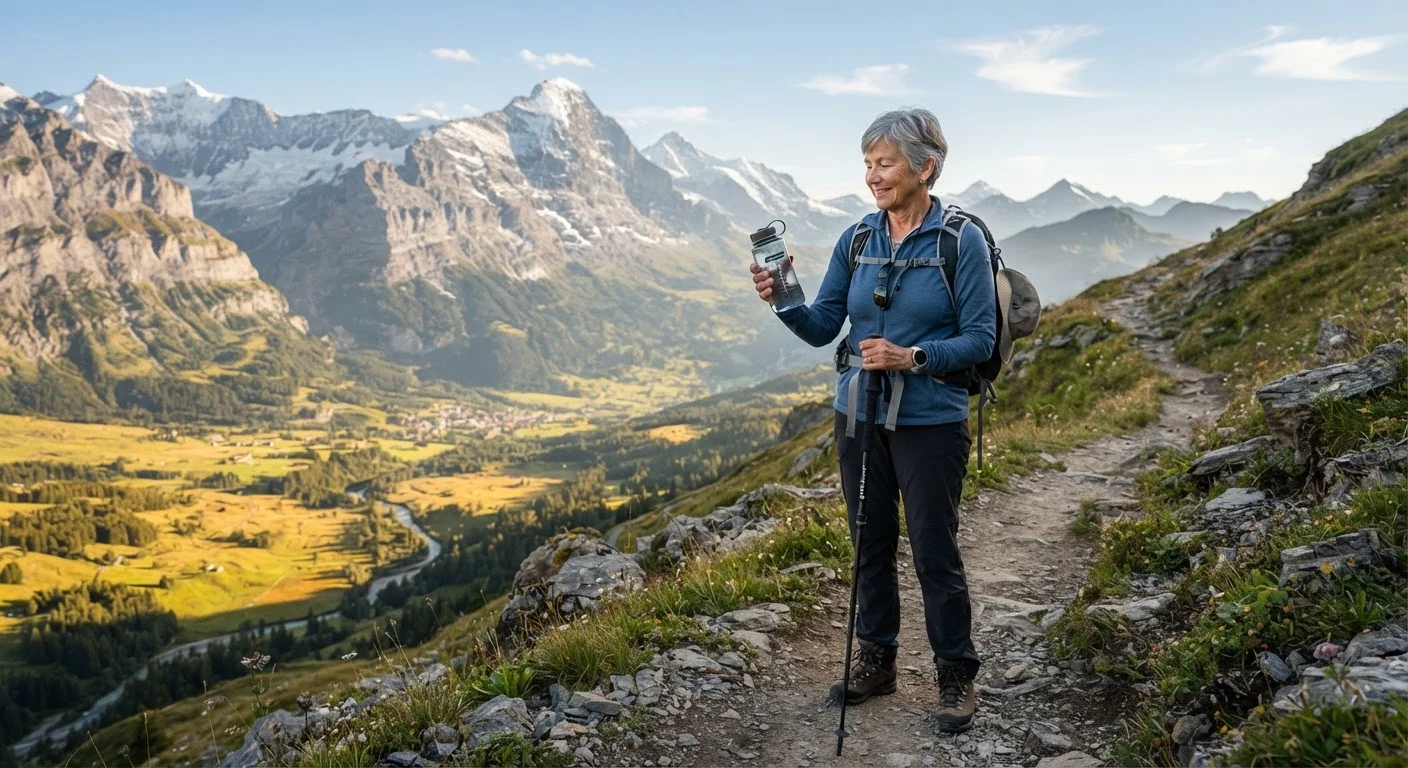
Photo: MyUrbanEscapes.net | Small Escapes. Big Experiences. editorial
—— In This Article
Key Takeaways
- Older adults are more vulnerable to heat exhaustion because aging reduces sweat output and blunts thirst signals.
- Altitude sickness can occur at elevations above 8,000 feet and affects seniors differently due to slower acclimatization.
- Cold exposure carries heightened risks for seniors, including hypothermia developing faster than in younger adults.
- Many common medications interact with climate extremes — always consult a physician before traveling to challenging environments.
- Gradual acclimatization, consistent hydration, and layered clothing are foundational safety habits in any extreme climate.
- Always seek medical attention promptly if symptoms of heat stroke, altitude sickness, or hypothermia appear.
How Aging Changes the Body's Climate Response
The human body is remarkably adaptable, but age gradually narrows its tolerance for environmental extremes. Three physiological changes matter most for travelers: reduced thermoregulatory efficiency, slower acclimatization to altitude, and diminished cold perception. Together, these shifts mean that conditions a younger traveler tolerates with modest discomfort can pose genuine health risks for someone over 65.
Cardiac output — the heart's ability to pump blood quickly in response to heat or exertion — declines with age. Kidney function also decreases, which affects fluid regulation. Add in the blunted thirst mechanism common in older adults, and the margin between comfortable and dangerous narrows faster than many travelers expect. For a deeper look at how the body handles environmental stressors during extended road trips, see our guide on environmental risks for RV travelers.
Medications and Climate: A Critical Interaction
Many medications commonly prescribed to older adults — including diuretics, beta-blockers, and anticholinergics — can impair the body's ability to regulate temperature in both hot and cold conditions. Some also reduce fluid retention, raising dehydration risk in heat. Before any trip involving climate extremes, bring a full medication list to your physician and ask specifically how each drug may interact with the conditions you expect to encounter.
Heat: The Most Common Climate Threat
Heat-related illness is the most frequently encountered climate hazard for senior travelers. The progression from heat cramps to heat exhaustion to heat stroke can happen within hours — especially in humid environments where sweat evaporates slowly. Key warning signs of heat exhaustion include heavy sweating, weakness, cool or pale skin, nausea, and a rapid pulse. Heat stroke — a medical emergency — involves hot and dry skin, confusion, and a body temperature above 103°F.
Seniors taking diuretics, beta-blockers, or certain antidepressants face compounded risk, as these medications can impair sweating or mask early symptoms. Practical precautions include scheduling outdoor activities before 10 a.m. or after 4 p.m., seeking air-conditioned spaces during peak hours, and drinking fluids consistently rather than waiting for thirst. For destination-specific guidance, our article on what seniors need to know in warm climates covers hydration, sun exposure, and pacing in detail.
Build Warm-Weather Habits Before You Arrive
If possible, spend a few days in a moderately warm environment before reaching your hottest destination — this allows your body to begin adapting its sweat response. Once there, ease into outdoor activities gradually over the first two to three days. Our article on practical warm-weather habits for senior travelers outlines routines that help reduce heat fatigue during extended stays.
Altitude: Understanding Acclimatization and Its Limits
High-altitude travel — think mountain parks, Andean cities, or ski resorts — exposes the body to reduced oxygen levels. Acute Mountain Sickness (AMS) can begin at elevations above 8,000 feet, presenting as headache, fatigue, dizziness, and nausea. In older adults, the body's acclimatization response — producing more red blood cells and adjusting breathing rate — is slower, meaning symptoms may appear sooner and resolve more gradually.
Seniors with pre-existing heart, lung, or blood conditions face elevated risk and should obtain medical clearance before visiting high-altitude destinations. The general principle endorsed by altitude medicine specialists is to ascend gradually: allow one to two days at an intermediate elevation before climbing higher, and avoid strenuous activity in the first 24 hours. Alcohol and sedatives should be avoided, as both suppress breathing during sleep and worsen symptoms.
8,000 ft
Elevation where altitude sickness risk begins
Altitude medicine guidelines generally identify 8,000 feet (2,400 m) as the threshold above which acclimatization precautions become important for most travelers.
95°F
Core temperature threshold for hypothermia
Medical consensus defines hypothermia as a core body temperature below 95°F (35°C); older adults can reach this point faster than younger adults in the same conditions.
2–3×
Higher heat death risk for adults over 65
Public health research consistently finds that adults over 65 face substantially higher rates of heat-related death compared to younger age groups during extreme heat events.
Cold: A Hazard That Builds Quietly
Cold weather presents a different but equally serious set of risks. Hypothermia — when core body temperature drops below 95°F — can develop more quickly in older adults because aging reduces the body's ability to generate and retain heat. Peripheral circulation decreases with age, making extremities (hands, feet, ears) more susceptible to frostbite in sustained cold. Compounding the risk: older adults often feel cold less acutely, meaning they may not seek warmth soon enough.
Layering remains the most practical cold-weather defense: a moisture-wicking base layer, an insulating mid-layer, and a wind- and waterproof outer shell. Staying dry is critical — wet clothing accelerates heat loss dramatically. Travelers should also be aware that certain cardiovascular medications affect peripheral blood flow, increasing the risk of cold injury to the hands and feet. Always consult your physician about how your medications interact with cold exposure before a winter or polar destination.
For guidance on managing jet lag and recovery when traveling to cold-weather destinations across time zones, see how aging changes the jet lag recovery equation.
This article is for general informational and educational purposes only and does not constitute medical advice. Seniors with chronic health conditions should consult a qualified healthcare professional before traveling to destinations with significant climate extremes.
Frequently Asked Questions

Travel Health & Safety Editorial Team
Travel Health & Safety Editorial Team is the collective byline for our editorial team and contributor network. Articles published under this byline or an editorial pen name are researched, written, and reviewed according to our editorial standards for clarity, consistency, and independence before publication.
View author profile