
Thailand vs. Vietnam: Weighing Accessibility, Climate, and Infrastructure for Senior Visitors
Both Southeast Asian destinations attract older travelers, but they differ significantly in terrain, pace, and practical accessibility. Here's a balanced look.
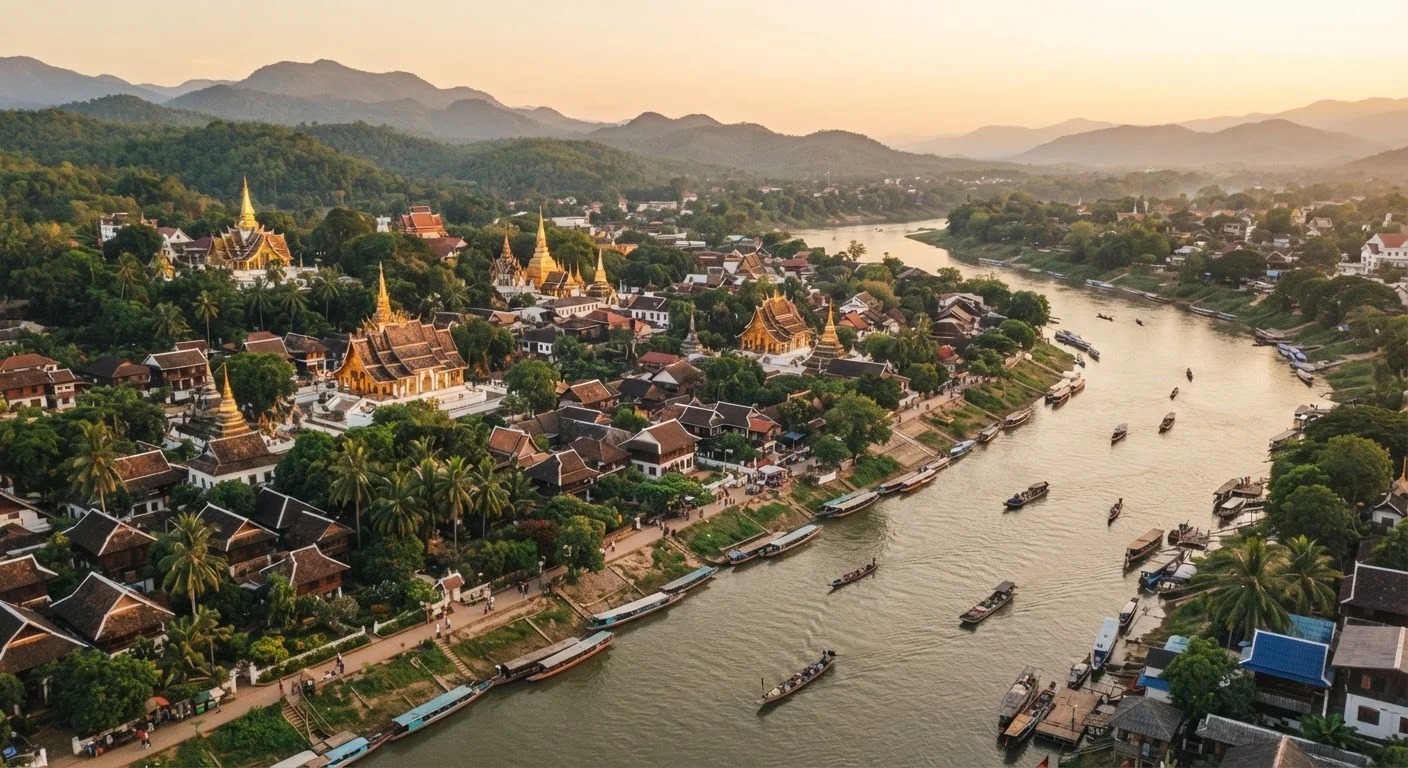
Photo: MyUrbanEscapes.net | Small Escapes. Big Experiences. editorial
—— In This Article
Key Takeaways
- Thailand's resort hubs like Chiang Mai and Hua Hin offer flatter terrain and more established English-language services.
- Vietnam's narrow geography means significant internal travel distances between key destinations like Hanoi, Hội An, and Hồ Chí Minh City.
- Both countries have international hospitals in major cities, but healthcare access in rural areas is more limited.
- Thailand's climate varies sharply by region; Vietnam's climate differs dramatically between north and south.
- Visa logistics for both destinations are manageable for U.S. seniors, but requirements can change — always verify before travel.
- Either destination rewards travelers who concentrate on one or two regions rather than attempting a full-country sweep.
Terrain and Walkability: A Practical Starting Point
For senior travelers, the ground underfoot matters as much as the sights overhead. Thailand offers more predictably flat terrain in its most-visited coastal and lowland destinations. Hua Hin, Pattaya, and much of Bangkok's tourist corridor are largely level, with the notable exception of Chiang Mai's surrounding highlands — beautiful, but better suited to day trips by vehicle than on foot.
Vietnam presents a more varied picture. Hanoi's Old Quarter involves narrow, often uneven sidewalks shared with motorbikes. Hội An's ancient town is charming and relatively compact, but flooding during rainy season can complicate movement. Hồ Chí Minh City's street-crossing dynamics are genuinely intimidating for first-time visitors. Travelers considering either country should read what senior-friendly really means in practical terms before finalizing plans, since terrain is just one of several meaningful criteria.
Climate Considerations by Region and Season
Neither destination has a single climate — both require regional thinking. Thailand divides roughly into three seasons: cool and dry (November–February), hot (March–May), and monsoon (June–October). For seniors, the cool-dry season is the clear preference, but it also coincides with peak crowds and elevated accommodation costs.
Vietnam's climate runs north to south: Hanoi experiences a genuine winter (temperatures can dip below 60°F), while Hồ Chí Minh City stays warm year-round. Central Vietnam — including Hội An — operates on its own weather calendar, with its heaviest rains falling October through December, offsetting the rest of the country's dry season. Seniors planning an itinerary that spans multiple regions in either country should factor climate variation carefully. Choosing the right trip length also affects how much climate flexibility you need to build in.
| Criterion | Thailand | Vietnam |
|---|---|---|
| Terrain in tourist hubs | Largely flat in coastal/lowland areas | Variable; uneven in old towns and cities |
| English-language accessibility | Widely spoken in tourist zones | Less consistent outside major hotels |
| Internal travel complexity | Manageable; hubs are compact | High if spanning north to south |
| Peak travel season | November–February (cool, dry) | Varies significantly by region |
| Private hospital quality (major cities) | Well-established, internationally accredited | Available; quality varies by provider |
| Airport accessibility | Bangkok: extensive mobility services | Functional; smaller-scale facilities |
| Relative daily cost | Moderate by U.S. standards | Slightly lower outside premium zones |
| Ideal trip structure | One or two regional bases | Best in one focused region |
Healthcare Access and Practical Infrastructure
Both countries have internationally accredited private hospitals in their major cities. Bangkok is home to several hospitals well-regarded for medical tourism, with English-speaking staff and streamlined billing processes. Hanoi and Hồ Chí Minh City have comparable private facilities, though the experience can vary more by specific provider.
Outside major urban centers, healthcare access thins considerably in both countries. Seniors managing chronic conditions should carry comprehensive documentation, a list of medications with generic names, and adequate travel health insurance. This is general guidance — consult your physician and a travel medicine specialist before any international trip.
On the infrastructure side, Thailand's Suvarnabhumi Airport in Bangkok is one of Asia's most navigable for travelers with mobility needs, with extensive wheelchair services. Vietnam's main international gateways — Nội Bài in Hanoi and Tân Sơn Nhất in Hồ Chí Minh City — are functional but smaller in scale. For a broader frame of reference on navigating Asia's accessible infrastructure, Japan's accessibility model offers a useful comparison point.
3,260 km
North-to-south length of Vietnam
Vietnam's elongated shape means traveling from Hanoi to Hồ Chí Minh City covers roughly the distance from New York to Miami — a key logistical factor for itinerary planning.
~40M
International visitors to Thailand annually (pre-pandemic baseline)
Thailand's Tourism Authority reported approximately 39–40 million international arrivals in 2019, reflecting one of Asia's most developed tourist ecosystems.
4–6 months
Optimal window for Thailand's cool-dry season
November through February offers the most comfortable conditions in most Thai regions, though it also represents peak demand for accommodation.
Cost, Pace, and Accommodation Choices
Day-to-day costs in both destinations are affordable by U.S. standards, though Vietnam tends to run marginally lower for meals and guesthouses outside premium tourist zones. Thailand's accommodation market at the mid-to-upper tier is more consistently quality-controlled, with international hotel brands present in most tourist corridors. For a realistic breakdown of what your budget covers across the region, see what your money actually covers in Southeast Asia.
Pace is equally important. Vietnam's elongated geography tempts travelers into ambitious multi-stop itineraries that can become exhausting — overnight trains and one-hour domestic flights accumulate fatigue. Thailand makes it easier to settle into one region and use it as a base. For seniors weighing accommodation formats during an extended stay, the tradeoffs between vacation rentals and hotels are worth reviewing before booking. Either way, concentrating on fewer destinations almost always produces a more satisfying trip.

Top Destinations Editorial Team
Top Destinations Editorial Team is the collective byline for our editorial team and contributor network. Articles published under this byline or an editorial pen name are researched, written, and reviewed according to our editorial standards for clarity, consistency, and independence before publication.
View author profile