
Japan on Your Own Terms: Navigating Accessibility, Pace, and Culture as a Senior Visitor
Japan's efficient transport, respectful culture, and accessible cities make it a rewarding destination for seniors willing to plan ahead.
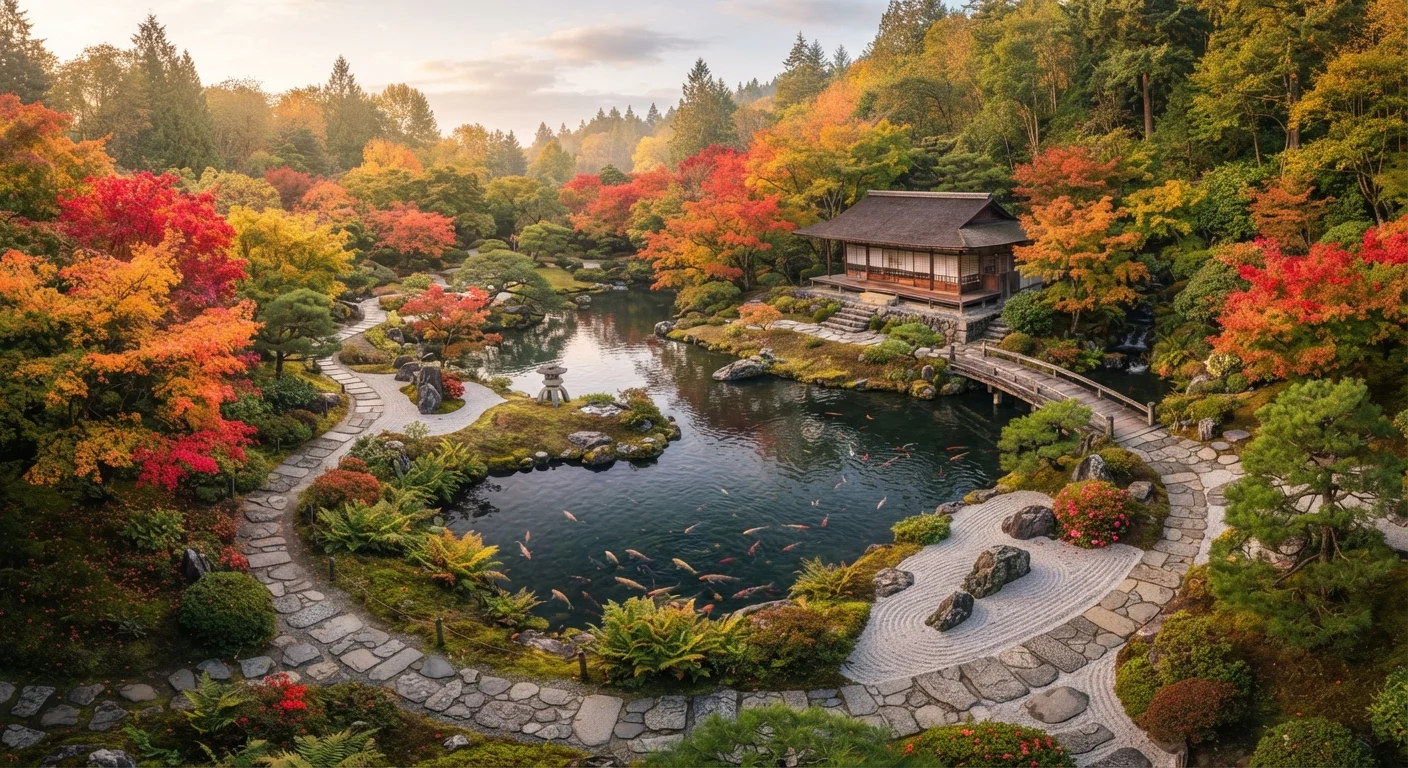
Photo: MyUrbanEscapes.net | Small Escapes. Big Experiences. editorial
—— In This Article
Key Takeaways
- Japan's rail network is one of the most accessible and punctual in the world, easing senior mobility significantly.
- Major cities like Kyoto, Osaka, and Tokyo have elevators, tactile paving, and step-free routes widely available.
- Japan's culture of respect and public orderliness makes it a low-stress environment for older international visitors.
- Choosing the right season and slowing your itinerary are the two most impactful planning decisions you can make.
- International hospitals with English-speaking staff exist in major Japanese cities, though travel insurance is essential.
- Pacing matters: a two-city focus often yields a richer, less exhausting experience than a full multi-city circuit.
Why Japan Works Well for Senior Travelers
Japan consistently surprises first-time senior visitors — not because it is easy in every respect, but because it is thoughtfully designed in ways that align with older travelers' needs. The country's public infrastructure prioritizes order, cleanliness, and predictability. Trains run on schedule to the minute. Streets are safe enough that getting lost rarely feels threatening. Staff at hotels, train stations, and tourist sites routinely go out of their way to assist visitors, even across a language barrier.
What makes Japan stand apart from many long-haul destinations is that its senior-friendliness is structural, not marketing language. That distinction matters — for a deeper look at what genuine accessibility criteria involve, see what senior-friendly actually means when researching international destinations.
99.9%
On-time rate for Shinkansen bullet trains
Japan's high-speed rail system is routinely cited as among the most punctual in the world, with average delays measured in seconds annually.
~3,000
Accessible stations across Japan's rail network
Japan's Ministry of Land, Infrastructure, Transport and Tourism has reported steady expansion of barrier-free station access as part of national accessibility mandates.
Top 5
Global safety rankings for Japan
The Global Peace Index has consistently ranked Japan among the world's five safest countries, a relevant factor for solo and senior travelers assessing risk.
Accessibility: What the Infrastructure Actually Looks Like
Japan made sweeping infrastructure investments ahead of the 2020 Tokyo Olympics, with a particular focus on accessibility. Most major train and subway stations in Tokyo, Osaka, and Kyoto now have elevators, barrier-free ticket gates, and tactile paving that guides visually impaired travelers. Step-free routes are often signposted directly at station entrances.
That said, older neighborhoods — particularly traditional machiya districts in Kyoto — involve uneven stone paths and steep temple staircases. Researching terrain at the neighborhood level, not just the city level, makes a meaningful difference. Many major temple complexes, including Fushimi Inari and Kinkaku-ji, have sections that are challenging on foot; however, gardens such as Kenroku-en in Kanazawa or Kokedera (Moss Temple) are comparatively gentle.
Book a hotel or ryokan near a major train station hub for your first night in each city — it reduces wayfinding stress when you've just arrived with luggage after a long travel day.
Orientation fatigue is real after international or domestic legs; proximity to transport removes one of the most common early-trip frustrations for senior visitors.
Request a ground-floor or elevator-accessible room explicitly when booking ryokan — don't assume it is available, as many traditional inns have limited accessible inventory.
Ryokan rooms on upper floors typically require climbing narrow wooden stairs, which can be challenging for travelers with knee or hip concerns.
Wheelchair users and those with mobility aids will find rental options available at many airports and large train stations. Some ryokan (traditional Japanese inns) offer accessible rooms, but these must be confirmed directly and well in advance, as accessible accommodation remains less standardized than in Western countries.
Choosing the Right Cities and Pace
A common itinerary mistake is attempting five or six cities in two weeks. Japan's rail connections make rapid movement possible, but that pace extracts a physical toll — repeated check-ins, luggage transfers, and orientation to new neighborhoods each day. Senior travelers typically report deeper satisfaction from a two- or three-city focus with longer stays.
Tokyo rewards base-camp style travel: staying in one neighborhood (Shinjuku, Asakusa, or Shibuya) and using the metro to explore. Kyoto is the natural counterpart — slower, culturally dense, and navigable by bus or taxi. Hiroshima adds historical weight and is manageable as a day trip from Kyoto or Osaka via the Shinkansen. Hakone, a mountain resort town near Mt. Fuji, offers hot spring baths, manageable terrain in the resort zones, and exceptional scenery.
Consider a Luggage Forwarding Service
Japan's takuhaibin (luggage forwarding) services allow you to ship bags from hotel to hotel overnight, often for a modest fee. This means you can travel between cities on the Shinkansen carrying only a daypack — a significant quality-of-life improvement for seniors who find heavy luggage physically taxing or stressful on escalators and platforms.
Spring (late March to mid-April) and autumn (mid-October to late November) offer the most comfortable temperatures and iconic scenery, but also peak crowds. Visiting slightly outside peak bloom or color dates — even by one week — reduces congestion considerably without sacrificing much beauty.
Health, Safety, and Medical Access
Japan has one of the most respected healthcare systems in the world, and major cities have hospitals equipped to treat international patients, some with English-language services. That said, accessing care as a foreign visitor involves navigating language differences and out-of-pocket payment — comprehensive travel insurance with medical evacuation coverage is strongly advisable before departure. Always consult your own physician before international travel, particularly if managing chronic conditions, and verify any medication requirements with official customs guidance before arrival.
For broader guidance on staying healthy throughout your trip, the Health & Safety hub covers pre-travel preparation, medication management, and what to do if you need care abroad.
Travel Insurance Is Non-Negotiable
Japan does not have reciprocal healthcare agreements with the United States, meaning all medical costs are out-of-pocket for American visitors. A single hospitalization can cost thousands of dollars. Purchase comprehensive travel insurance — including medical evacuation coverage — before your trip and carry documentation of your policy and emergency contact numbers at all times.
Japan's low crime rate and orderly public environment make it one of the safest countries for solo senior travelers. Streets are well-lit, public transport is reliable late into the evening, and tourist areas are patrolled. Practical safety awareness during active travel remains worthwhile — see Safety While Traveling for destination-agnostic guidance.
Navigating Culture Without Stress
Japan's cultural norms tend to benefit senior visitors rather than complicate travel. Quieter conduct in public spaces, orderly queuing, and deep respect for older adults are embedded in social expectation. Many Japanese people will proactively offer assistance — carrying luggage up stairs, walking a confused visitor to the correct platform — without being asked.
A few practical cultural considerations reduce friction: removing shoes before entering traditional spaces (ryokan rooms, some restaurants) requires some physical flexibility, so confirming table-seating restaurants rather than tatami floor seating is worth doing when booking. Cashless payment is increasingly accepted in cities, but carrying some yen remains practical for smaller establishments and rural areas. Google Translate's camera function, which can read Japanese menus and signs in real time, has become an indispensable tool for independent travelers.
“Japan has an extraordinary culture of anticipating others' needs in public space — it is built into how the country functions. For older travelers, that ambient consideration is not a small thing.”
— Donald Richie, Longtime cultural observer and author on Japanese society
Planning Your Trip: Independent vs. Guided
Japan is one of the few long-haul destinations where independent travel is genuinely manageable for seniors — largely because of the rail system's reliability and the prevalence of visual signage in English at major stations. However, the learning curve for navigating IC transit cards, booking Shinkansen reserved seats, and planning temple routes is real. Many experienced Japan travelers recommend a hybrid approach: arrange your flights, major hotels, and rail passes independently, and book guided half-day or full-day tours for specific sites where local context adds real value.
For a thorough comparison of organized group travel versus self-planned itineraries — including cost, flexibility, and social dimensions — see Group Tour vs. Independent Travel for Seniors. If you're also considering Southeast Asian alternatives, Thailand vs. Vietnam offers a useful comparison of two destinations with different accessibility profiles.
Japan Tourism Agency Accessibility Guide
The Japan Tourism Agency publishes official guidance on accessible travel infrastructure, including barrier-free transport routes and accommodation listings for travelers with mobility needs.
JNTO (Japan National Tourism Organization) Official Site
The official tourism portal for Japan provides city-level travel planning resources, seasonal calendars, and practical tips specifically oriented toward international visitors.
Hyperdia or Google Maps for Rail Routing
Both tools provide step-by-step Japanese rail routing with platform numbers and transfer times — essential for navigating complex city subway networks and planning Shinkansen connections.
This article provides general travel information only. Consult a qualified healthcare provider before traveling if you have medical concerns, and verify all entry requirements, visa conditions, and health recommendations with official government sources prior to departure.

Top Destinations Editorial Team
Top Destinations Editorial Team is the collective byline for our editorial team and contributor network. Articles published under this byline or an editorial pen name are researched, written, and reviewed according to our editorial standards for clarity, consistency, and independence before publication.
View author profile