
What 'Senior-Friendly' Actually Means When Researching International Destinations
The term gets used loosely. Learn the practical criteria—accessibility, healthcare proximity, terrain, and pace—that genuinely matter to older travelers.
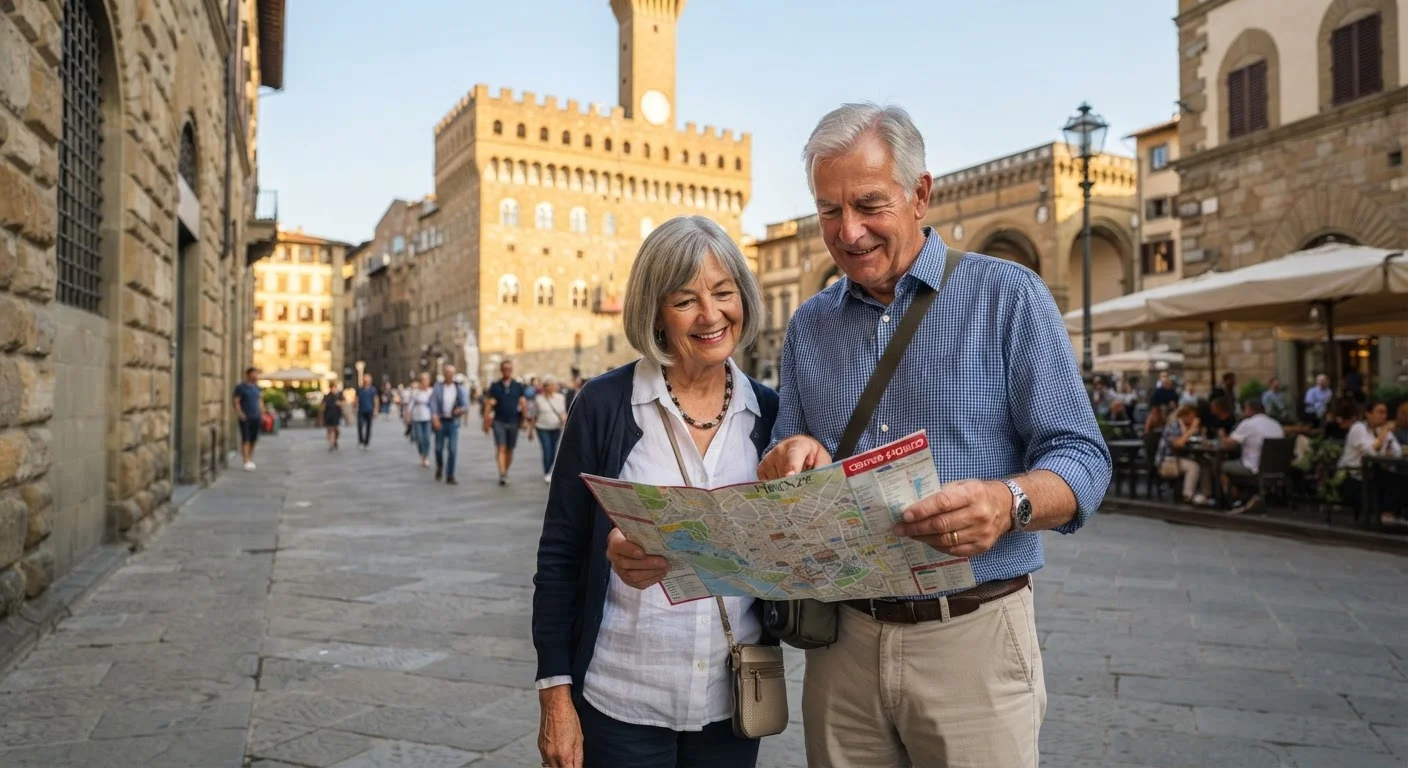
Photo: MyUrbanEscapes.net | Small Escapes. Big Experiences. editorial
—— In This Article
Key Takeaways
- Terrain is the single most overlooked factor — cobblestone streets and steep hills negate other accessibility gains.
- Healthcare proximity matters: knowing where the nearest accredited hospital sits should inform destination choice.
- Pace and crowd density affect comfort as much as physical accessibility does.
- Language infrastructure — English signage, multilingual staff — reduces daily friction significantly.
- A 'senior-friendly' label in marketing copy should always be verified against specific, observable criteria.
Why the Term Gets Misused
Travel marketing uses "senior-friendly" liberally — it appears on hotel booking sites, tour operator brochures, and destination tourism boards without any consistent definition behind it. In practice, it often means little more than "we welcome older guests" or "we offer a discount for travelers over 65."
That ambiguity costs real travelers real energy. Arriving in a city marketed as accessible only to find narrow medieval laneways, no step-free metro access, and the nearest international hospital two hours away is a familiar disappointment. Many assumptions that discourage senior international travel are baseless — but so are some of the reassurances. Useful research requires replacing the vague label with a concrete checklist.
The Five Criteria That Actually Matter
Terrain and walkability sit at the top for good reason. A destination's daily experience is shaped fundamentally by the ground underfoot. Flat, paved, wide sidewalks allow independent exploration; cobblestones, steep inclines, and unmarked curbs restrict it. When evaluating a city, look for specific neighborhood-level terrain data, not just a general description of the city as "walkable."
Healthcare proximity and quality means knowing, before you book, where the nearest accredited facility sits and how long it takes to reach from your planned accommodation. This is general travel preparation, not catastrophizing. Formal accessibility frameworks and ratings can also help narrow this assessment.
Transportation infrastructure includes step-free metro access, reliable taxis or rideshare availability, and the density of transit options relative to major attractions. A city where you can move around without relying solely on walking or driving is significantly more manageable.
Pace and crowd density are underweighted in most travel advice. A destination that draws massive tourist volumes in peak season imposes physical demands — wait times, crowding, noise — that accumulate across a trip. Destinations with a naturally slower cultural tempo, or with meaningful shoulder seasons, consistently score better for traveler comfort.
Language and communication infrastructure encompasses English-language signage, availability of multilingual staff in hotels and medical settings, and the practical ease of navigating daily transactions. Strategies for managing language barriers abroad can reduce friction significantly, but destination-level infrastructure matters too.
117+
Countries with JCI-accredited hospitals
The Joint Commission International accredits hospitals across more than 117 countries, providing a verifiable benchmark for healthcare quality when researching international destinations.
60%+
Of international tourists aged 55 or older
According to the UNWTO, travelers aged 55 and older account for a growing majority share of international leisure travel spending, reflecting significant demand for genuinely accessible destinations.
1 in 3
Senior travelers cite health concerns as top barrier
Survey data from AARP Travel indicates roughly one in three older Americans cite health-related concerns — including healthcare access abroad — as a primary factor when deciding whether to travel internationally.
Applying the Framework to Real Destinations
Portugal's Alentejo region, for example, scores well on terrain (largely flat, low-density towns), pace (unhurried, uncrowded), and healthcare (Évora has a well-regarded regional hospital). It scores more modestly on English-language infrastructure in rural areas. That composite picture is far more useful than a generic "senior-friendly" tag.
Japan presents a different profile: exceptional transit infrastructure and medical standards, manageable terrain in cities like Kyoto's central districts, but significant language barriers outside tourist zones and a pace that varies sharply by neighborhood. Climate preferences also shape destination choice in ways that interact with these five factors.
The same framework applies to affordable coastal destinations worldwide — a beach town with flat access paths, a nearby clinic, and good bus connections can rank higher on practical senior-friendliness than an expensive resort city with steep hillside access and crowded promenades.
Use Street-Level Imagery Before You Book
Mapping tools with street-view functionality allow you to walk a destination's key routes virtually before committing. Spend 15 minutes checking the specific blocks between your planned accommodation and the nearest transit stop or main attraction. Terrain realities that don't appear in destination photography become immediately visible at street level.
What This Means for Your Research Process
Before committing to a destination, map your specific criteria rather than relying on traveler review language. Search for the specific neighborhood you plan to stay in — not just the city — and look at street-level imagery to gauge terrain. Check your government's travel advisory pages and your insurer's documentation for healthcare information. Review transit maps for step-free route options.
The same analytical approach applies to domestic US destinations — the criteria are consistent whether you're evaluating Barcelona or Boca Raton. International travel adds layers of logistical complexity, but it does not fundamentally change what makes a destination genuinely navigable for an older traveler.
The goal is replacing a label with a picture: specific streets, specific hospitals, specific transit lines, specific cultural pace. That picture is what allows confident, well-founded travel decisions.
Verify Entry and Health Requirements Officially
Visa rules, vaccination requirements, and travel advisories change and vary by nationality. Always consult your government's official travel advisory portal and the destination country's embassy or consulate for current entry requirements before finalizing plans. Do not rely on third-party travel sites for this information.
Frequently Asked Questions

Top Destinations Editorial Team
Top Destinations Editorial Team is the collective byline for our editorial team and contributor network. Articles published under this byline or an editorial pen name are researched, written, and reviewed according to our editorial standards for clarity, consistency, and independence before publication.
View author profile