
Southeast Asia for Senior Travellers: What Your Money Actually Covers
From daily meals to accommodation and transport, here's a realistic guide to everyday costs seniors can expect across popular Southeast Asian destinations.
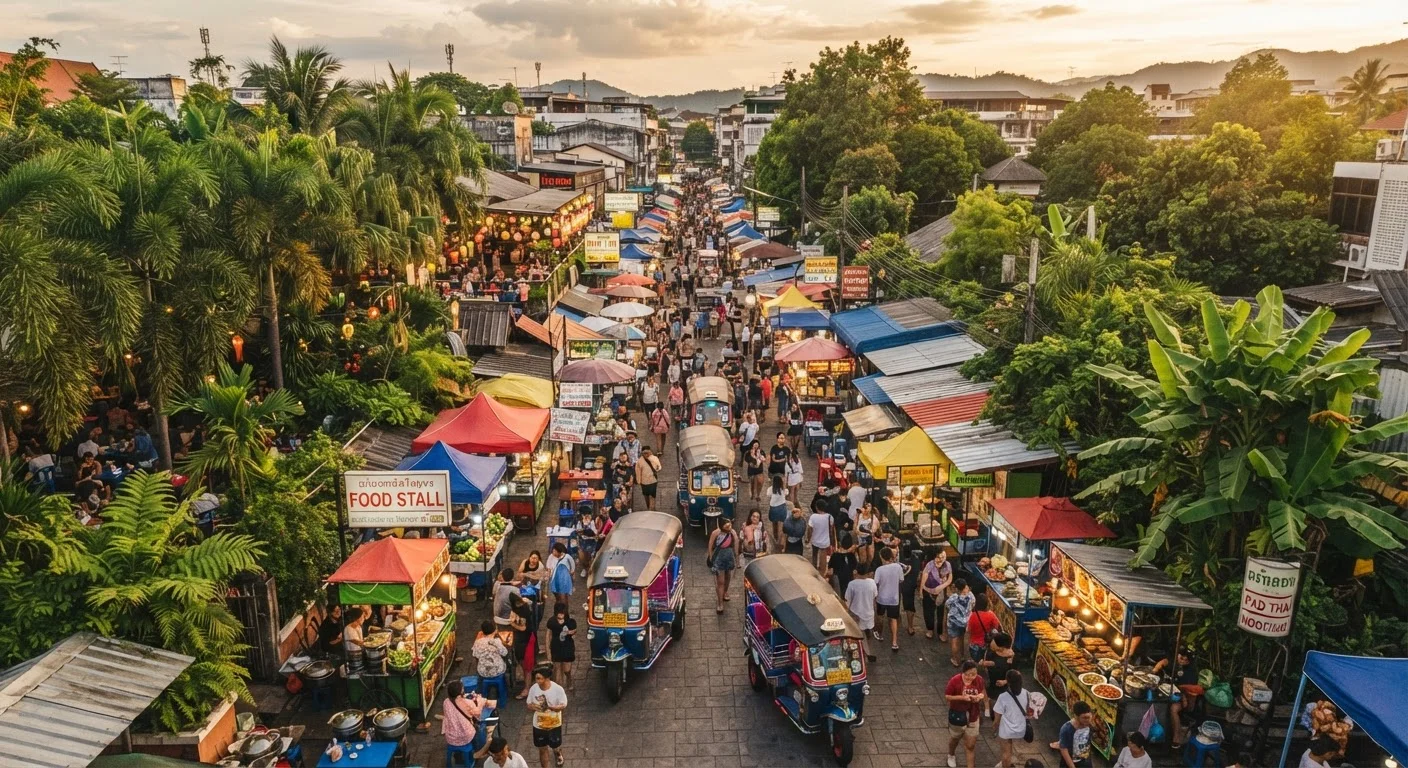
Photo: MyUrbanEscapes.net | Small Escapes. Big Experiences. editorial
—— In This Article
What a Day of Travel Actually Costs in Southeast Asia
For senior travelers trying to gauge whether Southeast Asia fits their budget, the short answer is: it very likely does. Daily expenses across most of the region run significantly lower than comparable trips in Western Europe or North America — but costs vary meaningfully by country, city, and comfort preference.
| Mid-range daily budget (Thailand) | ~$50–$80 USD/day (Includes hotel, meals, and local transport) |
| Mid-range daily budget (Vietnam) | ~$45–$75 USD/day (Includes hotel, meals, and local transport) |
| Mid-range daily budget (Malaysia) | ~$55–$90 USD/day (Includes hotel, meals, and local transport) |
| Mid-range daily budget (Cambodia) | ~$40–$70 USD/day (Includes hotel, meals, and local transport) |
| Street meal cost range | $2–$8 USD (Varies by country and venue type) |
| Typical visa fee range | $0–$50 USD (Verify with official government sources before travel) |
To get a realistic picture, it helps to think in three tiers. A budget tier covers guesthouses, local transport, and street food. A mid-range tier — the most practical choice for many seniors — adds air-conditioned hotels, sit-down restaurants, and the occasional private car hire. A comfort tier adds international-standard hotels and guided services. This article focuses on the mid-range tier, which tends to offer the best balance of value and accessibility.
For a broader framework on how to categorize your travel spending, see this cost breakdown guide for seniors.
Country-by-Country Cost Snapshot
The following reflects general mid-range spending patterns. Prices are approximate in U.S. dollars and should be verified before travel, as costs shift with exchange rates and seasons.
Thailand
Thailand is often the starting point for first-time visitors to the region. In Chiang Mai or smaller beach towns, a comfortable guesthouse or budget hotel typically runs $25–$50 per night. A sit-down meal at a local restaurant costs $3–$8. Local transportation — songthaews (shared pickup trucks) or metered taxis — is affordable, though ride-hailing apps like Grab have made pricing more predictable in cities. Air-conditioned buses between cities are reliable and inexpensive.
For a head-to-head look at accessibility and infrastructure, our Thailand vs. Vietnam comparison covers terrain, pace, and practical considerations for older travelers.
Vietnam
Vietnam stretches across a long, varied geography. Mid-range hotel rooms in Hanoi or Hoi An generally run $30–$60 per night. Meals at sit-down restaurants range from $4–$12. Train travel between cities — particularly the Reunification Express — is scenic, affordable, and covers long distances comfortably with sleeper options.
Malaysia
Kuala Lumpur and Penang offer strong value with excellent English-language signage and infrastructure. Mid-range hotels run $35–$70 per night. Meals vary widely: hawker centers offer full meals for under $5, while sit-down restaurants charge $8–$15. The metro system in Kuala Lumpur is one of the most senior-friendly in the region.
Cambodia
Siem Reap, the gateway to Angkor Wat, tends to be tourist-priced but still affordable by Western standards. Expect to pay $30–$55 for a comfortable guesthouse. Tuk-tuks remain the primary local transport and cost very little per trip when negotiated in advance.
Mid-range tier
A travel spending level that covers air-conditioned accommodation, sit-down restaurant meals, and reliable private or semi-private transport. It sits between budget backpacker travel and luxury travel.
Grab
A ride-hailing app widely used across Southeast Asia, similar to Uber. It allows travelers to book and pay for taxis or private cars with upfront pricing via a smartphone.
Tuk-tuk
A small, motorized three-wheeled vehicle used as a taxi in many Southeast Asian countries, including Thailand and Cambodia. Fares are typically negotiated in advance.
Medical evacuation coverage
A component of travel insurance that covers the cost of emergency transport to a qualified medical facility, which can be extremely expensive without insurance when traveling internationally.
E-visa
An electronic travel authorization applied for online before departure, replacing or supplementing traditional visa-on-arrival processes. Requirements and fees vary by nationality and destination.
Key Costs Seniors Should Plan For
Beyond the basics of food and lodging, several costs deserve specific attention for senior travelers:
- Travel insurance: Essential and non-negotiable. Premiums rise with age and pre-existing conditions, so budget this before anything else. Policies should include medical evacuation coverage. Consult an insurance professional for guidance on the right policy for your health profile.
- Visa fees: Many countries offer visa-on-arrival or e-visa options for U.S. citizens, with fees typically ranging from $0 to $50. Rules change — always verify entry requirements through official government sources before departure.
- Air conditioning: In tropical climates, opting for air-conditioned rooms, buses, and trains is a comfort priority rather than a luxury. Budget accordingly — it adds roughly $10–$20 per night versus fan-only rooms.
- Medical access: Private hospitals in Bangkok, Kuala Lumpur, and Hanoi are generally well-regarded. Carry a list of your medications by generic name, as brand names differ internationally. Always consult your physician before traveling abroad.
If this is your first international trip on a fixed income, this full planning walkthrough steps through how to structure your budget before you book anything.
40–60%
Potential daily cost savings vs. Western Europe
General travel cost comparisons suggest mid-range Southeast Asia travel can cost roughly 40–60% less per day than comparable Western European itineraries.
$0–$50
Visa fee range for most SE Asian destinations
Most popular Southeast Asian countries offer visa-on-arrival or e-visa options for U.S. citizens; exact fees and eligibility must be confirmed with official government sources.
This article provides general travel cost information for educational purposes only. Prices, entry requirements, and health conditions change — verify all details with official sources and consult a qualified healthcare professional regarding your personal medical needs before traveling internationally.

Travel On A Budget Editorial Team
Travel on a Budget Editorial Team is the collective byline for our editorial team and contributor network. Articles published under this byline or an editorial pen name are researched, written, and reviewed according to our editorial standards for clarity, consistency, and independence before publication.
View author profile