
Fire Safety and Emergency Exits: What Senior Renters Should Verify
Smoke detectors, exit routes, and emergency contacts matter more in an unfamiliar space. Here's what to check when you arrive at any rental property.
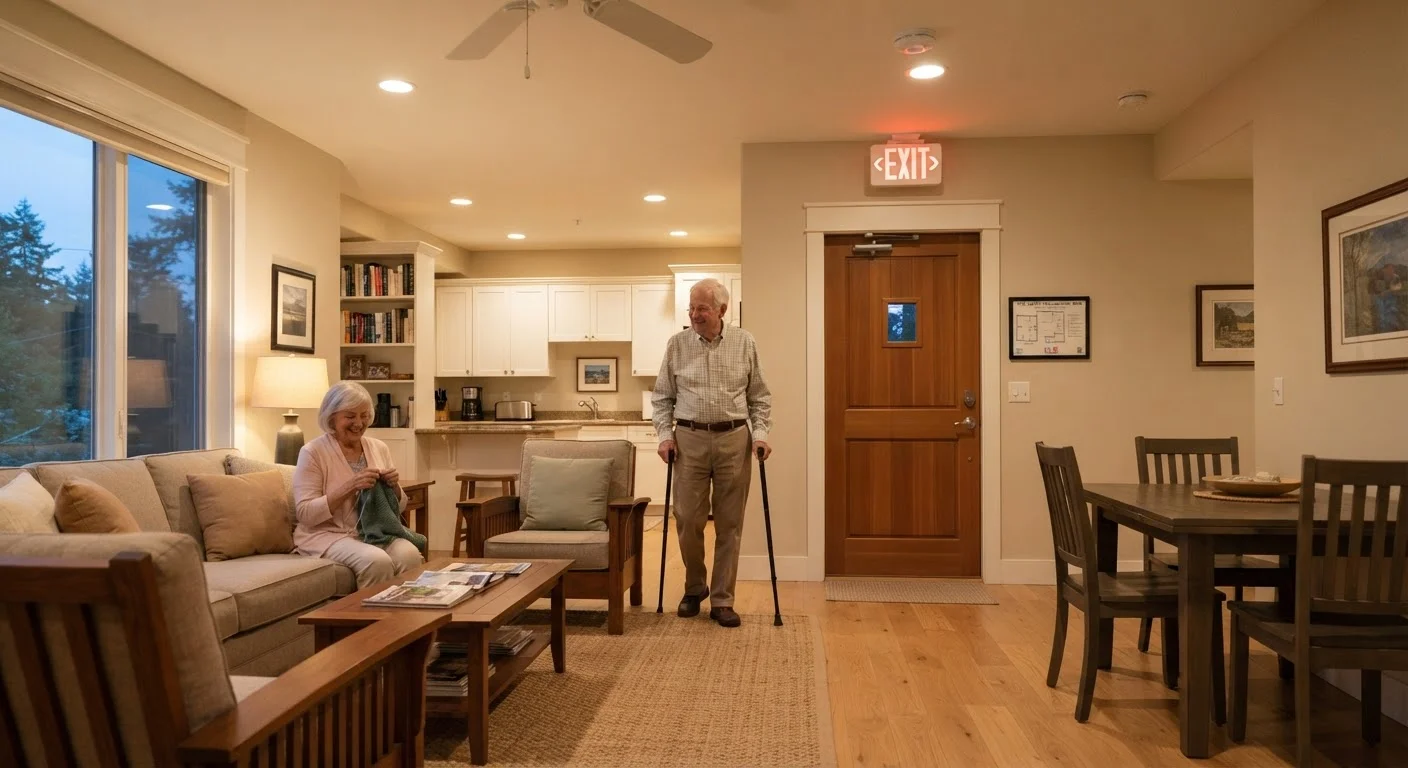
Photo: MyUrbanEscapes.net | Small Escapes. Big Experiences. editorial
—— In This Article
Key Takeaways
- Test every smoke and carbon monoxide detector on your first day in any rental property.
- Walk every exit route before you need it, especially at night when visibility is limited.
- Save local emergency numbers and your rental address in your phone immediately upon arrival.
- Notify the host of any non-functioning safety equipment right away and document it in writing.
- Physical mobility considerations should directly shape which exit routes you prioritize planning.
Why Fire Safety Demands Your Attention in Every Rental
A vacation rental is someone else's space, configured by someone else's habits. Smoke detectors may have dead batteries, exit routes may be blocked by furniture, and emergency information may be missing entirely. Unlike a hotel with staff on call, most short-term rentals leave guests to manage the first critical minutes of any emergency on their own.
For senior travelers, unfamiliar layouts compound this risk. Disorientation in a dark or smoke-filled space is a documented hazard in residential fires. Taking 20 to 40 minutes on arrival to verify safety features is one of the highest-impact habits any renter can adopt. The complete rental safety walkthrough covers the broader arrival process; this checklist focuses specifically on fire and emergency preparedness.
Do Not Assume the Listing Reflects Reality
A rental listing may state that smoke detectors and fire extinguishers are present, but hosts are not always current with maintenance. Detectors with dead batteries and extinguishers with depleted pressure are common finds. Verify each item yourself on the day you arrive — do not rely on the listing description or prior guest reviews as a substitute for a hands-on check.
Tools You'll Want On Hand
You don't need specialized equipment to complete this checklist, but a few items make the process faster and more reliable.
Fully charged smartphone
Used to save the property address, host contacts, and local emergency numbers immediately on arrival.
Small flashlight or headlamp
Allows you to safely walk exit routes in low-light conditions and check detector indicators in dim areas.
Notepad and pen
Record the property address, detector locations, and any deficiencies to report to the host in writing.
Portable phone charger (power bank)
Keeps your phone available during an emergency even if the rental's power fails.
The Fire Safety and Emergency Exits Checklist
Work through the groups below in order — detection equipment first, then exits, then communication. Each item builds on the last. For additional context on what to verify when settling into any rental, see our guide on staying safe in an unfamiliar rental.
Smoke and Carbon Monoxide Detection
Fire Extinguisher and Suppression Equipment
Exit Routes and Pathways
Emergency Contacts and Property Information
Report Safety Deficiencies Before You Sleep
If you discover a non-functional smoke detector, a missing fire extinguisher, or a locked or obstructed exit, contact your host in writing before your first night in the property. Keep a copy of your message. If the host is unresponsive and the deficiency poses an immediate risk, contact the rental platform's customer support line. Your safety takes priority over avoiding awkward conversations.
Mobility Considerations When Planning Your Exits
Standard fire safety advice assumes every occupant can move quickly and navigate stairs under stress. That assumption does not apply to many senior travelers. If you use a cane, walker, or wheelchair — or if stairways cause you pain or fatigue — your exit planning needs to account for that reality before an emergency occurs.
When you walk exit routes on arrival, time yourself at a comfortable pace. If the primary exit involves stairs and that feels unsafe, identify the secondary exit and confirm it is ground-level or otherwise accessible. Discuss any concerns with the host before assuming alternatives exist. Properties marketed as accessible should be checked against the accessibility features that matter most for older travelers to verify what is actually present versus what was listed.
If you travel with a companion or caregiver, assign clear roles: who carries medications, who has the phone, who leads and who follows. A brief conversation before bed each night is enough.
This article provides general safety information for educational purposes. It is not a substitute for guidance from local fire authorities, building inspectors, or emergency management professionals. Always contact emergency services in the event of a fire or life-threatening situation.

Vacation Rentals Editorial Team
Vacation Rentals Editorial Team is the collective byline for our editorial team and contributor network. Articles published under this byline or an editorial pen name are researched, written, and reviewed according to our editorial standards for clarity, consistency, and independence before publication.
View author profile