
Evaluating a Rental for Safety: A Complete Walkthrough
A start-to-finish guide for older travelers on assessing a vacation rental's safety and accessibility—from researching listings to arriving at the property.
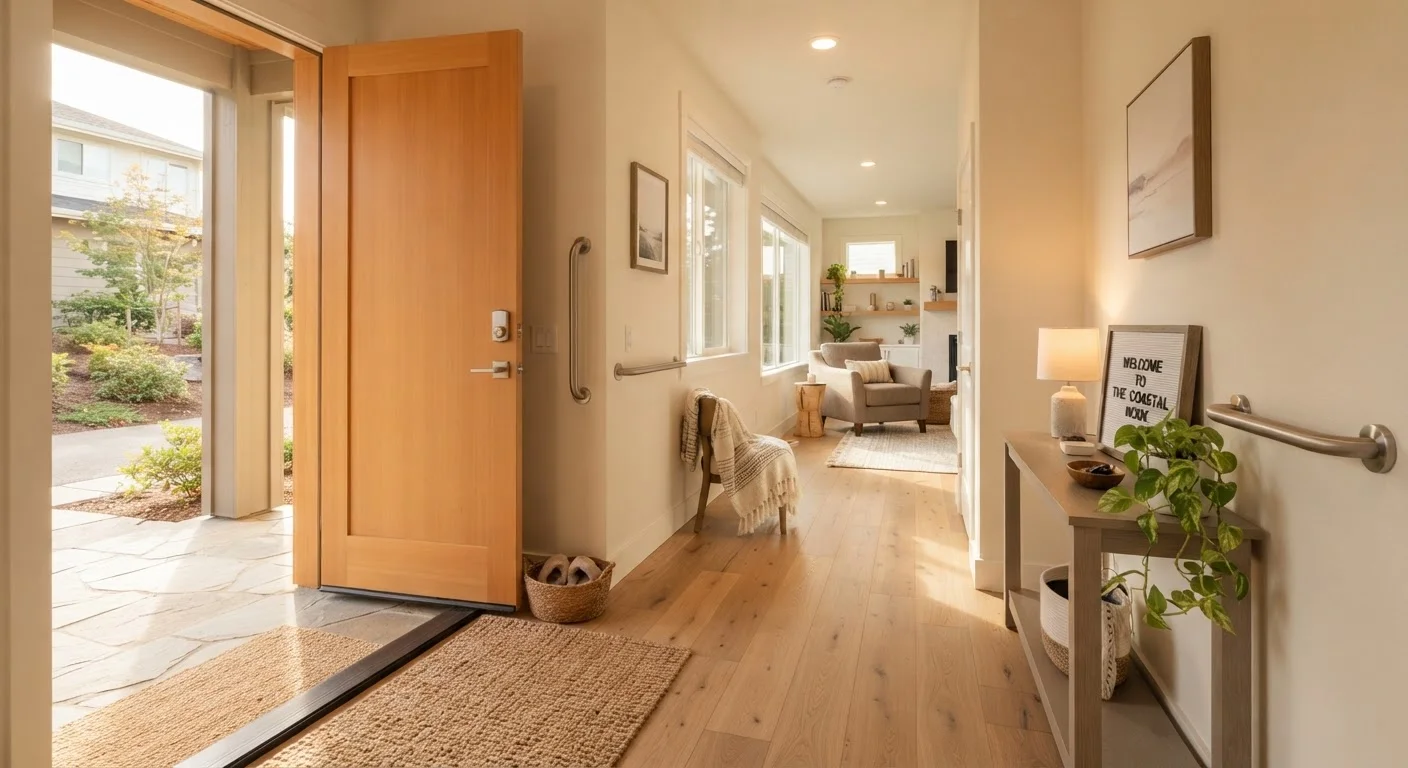
Photo: MyUrbanEscapes.net | Small Escapes. Big Experiences. editorial
—— In This Article
Key Takeaways
- Start your safety assessment during the listing research phase, not upon arrival.
- Asking the host direct, specific questions before booking reduces unpleasant surprises.
- Conduct a structured walk-through within the first hour of arriving at any rental.
- Certain safety deficiencies—like missing smoke detectors—justify contacting the platform.
- Combining online research with in-person checks gives the most complete picture of a rental's safety.
Why Safety Evaluation Matters Before You Book
Vacation rental listings vary widely in how much safety and accessibility detail they include. Without a deliberate evaluation process, older travelers risk arriving at a property that doesn't meet their needs—or poses genuine hazards. A proactive approach saves time, money, and stress.
This guide walks you through the entire process: from interpreting an online listing to completing an in-person inspection on the day you arrive. Each stage builds on the last, so that by check-in, you have already answered most of your key questions.
For a broader look at finding the right rental from the start, see the Senior Traveller's End-to-End Guide to Locating and Securing Accessible Rentals.
Build Your Checklist Before You Start Searching
Write down your personal must-haves—such as a walk-in shower or single-floor layout—before opening any listing. Having a defined list prevents you from being distracted by attractive photos and missing critical safety details.
Researching Listings: What to Look for Online
The listing page is your first screening tool. When reviewing photos and descriptions, look for these indicators:
- Step-free access: Photos showing flat thresholds, ramps, or ground-floor entry points.
- Bathroom safety features: Walk-in showers, grab bars, or shower seats are often visible in bathroom photos.
- Wide doorways and hallways: Essential for anyone using a mobility aid; listings sometimes state door widths in centimeters or inches.
- Stair count and location: Note whether bedrooms and bathrooms require stair climbing.
- Lighting: Look for well-lit interiors and exterior lighting near entries and pathways.
Read recent guest reviews carefully. Former guests often mention loose railings, uneven flooring, or poor lighting that don't appear in the host's description. Filter for reviewers who mention mobility, age, or accessibility-related concerns—their observations are especially relevant.
36%
Adults 65+ who report a fall each year
According to the U.S. Centers for Disease Control and Prevention, about one in three adults aged 65 and older falls each year, making trip hazards in unfamiliar spaces a genuine concern.
80%+
Falls occurring in or near the home
Research from the National Institute on Aging indicates that the majority of falls among older adults happen in domestic environments, underlining why rental home safety inspection matters.
Our Accessibility Features Checklist provides a printable reference for every feature worth confirming before you book.
Questions to Ask the Host Before Confirming
Listings rarely answer every safety question. Messaging the host directly—before paying—is the most reliable way to fill the gaps. Keep questions specific so hosts can give precise, useful answers.
Suggested questions to send:
- Are there any steps between the parking area and the front door? If so, how many?
- Does the bathroom have a grab bar near the toilet and in the shower or tub area?
- Are smoke detectors and carbon monoxide detectors present and recently tested?
- Is a first aid kit available on the property?
- What is the nearest hospital or urgent care clinic, and how far is it?
- Is the neighborhood generally walkable and well-lit at night?
A host who answers these questions promptly and with specifics is likely attentive to the property's condition. Vague or dismissive responses are themselves a signal worth factoring into your decision.
Ask the host to send a short video walkthrough of the entrance and bathroom before you book. Most responsive hosts will comply, and the footage often reveals details that photos miss.
Listing photos are typically taken at favorable angles and may not show steps, narrow doorways, or the absence of grab bars. Video provides a more honest spatial view.
When messaging a host, phrase your safety questions as confirmations rather than requests—for example, 'Can you confirm the bathroom has a grab bar?' rather than 'Does it have one?' This wording makes it harder to receive a vague answer.
Confirmation-style phrasing prompts hosts to verify the detail rather than assume, reducing the chance of a miscommunication that leads to an unpleasant surprise at check-in.
For a full walkthrough of the booking process, including how to communicate with hosts effectively, visit our Vacation Rental Booking from Start to Finish.
Arriving at the Property: Your First Walk-Through
Plan to spend 15–20 minutes on a structured inspection as soon as you arrive—before unpacking. Move methodically through the property using the categories below.
Entry and pathways
Check that all exterior paths, steps, and thresholds match what was described. Note whether outdoor lighting is functional. Look for loose pavers, uneven surfaces, or wet areas near the entrance.
Bathroom
Test that grab bars are firmly anchored—give each a firm tug. Confirm the shower or tub floor has a non-slip mat or textured surface. Check water temperature responsiveness to avoid scalding.
Bedroom
Ensure the bed height allows you to sit and stand comfortably. Verify that bedside lighting is within easy reach. Note where the nearest exit is in relation to where you'll sleep.
Safety devices
Locate smoke detectors, carbon monoxide detectors, and any fire extinguisher. Press the test buttons to confirm batteries are active. Identify all exit doors and how to open them from the inside.
General hazards
Scan for loose rugs without non-slip backing, furniture that partially blocks walkways, or exposed cords that could cause a trip. If you find any, reposition what you can and flag the rest to the host.
For detailed guidance on what to do once you're settled in, see Staying Safe in an Unfamiliar Rental.
Test Safety Devices Immediately on Arrival
Non-functional smoke or carbon monoxide detectors are a serious hazard, not a minor inconvenience. Test every detector within the first 30 minutes of arrival. If any fail to respond, notify the host immediately and—if the issue is not resolved promptly—contact the booking platform and consider local emergency services guidelines for your situation.
Red Flags That Warrant a Complaint or Cancellation
Some issues discovered at check-in are serious enough to report to the booking platform—or, in rare cases, to request a refund and alternative accommodation. Consider escalating if you find:
- No functioning smoke or carbon monoxide detectors.
- Conditions that differ materially from the listing description (e.g., stairs not disclosed, no grab bars promised in the listing).
- Structural hazards such as broken railings, unstable furniture, or blocked emergency exits.
- Evidence of mold, water damage, or pest infestation.
Document everything with photographs and timestamps before contacting the host or platform. Most major platforms have a defined window—often 24 hours after check-in—during which guests can raise material discrepancy claims. Know your platform's policy before you travel.
If you are new to searching for accessible rentals and want to build a stronger foundation before your next trip, our Complete Starting Point for Finding Vacation Rentals covers platforms, filters, and the right questions to ask from the very beginning.
Cancellation Policies Vary Widely
Refund eligibility for safety-related issues depends on the platform's terms and the host's cancellation policy. Read both before booking, and keep records of all pre-booking communications with the host. This documentation strengthens any claim you need to file.
This article provides general travel planning information. It is not a substitute for professional safety, medical, or legal advice. Conditions at individual properties vary; verify all details directly with the host and the booking platform before confirming a reservation.

Vacation Rentals Editorial Team
Vacation Rentals Editorial Team is the collective byline for our editorial team and contributor network. Articles published under this byline or an editorial pen name are researched, written, and reviewed according to our editorial standards for clarity, consistency, and independence before publication.
View author profile