
The Senior Traveller's End-to-End Guide to Locating and Securing Accessible Rentals
From initial search to confirmed booking, this comprehensive guide walks seniors through every stage of finding a vacation rental that truly fits.
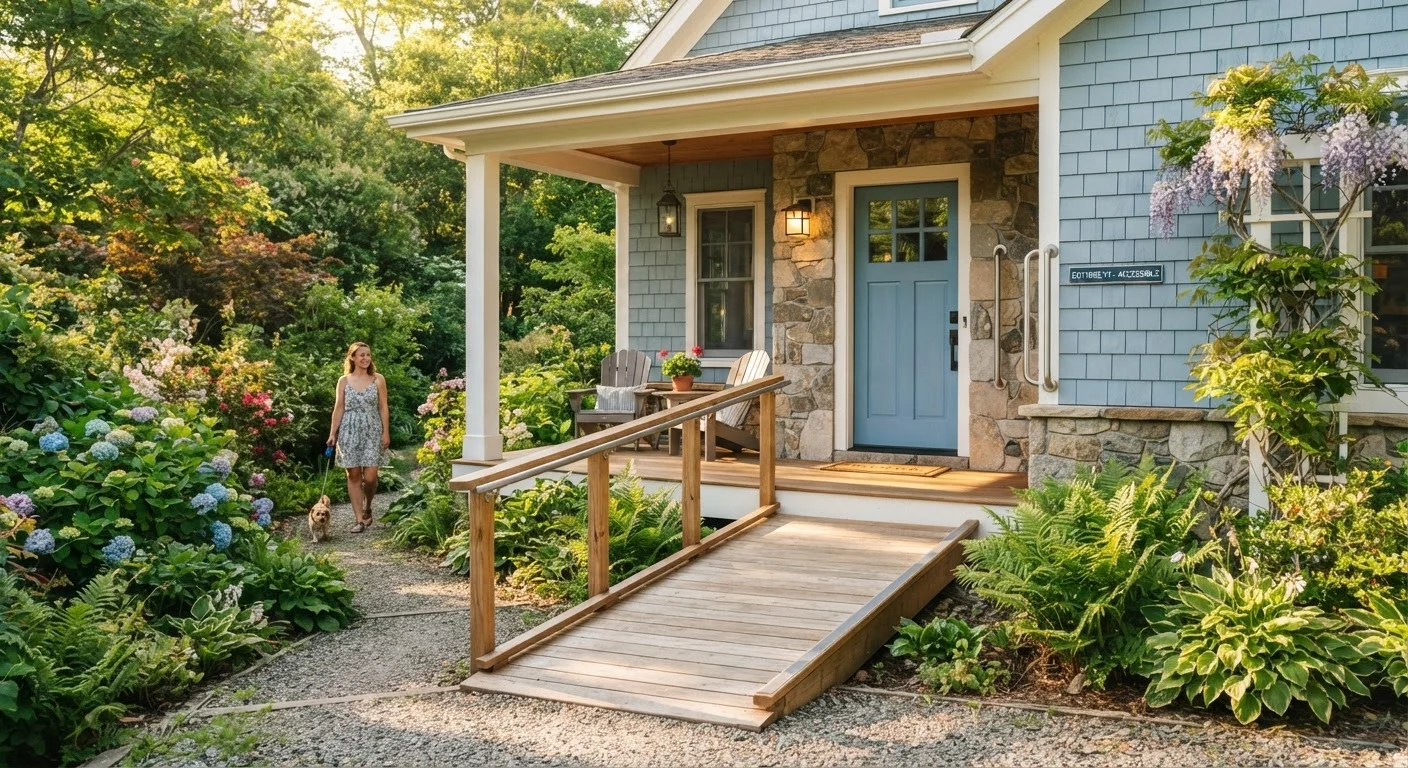
Photo: MyUrbanEscapes.net | Small Escapes. Big Experiences. editorial
—— In This Article
Key Takeaways
- Defining your specific accessibility needs before searching saves significant time and reduces booking errors.
- Platform filters are a starting point — always verify claims directly with the host or property manager.
- A written pre-booking checklist protects you if a rental does not match its described features on arrival.
- Confirming cancellation and refund policies in writing is essential before paying any deposit.
- Arriving with a safety walkthrough plan helps seniors settle in without unexpected hazards.
Why Accessibility Planning Starts Before You Search
Most accessibility missteps happen not during a search, but before it — when travelers open a booking platform without a clear picture of what they actually need. For senior travelers, this gap between browsing and booking can mean arriving at a property that looked fine in photos but proves genuinely difficult to navigate.
Starting with a plan rather than a search changes the dynamic entirely. It turns a vague browse into a targeted evaluation, and it gives you something concrete to verify with a host. If you are new to thinking about this process, the introduction to rental accessibility for new senior travelers provides a plain-language foundation worth reviewing first.
53M+
Americans aged 65 and older
According to the U.S. Census Bureau, the 65-and-older population exceeded 53 million, representing a growing segment of active travelers with varied accessibility needs.
1 in 4
U.S. adults living with a disability
The CDC estimates that approximately 1 in 4 U.S. adults has some form of disability, many of which affect mobility and physical navigation of living spaces.
Defining Your Accessibility Requirements
Accessibility is not a single checkbox — it is a spectrum of features that matter differently to each traveler. Start by writing down the non-negotiables: features without which a rental simply will not work for your situation. Then note your strong preferences and things that would be merely convenient.
- Mobility: Step-free entry, single-floor layout, wider doorways (typically 32 inches or more), and adequate turning radius in bathrooms.
- Bathroom safety: Grab bars near the toilet and in the shower, a walk-in or roll-in shower, or a tub with a transfer bench.
- Sleeping arrangements: Bed height that allows easy in and out, proximity to a bathroom, and firm mattress support if needed.
- Parking and approach: Level or ramped access from a parking area to the front door.
- Neighborhood terrain: Flat walking surfaces nearby if you plan to be active on foot.
Writing these down before opening any platform means every listing gets measured against the same consistent standard. It also prepares you to ask hosts precise questions rather than relying on general terms like "accessible," which can mean very different things to different hosts.
Frame your needs as a numbered list when messaging a host. Asking "Can you confirm items 1 through 5?" gets faster, more complete replies than open-ended questions.
Hosts manage multiple inquiries; a structured list makes it easy for them to confirm or flag each point individually, reducing back-and-forth and ambiguity.
Request a short video walkthrough of the entry and bathroom if static photos leave any doubt. Many hosts are willing to provide one — and those who decline tell you something useful.
Video removes the angle-flattering limitations of professional listing photos and shows real-world space, transitions, and obstacles that still images routinely obscure.
Using Platforms and Filters Effectively
Most major vacation rental platforms include accessibility filters, but their reliability varies. Hosts self-report features, so a filter result is a starting point, not a guarantee. Use filters to narrow a large field of results, then apply your own verification process to each shortlisted property.
Search terms matter. Phrases such as "step-free," "single story," "walk-in shower," and "ground floor" in the listing description tend to be more specific than the word "accessible" alone. For a deeper walkthrough of how to use search tools to your advantage, see the guide on searching for senior-friendly rentals without getting lost in the listings.
Review photos critically. Look for stairs in entryway shots, narrow bathroom layouts, and raised bathtubs. If photos do not show the entry path, bathroom floor plan, or bedroom access, treat that as a gap to close with the host — not evidence the features are present.
Prioritize Listings With Detailed Photo Sets
Listings that include photos of the front entry, bathroom, bedroom, and any interior level changes demonstrate that a host is transparent about the property's layout. If a listing's photos show only scenic views and living spaces, contact the host for the specific shots you need before spending time evaluating further.
Vetting a Listing Before You Commit
Once you have a shortlist, vetting each property thoroughly before booking is the most important stage of the process. A structured checklist is the clearest tool for this. The accessibility features checklist every senior should use before booking provides a ready-made framework you can take into each evaluation.
Contact the host directly with specific questions. Ask for measurements where relevant — doorway widths, shower dimensions, and bed heights are all things a good host should be able to confirm. Request additional photos of the entry, bathroom, and any interior stairs if the listing photos do not show them clearly.
Read recent reviews with accessibility in mind. Look for comments from guests who mention mobility, older age, or physical limitations — their experiences are the most predictive of yours. Absence of complaints is not the same as confirmation that features are present.
"Accessible" Is Not a Regulated Term in Rentals
Unlike hotels, private vacation rentals are not required to meet standardized accessibility definitions under most circumstances. A host may label a property accessible based on their own judgment, which may differ significantly from your needs. Never rely on the label alone — always verify individual features directly.
Securing and Confirming the Booking
When you are ready to book, do so through the platform's official payment system rather than any off-platform arrangement a host may suggest. This preserves your access to the platform's dispute and refund processes if something goes wrong.
Before paying, read the cancellation policy carefully. Policies vary from fully flexible to non-refundable, and circumstances — including health changes — can force last-minute cancellations for seniors. If a property has a strict policy, weigh that risk honestly against the cost. The general guidance on vacation rental booking from start to finish covers this and other booking-stage decisions in detail.
After booking, send the host a brief message summarizing the accessibility features you understood to be in place, and ask them to confirm. This creates a written record and gives the host an opportunity to flag anything that may have changed.
Consider Travel Insurance for Flexible Coverage
If a rental's cancellation policy is restrictive, travel insurance with a "cancel for any reason" option may provide a financial safety net for unexpected health or travel changes. Policies vary widely in what they cover and exclude, so review the terms carefully. This is general information — consult a licensed insurance professional for guidance suited to your situation.
Arriving and Settling In Safely
Arrival is when expectations meet reality. Plan to do a brief walkthrough of the property before unpacking, specifically checking the features that matter most to you: entry path, bathroom layout, bedroom setup, and any lighting that affects nighttime movement.
If something does not match what was confirmed in the listing or your pre-booking message, document it with photos and contact the host immediately. Most platforms give guests a short window — often 24 hours — to report issues that qualify for a remedy or refund. Acting quickly matters.
Keep emergency and important information accessible from day one: the property's address, the host's contact number, and any local healthcare resources. The senior travel health and safety hub offers broader guidance on staying prepared and comfortable throughout a trip.
With the right preparation at every stage — from defining needs, through verification, to arrival — a vacation rental can offer the space, independence, and comfort that hotels often cannot. The process rewards thoroughness, and once you have done it once, it becomes considerably easier on every trip that follows.

Vacation Rentals Editorial Team
Vacation Rentals Editorial Team is the collective byline for our editorial team and contributor network. Articles published under this byline or an editorial pen name are researched, written, and reviewed according to our editorial standards for clarity, consistency, and independence before publication.
View author profile