
A Pre-Departure Packing List Tailored to Vacation Rental Living
Rentals aren't hotels — some essentials won't be provided. This checklist covers what seniors should pack to feel at home.
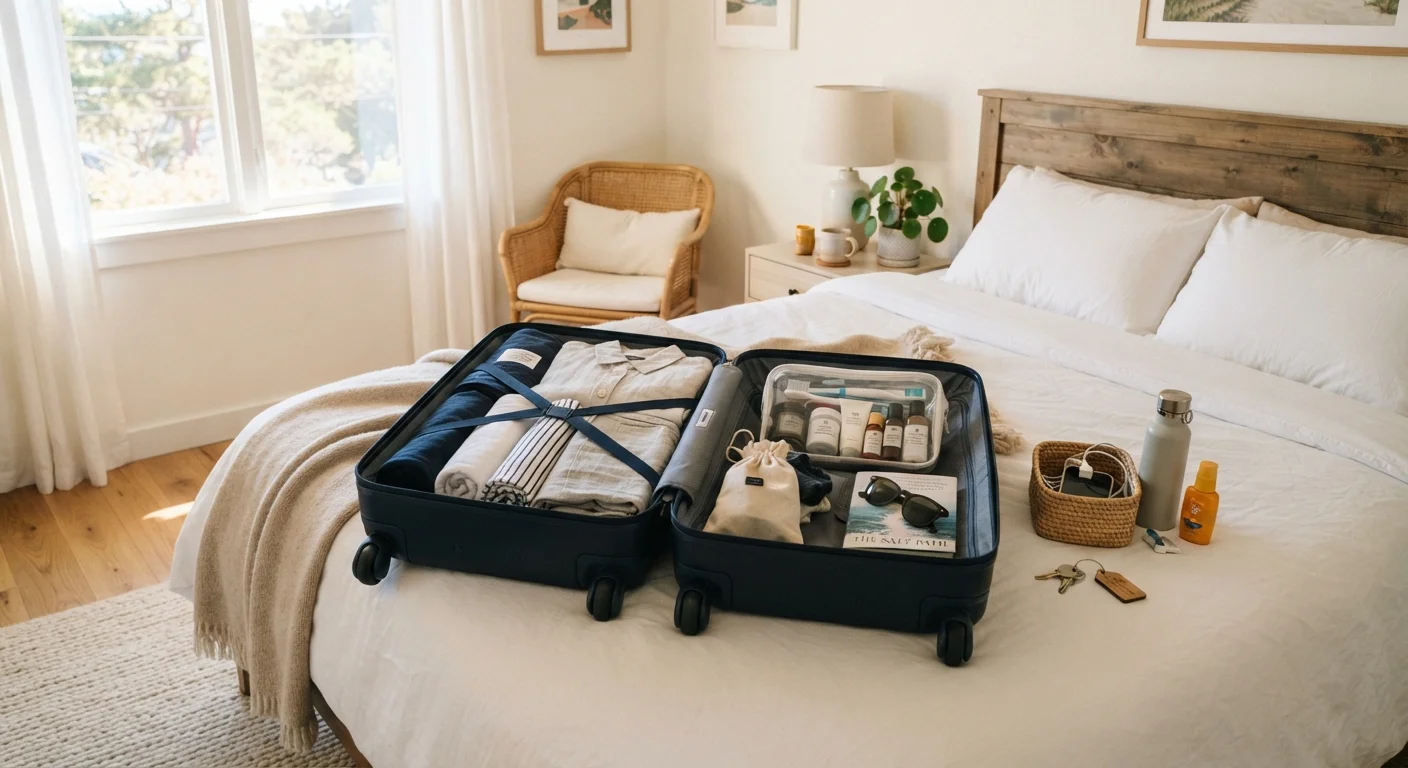
Photo: MyUrbanEscapes.net | Small Escapes. Big Experiences. editorial
—— In This Article
Key Takeaways
- Vacation rentals rarely match hotel supply standards — gaps in basics are common.
- Seniors benefit most from packing comfort, accessibility, and kitchen essentials not always provided.
- Confirming what the rental includes before departure prevents redundant packing.
- Small additions like a rubber bath mat or a night light can significantly improve safety.
- A well-organized packing list reduces arrival stress and helps you settle in faster.
Why Packing for a Rental Is Different
Staying in a vacation rental is fundamentally different from checking into a hotel. There is no front desk to call for extra pillows, no housekeeping stocked with toiletries, and no guarantee that every kitchen drawer holds what you expect. Rental properties vary widely — a well-equipped beach cottage may include everything down to a corkscrew, while a budget city apartment might offer little beyond the bed frame.
For senior travelers, these gaps matter more than they might for younger guests. Inadequate lighting, a slippery shower without a mat, or a missing pill organizer can quickly turn a relaxing stay into a frustrating one. The good news is that a focused packing list — built around rental-specific needs rather than hotel assumptions — makes the difference between settling in smoothly and spending your first afternoon hunting for a nearby pharmacy.
Before building your list, contact the host or review the rental's listing in detail. Many platforms allow hosts to specify exactly what is supplied. Knowing what is already there prevents overpacking and keeps luggage manageable. Our end-to-end guide to locating accessible rentals walks through questions worth asking before you confirm a booking.
Rental listing or host communication
Confirm which supplies are already in the property before building your packing list.
Printed packing checklist
Work through each category methodically and check off items as you pack them.
Luggage scale
Verify your bag stays within airline weight limits when packing additional rental-specific items.
Portable first aid kit
Handle minor health issues at the rental without needing to locate a pharmacy immediately on arrival.
Your Rental-Ready Packing Checklist
The checklist below is organized by category so you can work through it section by section. Mark off what your rental already provides before you start packing — every item you can remove keeps your bag lighter. For a broader pre-trip review covering documents and medications, see the pre-departure checklist every senior traveler should run through.
Safety & Accessibility Aids
Medications & Health Supplies
Kitchen Essentials Often Missing
Comfort & Sleep Items
Documents & Practical Information
Connectivity & Tech
Don't Assume — Always Verify With the Host
Even well-reviewed rentals can have inconsistent supplies between stays. Towels, toiletries, cooking oil, and paper products are commonly listed as provided but may be scarce or absent on arrival. Send a quick message to the host before departure to confirm key items — particularly anything that affects safety or your daily health routine. Getting clarity in writing also gives you a point of reference if something is missing when you arrive.
Once you arrive and unpack, a few intentional setup steps — placing familiar items within reach, arranging your medications in a visible spot, and doing a quick walkthrough for tripping hazards — go a long way. Our article on making a rental feel like home for a week or more offers practical routines for settling in comfortably from day one.
Never Pack Medications in Checked Luggage
All prescription and over-the-counter medications you depend on daily should travel with you in your carry-on bag or personal item — never in checked luggage. Bags can be delayed, misdirected, or temporarily inaccessible. Keeping medications on your person ensures they are always within reach and eliminates the risk of disruption to critical health routines. Consult your doctor or pharmacist if you have questions about traveling with specific medications or medical devices.

Vacation Rentals Editorial Team
Vacation Rentals Editorial Team is the collective byline for our editorial team and contributor network. Articles published under this byline or an editorial pen name are researched, written, and reviewed according to our editorial standards for clarity, consistency, and independence before publication.
View author profile