
Making a Rental Feel Like Home for a Week or More
Small routines and smart setup choices help seniors settle in, reduce disorientation, and genuinely enjoy a longer rental stay.
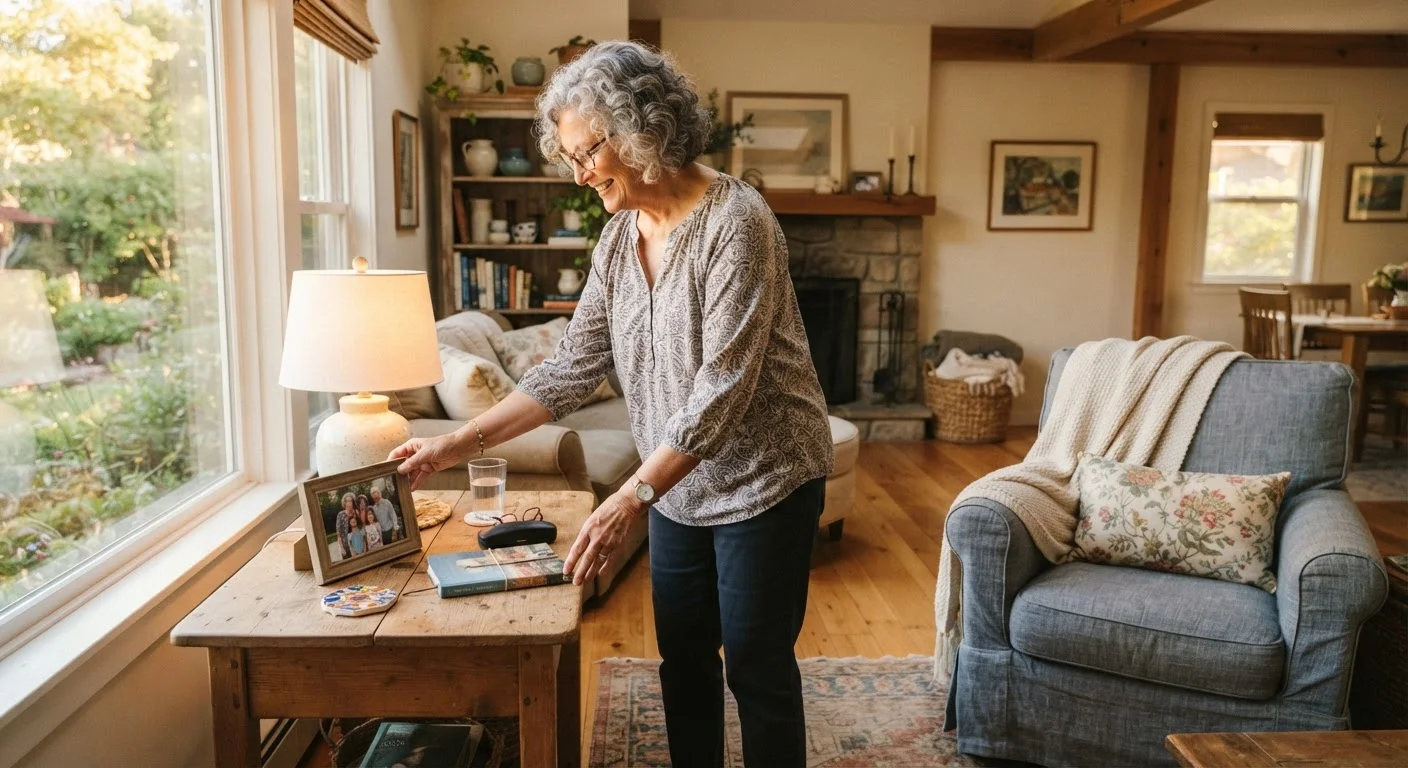
Photo: MyUrbanEscapes.net | Small Escapes. Big Experiences. editorial
—— In This Article
Key Takeaways
- Establishing a simple daily routine quickly reduces disorientation in an unfamiliar rental space.
- Personalizing your immediate environment with familiar items from home eases the adjustment period.
- Locating nearby essentials — pharmacy, grocery, urgent care — on day one supports a confident, comfortable stay.
- Good lighting, an organized kitchen, and a consistent sleep area are the highest-impact comfort upgrades.
- Longer stays reward seniors who invest a little setup time in the first day or two.
Why Settling In Takes Intentional Effort
A vacation rental offers far more living space and flexibility than a hotel room, but that freedom comes with a small trade-off: nothing is arranged the way you would arrange it. Cabinets are in unexpected places, lighting switches are unfamiliar, and the bed may be in a room that feels drafty or too bright. For a one-night stay, these quirks are easy to ignore. For a week or longer, they quietly chip away at comfort.
Seniors who travel for extended periods often find that a little intentional setup work in the first few hours pays dividends every day after. If you want a solid arrival routine to build from, see our step-by-step first-hour guide before you begin unpacking. Once those basics are covered, the practices below help you go further — turning a functional space into one that genuinely feels like yours.
Practices That Make a Rental Feel Like Home
The following approaches are drawn from the experiences of frequent senior travelers and rental-stay specialists. Not every practice will suit every traveler, but most can be adapted to almost any property.
Unpack fully on day one, even for a one-week stay.
Living out of a suitcase keeps your brain in "temporary" mode, which increases low-level stress and makes sleep harder. Fully unpacking signals to your nervous system that this is your place for now, not a pit stop.
Bring two or three personal items that carry sensory familiarity.
Familiar objects — a favorite mug, a small framed photo, your own pillow — engage the senses in ways that trigger comfort and reduce the cognitive load of adaptation. They don't need to be significant; they need to be yours.
Reorganize the kitchen to match how you actually cook.
Rental kitchens are stocked for generic use and often arranged inefficiently. Spending ten minutes moving frequently used items — the coffee maker, a cutting board, a single sharp knife — to where you naturally reach for them reduces daily friction significantly.
Establish a consistent daily rhythm anchored to two or three fixed activities.
Routine is one of the most powerful tools for reducing disorientation in new environments. Even a loose schedule — morning coffee at the same spot, an afternoon walk, reading before bed — gives the days a familiar shape that counters the unsettling effect of unfamiliar surroundings.
Address sleep-environment problems on the first night, not the third.
Poor sleep accumulates quickly. If the bedroom is too bright, too noisy, or the pillow doesn't suit you, small fixes applied immediately prevent a deteriorating pattern. Rentals often have extra linens or towels that can block light under a door.
Check in with yourself — and a contact at home — at the same time each day.
A brief daily check-in with a family member or trusted friend is both a safety measure and a comfort anchor. Knowing someone at home expects your message at 7 p.m. adds structure and keeps relationships close during an extended absence.
Quick Actions You Can Take Today
Whether you're mid-stay or still planning, these actions can be acted on immediately to raise your comfort level without extra cost or effort.
Pack With Your Rental Routine in Mind
Planning what personal items to bring is easier with a structured checklist. Our packing list tailored to vacation rental living covers the essentials rentals often don't provide — from a preferred pillow to a simple first-aid kit. A few minutes reviewing it before you pack can save days of discomfort.
Building Confidence in an Unfamiliar Neighborhood
Feeling at home inside the rental is only half the equation. Confidence in the surrounding area matters just as much, especially for longer stays. On your first full day, take a short walk or drive to locate the nearest pharmacy, grocery store, and a medical urgent-care clinic. Note the address of the property clearly in your phone or on a card in your wallet — this is a simple habit that prevents real difficulty if you ever need assistance away from home.
Understanding your surroundings also feeds a sense of belonging. Identify a nearby coffee shop, park, or market you could visit regularly. Familiarity with even one or two neighborhood spots creates a rhythm that makes the rental feel less temporary. For more on why this kind of slower-paced, rooted approach suits many older adults, read about why longer rental stays work well for seniors.
Safety awareness is part of neighborhood confidence too. Practical safety steps for unfamiliar rentals include checking smoke alarms, securing entry points, and saving local emergency numbers — all small actions with an outsized impact on peace of mind.
Finding the Right Rental From the Start
How easily you settle into a rental depends partly on how well it was matched to your needs before booking. If you found the search process overwhelming, our guide to searching for senior-friendly rentals without getting lost in the listings walks through filters, keywords, and host communication strategies that help you find genuinely suitable properties in the first place.

Vacation Rentals Editorial Team
Vacation Rentals Editorial Team is the collective byline for our editorial team and contributor network. Articles published under this byline or an editorial pen name are researched, written, and reviewed according to our editorial standards for clarity, consistency, and independence before publication.
View author profile