
Mexico vs. Spain: Which Suits Senior Travellers on a Tighter Budget?
Mexico and Spain both offer rich culture and warm weather, but their costs and accessibility differ considerably. Here's what seniors need to know.
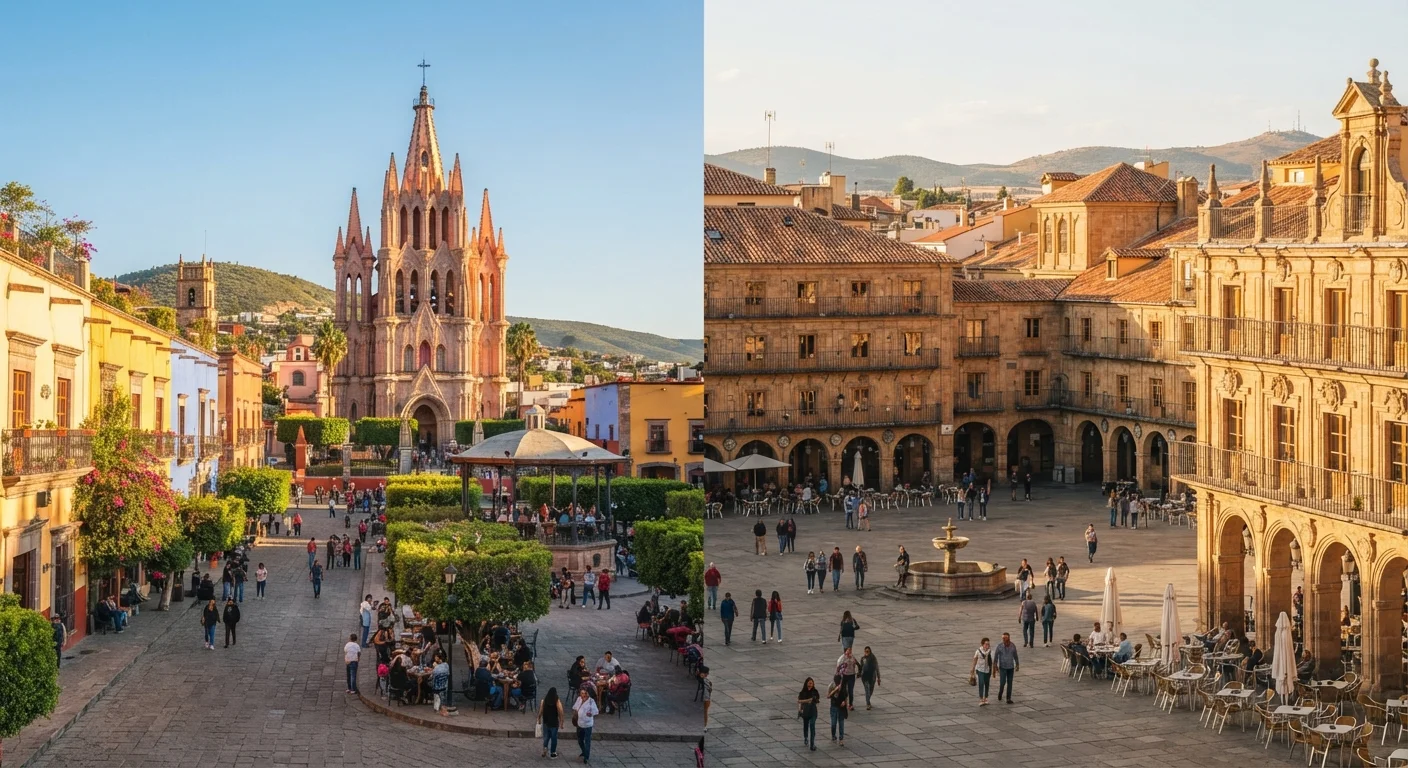
Photo: MyUrbanEscapes.net | Small Escapes. Big Experiences. editorial
—— In This Article
Key Takeaways
- Mexico generally costs less per day than Spain, particularly for accommodation and dining.
- Spain offers more consistent accessibility infrastructure in its cities, with flat metro systems and lifts.
- Flight costs from the US to Mexico are typically lower and shorter than transatlantic routes to Spain.
- Both destinations have significant senior tourism infrastructure, but their healthcare systems differ.
- Spain's smaller secondary cities can offer better value than Madrid or Barcelona for budget-conscious seniors.
- Extended stays in either destination can reduce per-day costs substantially compared to short trips.
The Core Cost Difference
When comparing Mexico and Spain purely on day-to-day expenses, Mexico holds a clear advantage for most senior travelers on a fixed income. A sit-down meal at a mid-range restaurant in Mexico City or Oaxaca will typically run $10–$15 USD per person, while comparable dining in Madrid or Barcelona generally costs $20–$30. Accommodation follows a similar pattern: comfortable hotels and vacation rentals in Mexico run noticeably cheaper than equivalent properties in Spanish cities.
That said, Spain's secondary cities — Salamanca, Seville, San Sebastián — close the gap considerably. Our guide to Spain's smaller cities explains why many seniors find these destinations both more affordable and more manageable than the major hubs. For lodging strategies that work in either country, extended-stay and vacation rental options can make a meaningful difference to your overall budget.
| Criterion | Mexico | Spain |
|---|---|---|
| Average daily budget (mid-range) | ~$60–$90 USD | ~$100–$150 USD |
| Flight time from US East Coast | 3–5 hours | 9–11 hours |
| Urban accessibility infrastructure | Variable; uneven in old towns | Generally strong in major cities |
| Language barrier for English speakers | Moderate; tourist areas manageable | Moderate; tourist areas manageable |
| Visa-free stay (US passport) | Up to 180 days (tourist card) | Up to 90 days (Schengen) |
| Public transportation quality | Good in major cities; limited elsewhere | Excellent rail and bus network |
| Climate in peak season | Hot and humid in many regions | Warm; cooler in northern cities |
| Healthcare access for tourists | Good in cities; variable in rural areas | Well-developed in most cities |
Getting There: Flights and Logistics
Flight costs from the continental US to Mexico are generally lower than transatlantic routes to Spain, and the shorter journey — typically two to five hours versus nine to eleven hours — matters considerably for seniors managing fatigue, circulation concerns, or mobility limitations. Direct routes from major US hubs to destinations like Mexico City, Cancún, and Puerto Vallarta are plentiful and competitive throughout the year.
Flights to Spain involve a full overnight journey and a time-zone shift of six to nine hours, which can extend the recovery period at the start of your trip. That said, once you're there, Spain's domestic rail and bus network makes it easy to move between cities without booking additional flights. If you're weighing whether a longer international trip makes financial sense relative to a shorter one, our comparison of short trips vs. extended vacations can help frame that decision.
3–5 hrs
Typical US-to-Mexico flight duration
Most major US hubs offer direct routes to Mexico City, Cancún, or Guadalajara, reducing travel fatigue compared to transatlantic options.
90 days
Visa-free stay in Spain (Schengen Area)
US passport holders can stay up to 90 days within any 180-day period across Schengen member countries without a visa.
180 days
Tourist card allowance in Mexico
Mexico's Forma Migratoria Múltiple (FMM) tourist card typically allows stays of up to 180 days, though the exact duration granted is at the discretion of immigration officials on arrival.
Accessibility, Safety, and Practical Comfort
Spain has made substantial investment in urban accessibility, particularly in its metro systems and historic pedestrian zones. Cities like Seville have extensively pedestrianized their old towns, making sightseeing on foot manageable even for travelers with limited mobility. Mexico's accessibility infrastructure is more uneven: major resort areas and newer tourist developments are generally well-equipped, but older colonial city centers often have cobblestone streets and steep terrain that require careful planning.
On healthcare, both countries have hospitals capable of handling emergencies, but travelers should secure comprehensive travel health insurance before departing regardless of destination. Spain's private hospitals in tourist areas are generally well regarded. In Mexico, private hospitals in cities like Guadalajara and Mexico City are known for competent care, though quality can vary significantly in rural areas. Always verify coverage details with your insurer and check current entry and travel requirements with official government sources before booking.
For seniors considering a longer stay in either country, the trade-offs of long-stay budget travel covers the practical and financial considerations worth working through in advance.
Check Entry Requirements Before You Book
Entry rules, visa allowances, and health documentation requirements for both Mexico and Spain can change without notice. Always verify current requirements through the US Department of State's travel website and the official consulate or embassy of your destination country before purchasing flights or accommodation. Travel insurance terms — including medical evacuation and pre-existing condition coverage — should also be reviewed carefully before departure.
Which Destination Makes More Sense for You?
Neither Mexico nor Spain is universally the right choice — it depends on your priorities. If keeping daily costs low and minimizing travel time are your main concerns, Mexico offers clear advantages. If you value European culture, flat walkable cities, and a cooler summer climate, Spain's secondary cities can deliver strong value, especially on an extended stay.
Seniors interested in stretching their budget further in either destination should also explore the senior discounts and budgeting strategies available on many transport and cultural attraction passes. General travel planning resources, including how to structure an affordable itinerary, are covered in our budget trip planning hub. If Latin America appeals but you want alternatives to Mexico, Central America's senior travel options are worth reviewing as well.
This article provides general travel information for educational purposes. Prices, visa rules, healthcare availability, and safety conditions change — always verify current details with official government sources and your travel insurance provider before making bookings.

Travel On A Budget Editorial Team
Travel on a Budget Editorial Team is the collective byline for our editorial team and contributor network. Articles published under this byline or an editorial pen name are researched, written, and reviewed according to our editorial standards for clarity, consistency, and independence before publication.
View author profile