
Central America on a Senior's Budget: Costa Rica, Panama, and Guatemala Compared
A practical look at how Costa Rica, Panama, and Guatemala stack up for senior travellers weighing comfort, cost, and accessibility in Central America.
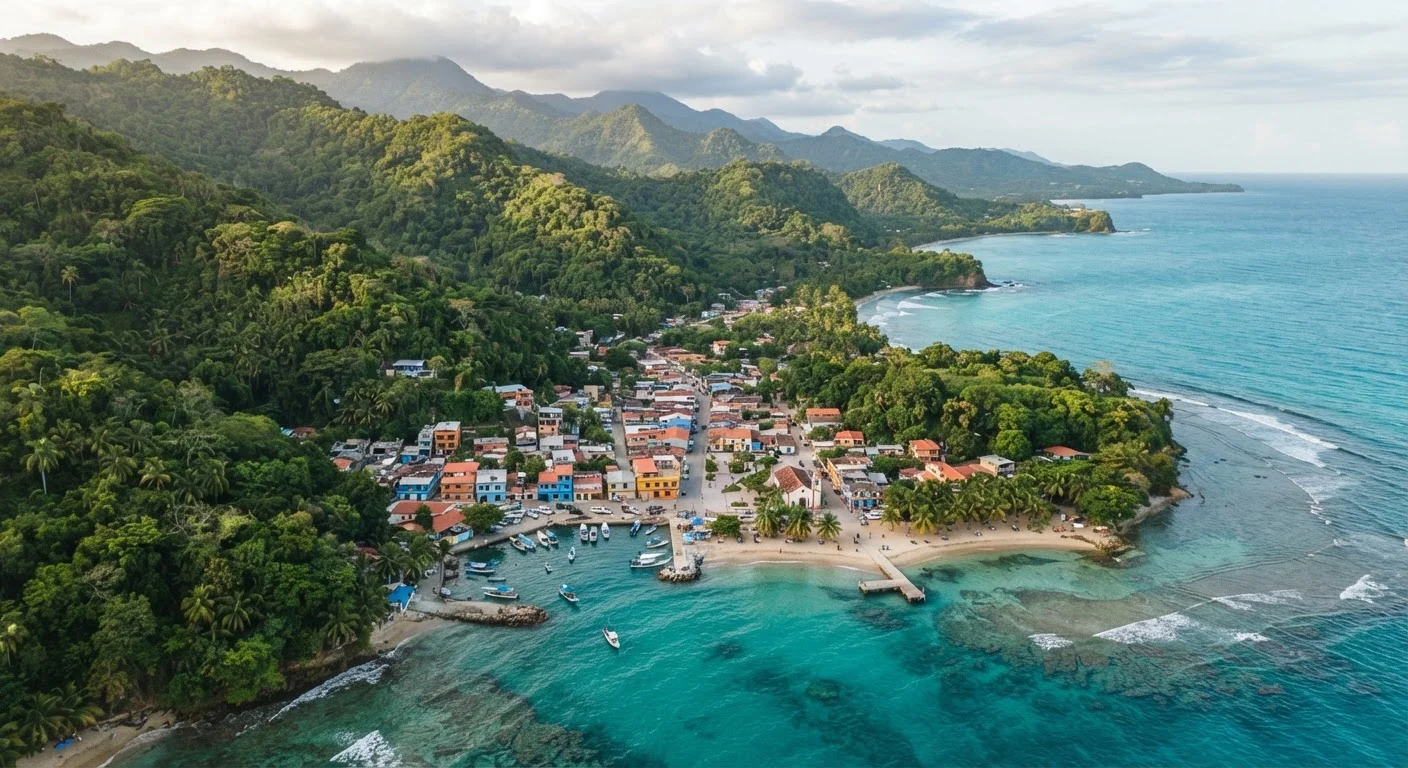
Photo: MyUrbanEscapes.net | Small Escapes. Big Experiences. editorial
—— In This Article
Key Takeaways
- Panama offers the most developed infrastructure and a formal pensionado discount program for senior visitors.
- Guatemala is the most affordable of the three but has the most uneven terrain and accessibility challenges.
- Costa Rica has strong tourism infrastructure but higher daily costs than its Central American neighbors.
- Each country has distinct climate zones — timing your visit matters for comfort and mobility.
- Medical care quality varies significantly between urban and rural areas across all three countries.
Why Central America Deserves a Closer Look
Central America is increasingly on the radar of senior travelers looking to stretch their retirement dollars without sacrificing warmth, culture, or natural beauty. Costa Rica, Panama, and Guatemala are the three most visited countries in the region — and they differ considerably in daily costs, accessibility, and practical comfort for older travelers.
This comparison focuses on what actually matters for seniors: affordability, healthcare proximity, terrain difficulty, and how well the tourism infrastructure accommodates those who prefer a slower pace. For a broader look at how affordable travel and comfort can coexist, see our guide on rethinking budget travel after 60.
| Costa Rica | Panama | Guatemala | |
|---|---|---|---|
| Typical daily budget (mid-range) | $100–$150/person | $80–$120/person | $40–$70/person |
| Senior discount programs | Limited, informal | Pensionado-linked discounts (verify eligibility) | Minimal formal programs |
| English language availability | Widely spoken in tourist areas | Common in Panama City | Limited outside tourist zones |
| Terrain accessibility | Mixed; beach towns easier | Best urban accessibility | Challenging; cobblestones common |
| Healthcare access (urban) | Good in San José | Strongest in the region | Adequate in Guatemala City |
| Currency for US travelers | Costa Rican colón | US dollar | Guatemalan quetzal |
| Tourism infrastructure | Very developed | Developed (city-focused) | Developing; strong in Antigua |
| Cultural/sightseeing appeal | Wildlife, nature, beaches | Canal, city, beaches | Mayan ruins, colonial towns, lakes |
Costa Rica: Nature-Rich but Pricier
Costa Rica has built one of the most mature tourism industries in Latin America, which is both an advantage and a cost driver. English is widely spoken in tourist areas, signage is generally reliable, and many lodges and hotels are experienced hosting international visitors of all ages. That polish comes at a price — daily costs in Costa Rica run higher than in Panama or Guatemala, with mid-range accommodation and meals easily reaching $100–$150 per person per day outside of budget guesthouses.
Terrain is a genuine consideration. Much of the country's appeal — rainforests, volcanoes, wildlife reserves — involves uneven ground, unpaved roads, and steps. Seniors with limited mobility should focus on the Central Valley (particularly the area around San José and Alajuela) or beach towns with flat access such as Tamarindo or Manuel Antonio. Costa Rica's accessibility and climate zones vary significantly, so reviewing specific regions before booking is worthwhile.
Plan Around the Dry Season
Across Costa Rica, Panama, and Guatemala, the dry season roughly runs from December through April. Traveling during this window reduces the risk of disrupted road conditions and makes outdoor sightseeing considerably more comfortable. Book accommodation earlier for this period, as demand from international travelers increases significantly.
Panama: Best Formal Perks for Seniors
Panama stands out for one practical reason: its Pensionado Program. While this visa is primarily for long-term residents, tourists aged 55 and older (women) or 60 and older (men) are often entitled to discounts at many restaurants, hotels, and entertainment venues simply by showing a passport confirming their age — though availability varies by business and is not universally enforced. Verify current eligibility requirements with the Panamanian tourism authority or your embassy before traveling.
Panama City is the most cosmopolitan city in Central America, with a modern metro system, international-standard hospitals, and a wide range of accommodation. For seniors who want a walkable, accessible base, the Casco Viejo and Miraflores neighborhoods offer flat promenades. Daily costs sit between Costa Rica and Guatemala — comfortable mid-range travel is achievable at roughly $80–$120 per person per day. The country uses the US dollar, which eliminates currency exchange friction for American travelers.
Guatemala: Most Affordable, Most Challenging
Guatemala is the most affordable option by a clear margin. Daily budgets of $40–$70 per person are realistic in mid-range guesthouses with local meals — though international-standard hotels in Antigua or Guatemala City will cost more. The cultural richness is unmatched: colonial Antigua, Lake Atitlán, and Mayan archaeological sites at Tikal are genuinely compelling destinations.
The accessibility caveats are real, however. Roads outside major cities are often poorly paved or unpaved. Antigua's charming cobblestone streets are beautiful but difficult for anyone with balance or joint issues. Medical facilities in rural areas are limited, and English proficiency among locals is lower than in Costa Rica or Panama. Seniors considering Guatemala should honestly assess their mobility level and plan to stay near Antigua or Guatemala City if accessibility is a concern.
For those weighing whether to book independently or through a structured tour — which matters a great deal in Guatemala — our comparison of package tours versus independent travel provides a useful framework.
Rural Medical Access Is Limited
In Guatemala — and to a lesser extent in rural Costa Rica and Panama — medical facilities outside major cities may not meet the standards senior travelers expect, particularly for managing chronic conditions. Travel insurance with medical evacuation coverage is strongly advisable. Consult your physician and review your insurance policy before departure.
Making Your Decision
The right choice depends on your priorities. If seamless logistics, accessible urban infrastructure, and formal senior discounts matter most, Panama is hard to beat. If polished nature tourism with English-language support justifies higher spending, Costa Rica delivers. If cultural depth at a lower price point is the priority — and you're reasonably mobile — Guatemala offers extraordinary value.
All three countries have seasonal weather considerations: the dry season (roughly December through April) is generally the most comfortable for travel across the region. Smart budgeting strategies can help you stretch your dollars in any of these destinations, and comparing destinations like these against European alternatives is also worth considering — our Mexico vs. Spain comparison illustrates how different regional contexts shift the value equation.
This article provides general travel information for educational purposes. Prices, visa rules, discount program eligibility, and entry requirements change frequently — always verify details with official government sources and your travel provider before booking.

Travel On A Budget Editorial Team
Travel on a Budget Editorial Team is the collective byline for our editorial team and contributor network. Articles published under this byline or an editorial pen name are researched, written, and reviewed according to our editorial standards for clarity, consistency, and independence before publication.
View author profile