
Lodging Choices That Stretch a Senior Travel Budget
From vacation rentals to extended-stay hotels, explore accommodation strategies that balance cost, comfort, and accessibility for older travelers.
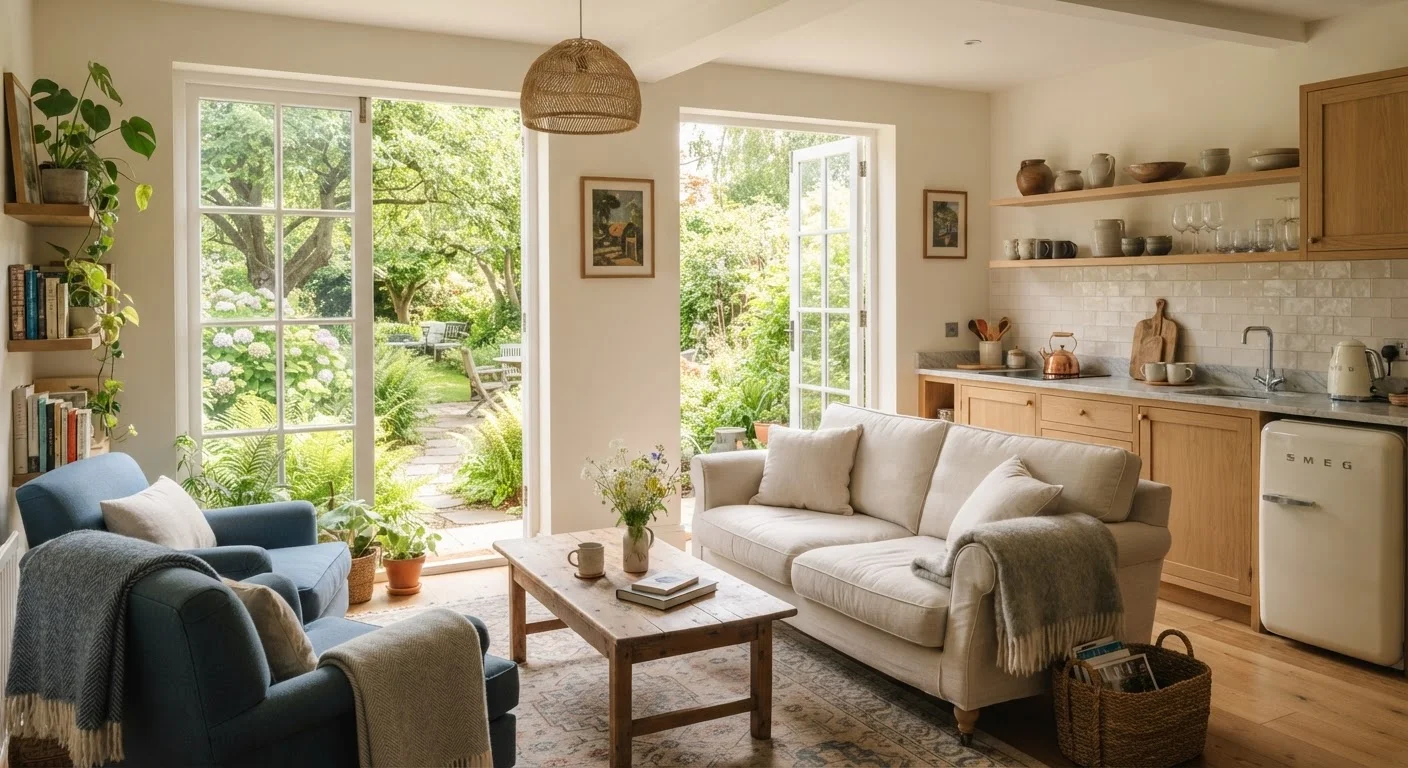
Photo: MyUrbanEscapes.net | Small Escapes. Big Experiences. editorial
—— In This Article
Key Takeaways
- Vacation rentals with kitchens can significantly cut meal costs on trips lasting a week or more.
- Extended-stay hotels often offer weekly rates that undercut standard nightly pricing considerably.
- Senior discount programs at hotel chains are worth asking about directly — they're not always listed online.
- Accessibility features must be verified directly with the property, not assumed from listing descriptions.
- Staying slightly outside tourist centers can reduce nightly rates while keeping attractions reachable.
- Matching lodging type to trip length is one of the most effective budgeting decisions a senior traveler can make.
Why Lodging Deserves More Budget Attention Than It Usually Gets
For most trips, accommodation is the single largest line item after transportation — yet many travelers lock in a hotel out of habit without comparing alternatives. For senior travelers managing a fixed income or a tighter travel budget, that default choice can mean real money left on the table.
The good news is that the lodging landscape has expanded considerably. Vacation rentals, extended-stay properties, senior-specific accommodations, and traditional hotels each have distinct cost profiles depending on trip length, group size, and destination. Understanding those differences — and matching the right option to your specific trip — is one of the most practical budgeting moves available. See our detailed comparison of vacation rentals and hotels for senior travelers for a fuller cost breakdown.
Below are seven concrete strategies for getting more value from your lodging budget without compromising the comfort and accessibility that matter as we age.
Choose vacation rentals for stays of five nights or more
Once a trip extends beyond four or five nights, vacation rentals frequently offer a lower total cost than comparable hotel rooms — especially when you factor in meals. A rental with a full kitchen allows you to prepare breakfasts and most lunches, which can reduce food spending by a meaningful amount over the course of a week.
Group travel amplifies the savings further. A two-bedroom rental shared between two couples often costs less per person per night than four separate hotel rooms. Our article on why longer rental stays tend to work better for seniors goes into the comfort and pacing benefits as well.
One caution: always verify accessibility features — step-free entry, grab bars, elevator access — directly with the host before booking. Listing descriptions vary widely in accuracy.
A kitchen-equipped rental can cut food costs significantly across a week-long stay.
Ask hotels directly about senior rates — don't rely solely on booking sites
Many hotel chains offer age-based discounts — commonly for travelers 55, 60, or 62 and older — that aren't prominently surfaced on third-party booking platforms. Calling the property directly or checking the hotel's own website under membership or loyalty programs often surfaces rates that comparison sites don't show.
AARP membership, AAA, and some veterans' organizations also negotiate hotel discounts that can be stacked with promotional pricing in some cases. Ask specifically whether discounts can be combined, and compare the discounted rate against any current promotional pricing to make sure you're getting the better deal. For broader strategies on managing accommodation costs, see keeping accommodation costs down without compromising safety or comfort.
Senior hotel rates often exist but require asking — they're frequently not listed on booking platforms.
Consider extended-stay hotels for week-long trips
Extended-stay hotel brands occupy a useful middle ground: they offer kitchenettes or small kitchens, more living space than a standard hotel room, and weekly rates that are typically discounted 20–30% compared to multiplying the nightly rate by seven. They're also generally designed for longer occupancy, which usually means better in-room storage and laundry access — practical advantages for older travelers who prefer to pack light and wash clothes mid-trip.
These properties tend to be located in suburban or mixed commercial areas rather than downtown cores, which can mean lower rates but also a need for a car or rideshare for sightseeing. Factor in transportation costs when comparing total trip spend.
Weekly rates at extended-stay properties can undercut standard nightly hotel pricing by 20–30%.
Stay one neighborhood away from the tourist center
Properties immediately adjacent to major attractions carry a location premium. Staying in a quieter residential neighborhood — typically one to three miles from the main draw — can reduce nightly rates noticeably while keeping destinations accessible by bus, light rail, or a short taxi ride.
This approach works especially well in walkable cities where public transit is reliable. In destinations where driving or ride-sharing is necessary regardless of where you stay, the location premium rarely translates to meaningful savings in time. Research transit options before choosing a neighborhood, and weigh the total cost of lodging plus local transportation when comparing options.
Lodging one or two neighborhoods from tourist centers often costs less with minimal impact on access.
Weigh whole-home rentals against private room options based on your priorities
Not every vacation rental needs to be an entire home. For solo travelers or couples on shorter trips, renting a private room within a host's home can be considerably less expensive than a full property — and some travelers find the local knowledge hosts provide genuinely useful.
The tradeoffs are real, though. Shared-entry rentals mean less privacy, potentially more stairs, and varying levels of accessibility. For travelers who value independent space — particularly those with mobility considerations or medical equipment — a whole-home rental or hotel room will usually be worth the additional cost. Our article on renting a whole home versus a private room for older travelers lays out the specific tradeoffs in detail.
Private room rentals cost less than whole-home options, but privacy and accessibility tradeoffs are significant.
Travel during shoulder season to unlock lower rates across all lodging types
Peak travel periods — major holidays, summer school breaks, local festivals — drive up accommodation costs across every category. Shifting a trip by even two or three weeks into shoulder season (the period just before or after peak demand) can reduce nightly rates meaningfully without sacrificing much in terms of weather or attractions.
Many popular destinations are actually more enjoyable during shoulder season: fewer crowds, shorter wait times, and easier reservations. For seniors who have schedule flexibility — one of the genuine advantages of retirement — this is one of the highest-return strategies available. Combine shoulder-season timing with a longer stay and you compound the savings further. See how trip length affects overall value for senior travelers for more on planning around timing and duration.
Shoulder-season travel can reduce lodging rates substantially with little sacrifice in experience quality.
Investigate senior-focused and age-restricted accommodation options
A growing category of lodging is specifically designed for older travelers: properties that emphasize step-free access, on-site medical support, organized activities, and social environments suited to guests 55 and older. These range from resort communities with short-term rental availability to purpose-built senior travel programs offered through alumni associations, affinity groups, and some nonprofit travel organizations.
These options won't suit every traveler or trip style, but for those who value structured support — particularly on first international trips or during longer stays — they can offer meaningful peace of mind alongside competitive pricing. Our comparison of short-term rentals versus senior-focused accommodation covers the key differences in detail.
Senior-focused properties offer built-in accessibility and support that standard listings rarely guarantee.
Putting It All Together
No single lodging type wins for every traveler or every trip. The right choice depends on how long you're staying, how many people are traveling with you, what accessibility features you need, and how much flexibility you have in timing. What's consistent across all these strategies is the value of planning deliberately rather than defaulting to the familiar.
Verify Accessibility Before You Book
Accessibility descriptions in accommodation listings — whether hotels or vacation rentals — are inconsistently detailed and sometimes inaccurate. Before confirming any reservation, contact the property directly and ask specific questions: Is there a step at the entrance? Are grab bars installed in the bathroom? Is the elevator large enough for a mobility aid? Getting written confirmation of key features can prevent costly surprises on arrival.
If you're weighing destinations alongside lodging costs, our guides to affordable U.S. cities for senior travelers and destinations where a modest budget goes further can help you find places where lower accommodation costs are part of a broader pattern of affordability. For those considering longer stays abroad, it's also worth reviewing the trade-offs of long-stay international travel before committing.
This article provides general travel planning information. Prices, availability, and program details change frequently — always verify directly with accommodation providers before booking.

Travel On A Budget Editorial Team
Travel on a Budget Editorial Team is the collective byline for our editorial team and contributor network. Articles published under this byline or an editorial pen name are researched, written, and reviewed according to our editorial standards for clarity, consistency, and independence before publication.
View author profile