
Affordable U.S. Cities Where Seniors Travel Well Without Overspending
A curated look at domestic U.S. cities that combine low daily costs, walkable neighbourhoods, cultural depth, and senior-friendly infrastructure.
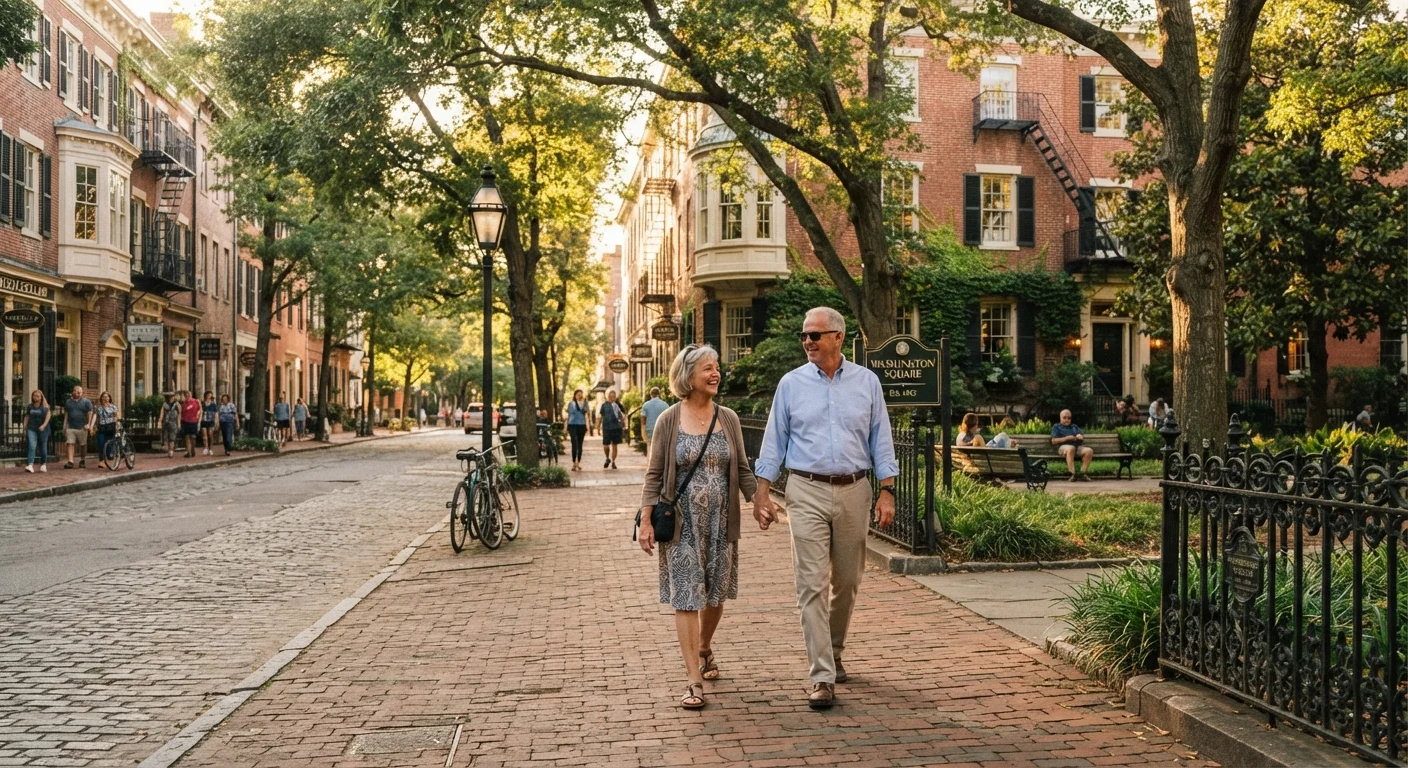
Photo: MyUrbanEscapes.net | Small Escapes. Big Experiences. editorial
—— In This Article
Key Takeaways
- Several U.S. cities offer genuinely low daily costs without sacrificing cultural depth or comfort.
- Walkability, accessible transit, and free or reduced-admission attractions are key factors for senior-friendly travel.
- Shoulder seasons and longer stays can significantly reduce per-day travel expenses in most domestic cities.
- Many seniors qualify for discounted or free museum, park, and transit passes that are easy to overlook.
- Choosing the right city type — coastal, inland, or Southern — affects both budget and accessibility.
Why Domestic Cities Deserve a Closer Look
International travel gets plenty of attention, but for many senior travelers, the best value is closer to home. U.S. cities increasingly compete on affordability, offering free museum days, senior transit discounts, flat walkable neighborhoods, and accommodation options that suit a range of budgets. No passport, no currency conversion, no long-haul flights — and in many cases, genuine cultural richness that rivals any overseas destination.
The cities below were chosen based on a combination of factors: relatively low average daily costs for accommodation and meals, accessible infrastructure, meaningful free or low-cost attractions, and a pace that suits travelers who prefer depth over rush. For a broader look at how destination type affects your budget, see our guide on senior-friendly cities and regions across America.
What 'Affordable' Means in Practice
Affordability varies by travel style, season, and accommodation type. The cities here are identified as relatively lower-cost based on general indicators — average hotel rates, meal costs, and attraction pricing — rather than guaranteed figures. Costs shift with season, and what's affordable for one traveler may not be for another. For a deeper look at how to assess destination value, see our guide on destinations where a modest budget goes further.
U.S. Cities That Deliver Real Value for Senior Travelers
Asheville, North Carolina
Asheville punches well above its size for culture, food, and natural scenery, while remaining substantially more affordable than comparable coastal cities. The River Arts District is walkable, flat in sections, and free to explore. The Blue Ridge Parkway — one of the most scenic drives in the eastern U.S. — charges no entry fee. Downtown Asheville is compact enough that many visitors cover it comfortably on foot, and local transit provides backup for hillier stretches.
Accommodation costs are moderate outside peak leaf-season weekends, and the city has a growing range of vacation rentals suited to longer visits. For seniors who enjoy a slower pace through scenic American landscapes, this region pairs naturally with unhurried US travel regions.
Asheville combines free scenic drives, walkable arts districts, and moderate accommodation costs.
San Antonio, Texas
San Antonio's River Walk is flat, shaded, and accessible — an unusually easy urban environment for travelers with mobility considerations. The city's major historic attractions, including the Alamo and the adjacent missions, charge little or no admission. Meal costs across the city tend to run below national urban averages, particularly at the many family-run Tex-Mex restaurants away from the tourist core.
San Antonio also benefits from mild winters, making it a practical destination for seniors traveling outside summer. Public transit connects major attractions, and the city's layout is manageable without a car for those staying downtown.
San Antonio's flat River Walk and low-cost historic sites make it practical and affordable.
Savannah, Georgia
Savannah's grid of shaded squares gives it one of the most pleasant walking environments of any American city, and most of the historic district's charm is free to experience simply by strolling it. The city's museums and historic house tours are modestly priced, and many offer senior concessions. Accommodation in the historic district covers a range of budgets, from independent inns to vacation rentals in restored townhouses.
For seniors weighing Savannah against a similarly priced Southern alternative, our comparison of Savannah and Charleston for senior travelers lays out the practical differences in terrain, pace, and cost.
Savannah's shaded historic squares are free to explore and unusually easy to walk.
Albuquerque, New Mexico
Albuquerque is one of the more underappreciated domestic destinations for value-focused senior travel. The city offers a free Rapid Transit system along Central Avenue, low average restaurant prices, and a significant stock of affordable accommodation. The Indian Pueblo Cultural Center and the Petroglyph National Monument both offer senior pricing, and the Sandia Mountains provide accessible day hiking and a tram ride with panoramic views.
Old Town Albuquerque is compact and navigable, and the city's high desert climate produces mild spring and fall conditions that many travelers find comfortable. For those comparing inland city options against coastal alternatives, our piece on coastal towns vs. inland cities for senior travelers provides useful framing.
Albuquerque offers free transit, affordable dining, and accessible desert landscapes worth exploring.
Pittsburgh, Pennsylvania
Pittsburgh has repositioned itself as one of the more culturally rich and affordable mid-size American cities. The Carnegie Museums complex — which includes natural history, art, and science — offers senior discounts and remains one of the strongest museum values in the country. The city's inclines (funiculars) provide accessible access to hilltop neighborhoods with river views, and the Strip District offers affordable, walkable food culture.
Hotels and vacation rentals in Pittsburgh cost noticeably less than in comparable Northeast cities. The city is also well-served by domestic flights from most U.S. hubs, which can reduce the overall trip cost. Seniors interested in culturally rich, accessible American cities should also consider accessible cultural hubs across America.
Pittsburgh's world-class museums, funiculars, and low hotel rates offer strong value for cultural travelers.
Tucson, Arizona
Tucson's appeal for senior travelers rests on a combination of dry warmth in cooler months, genuinely low meal and accommodation costs, and a range of nature-based attractions that charge modest fees. Saguaro National Park surrounds the city on two sides and charges a standard national park fee — waived for holders of the America the Beautiful Senior Pass. The University of Arizona campus anchors a walkable arts and dining zone, and the city's overall cost of living keeps visitor expenses lower than many Sun Belt alternatives.
Tucson sits within easy driving distance of several other southern Arizona attractions, making it a practical base for multi-day regional exploration. Seniors drawn to desert scenery may also want to look at why Sedona keeps drawing older travelers back for a complementary Arizona option.
Tucson pairs low daily costs with national park access — especially affordable with a Senior Pass.
Use the America the Beautiful Senior Pass
U.S. residents aged 62 and older can purchase the America the Beautiful Senior Pass, which provides lifetime access to federal recreational lands — including national parks, monuments, and recreation areas — for a one-time fee. This pass can meaningfully reduce costs in cities near national parks, such as Tucson and Albuquerque. Check the National Park Service website for current pricing and eligibility details before purchasing.
Making the Most of Your City Stay
Beyond choosing the right destination, a few planning habits can meaningfully stretch your budget. Many of the cities listed here reward longer stays — weekly vacation rental rates, for instance, often drop the per-night cost significantly compared to booking hotel rooms day by day. Our article on lodging strategies for senior travelers covers this in practical detail.
It also pays to look beyond the well-advertised senior discounts. Many local museums, botanical gardens, historic sites, and performing arts venues offer concessions that aren't prominently listed. Our roundup of lesser-known places where seniors qualify for free or reduced entry is a useful companion for any domestic city trip. If you're curious how U.S. cities compare to international options on a budget, our guide to first affordable international trips for seniors offers a straightforward comparison.
This article provides general travel information for educational purposes. Prices, transit options, and admission policies vary and can change; always verify current details directly with venues, transit authorities, and accommodation providers before traveling.

Travel On A Budget Editorial Team
Travel on a Budget Editorial Team is the collective byline for our editorial team and contributor network. Articles published under this byline or an editorial pen name are researched, written, and reviewed according to our editorial standards for clarity, consistency, and independence before publication.
View author profile