
Lesser-Known Places Where Seniors Qualify for Free or Reduced Entry
Beyond the obvious, many museums, parks, heritage sites, and cultural venues offer generous senior concessions that go unnoticed.
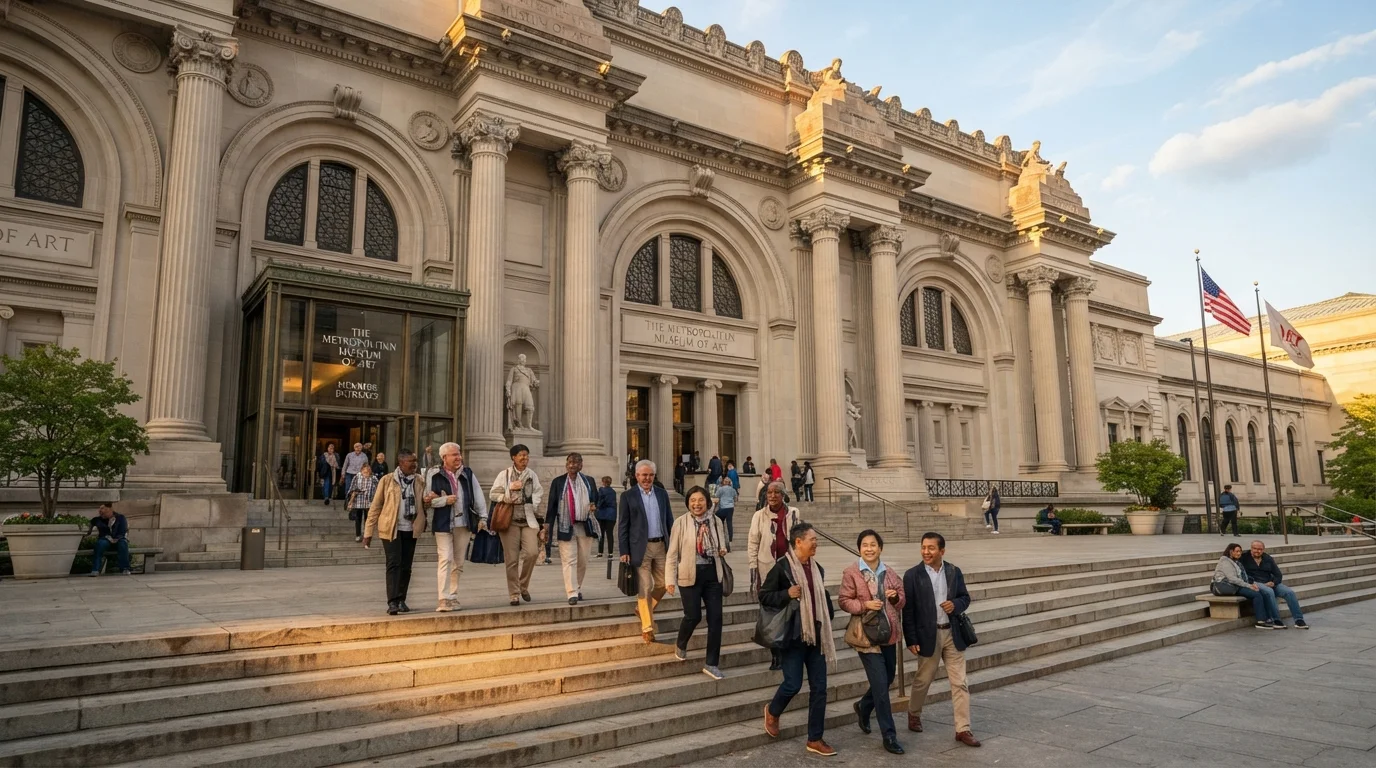
Photo: MyUrbanEscapes.net | Small Escapes. Big Experiences. editorial
—— In This Article
Key Takeaways
- Many museums, parks, and heritage sites offer senior discounts that are not widely advertised.
- The America the Beautiful Senior Pass provides lifetime access to over 2,000 federal recreation sites.
- Asking about senior pricing before purchasing a ticket — even at unexpected venues — often pays off.
- State and local government-run sites frequently offer free or reduced entry to residents over a certain age.
- Traveling midweek or during off-peak hours can stack additional savings on top of senior concessions.
Why Senior Entry Discounts Go Unnoticed
Most senior travelers know to ask about discounts at major national parks or blockbuster museum exhibitions. What catches many by surprise is the breadth of smaller, less-publicized venues where reduced or free entry is quietly available — from state botanical gardens and local symphony halls to municipal transit systems and historic lighthouses.
The reasons these discounts go unclaimed are straightforward: venues don't always advertise them at the point of entry, age thresholds vary (some start at 60, others at 65 or 70), and residency or membership requirements sometimes apply. The practical fix is simple — ask before you pay. For a fuller picture of how senior concessions work across different travel categories, see our senior travel discounts explainer.
The list below covers venue types where senior pricing is common but frequently overlooked, giving you a concrete starting checklist for your next trip.
Always Ask Before You Pay
Senior discounts at smaller venues are often unadvertised and applied only when requested. Before purchasing any ticket — whether at a museum, garden, transit counter, or performance box office — ask specifically whether a senior rate is available and what ID is required. Carrying a government-issued photo ID that shows your date of birth is the single most useful habit to develop.
Lesser-Known Places Where Senior Entry Discounts Are Worth Seeking Out
Federal Recreation Sites via the America the Beautiful Senior Pass
The America the Beautiful Senior Pass — available to U.S. citizens or permanent residents aged 62 and older — provides lifetime access to more than 2,000 federally managed recreation areas, including national parks, wildlife refuges, and forests. A one-time fee covers the pass itself, and it admits the pass holder plus additional passengers in the same vehicle at no charge at per-vehicle fee sites.
What many seniors miss: the pass also covers or discounts certain amenity fees such as camping, swimming, and boat launches at participating sites — savings that add up quickly on longer trips. Passes can be purchased online through the U.S. Geological Survey store or in person at participating federal recreation sites.
One lifetime pass unlocks free entry to over 2,000 federal recreation sites for seniors 62 and older.
State and Local Government-Run Museums and Historic Sites
State historical societies, archaeology museums, and government-operated heritage sites frequently offer free or reduced entry to in-state residents above a certain age — sometimes as low as 60. These policies are set at the state or county level and vary considerably, so they rarely appear on national discount directories.
Examples of where to look: state capitol visitor centers, state-run natural history museums, and county-operated historic homes or forts. Calling ahead to ask about resident senior pricing — and bringing a government-issued ID showing your home address — is the most reliable approach.
State-run heritage sites often give free entry to resident seniors, a benefit that's rarely promoted.
Botanical Gardens and Arboretums
Many botanical gardens and arboretums operated by universities, municipalities, or nonprofit foundations offer discounted or free admission to seniors, particularly on designated days or mornings. Some gardens with paid general admission waive the fee entirely for members of affiliated garden societies.
The reduced pricing often comes with quieter visiting conditions — weekday mornings at botanical gardens tend to be less crowded, making them more comfortable to navigate at a leisurely pace. Check the garden's official website for a senior rate schedule, and ask specifically about free-admission days, which are sometimes available to all visitors regardless of age.
Botanical gardens frequently offer senior rates or free mornings that are easy to miss online.
Symphony Orchestras, Community Theaters, and Performing Arts Centers
Performing arts organizations — particularly regional symphony orchestras, community theater companies, and publicly funded arts centers — commonly offer senior ticket pricing, rush tickets for unsold seats, or designated senior matinee performances at reduced rates. Some programs specifically target fixed-income seniors with deeply discounted or subsidized tickets through partnership with local Area Agencies on Aging.
These discounts are usually not listed on general ticketing platforms. Calling the box office directly — and specifically asking for senior pricing, rush availability, or community access programs — is the most effective strategy. For cities known for accessible cultural programming, our guide to accessible cultural hubs across America highlights destinations where the arts scene is both rich and budget-friendly.
Calling the box office directly, rather than booking online, often reveals unadvertised senior pricing.
Zoos and Aquariums With Reciprocal Membership Networks
Many accredited zoos and aquariums participate in reciprocal admission programs — most notably through the Association of Zoos and Aquariums (AZA) SAFE program and similar networks — that allow members of one institution free or discounted entry at hundreds of partner venues nationwide. When a senior membership at a local zoo is combined with reciprocal access, the effective per-visit cost can drop substantially across an entire trip itinerary.
Senior membership tiers at participating institutions are typically priced lower than standard adult memberships. Confirm which reciprocal network a zoo or aquarium belongs to before purchasing a membership, and verify that the specific partnership is active at your intended destination.
A senior zoo membership in your home city can unlock free entry at partner venues nationwide.
Urban Transit Systems
Reduced or free public transit for seniors is available in a significant number of U.S. cities, though eligibility rules differ widely. Some systems offer half-fare programs to riders 65 and older with valid ID; others extend the benefit to residents only, or require a separate reduced-fare card issued through the transit authority. A handful of cities offer free off-peak transit to seniors as a matter of local policy.
Using transit discounts can eliminate parking costs entirely in dense urban areas — a meaningful saving when you factor in daily parking rates in cities like San Francisco, Boston, or Chicago. For destination ideas where walkability and transit access make senior travel more comfortable, see our guide to affordable U.S. cities for senior travelers.
Many city transit systems offer seniors half-fare or free off-peak rides — but you have to ask for the card.
University Art Galleries and Campus Museums
University-run galleries and campus museums — covering art, natural history, anthropology, and science — are among the most overlooked free or low-cost cultural resources for senior travelers. Many are open to the public at no charge as a condition of their educational mission, while others charge only a nominal suggested donation.
Quality varies, but flagship university museums at major research institutions often hold significant permanent collections. Campus settings can also make for pleasant, walkable half-day visits. Checking a university's arts and cultural programs page before arriving in a new city is a quick way to identify free options that won't appear on standard tourism sites.
University museums are frequently free to the public and often hold collections of genuine depth.
Discount Policies Vary and Can Change
Age thresholds, residency requirements, and discount amounts differ significantly between venues and are subject to change without broad notice. The categories listed here reflect commonly available programs, but no specific pricing or eligibility can be guaranteed. Always verify current policies directly with each venue before your visit. For a structured overview of where to search for verified senior discounts, see our senior travel discounts reference guide.
Making the Most of What's Available
Senior concessions at attractions rarely exist in isolation. Combining them with off-peak travel, multi-day passes, and reciprocal membership programs can reduce your total admissions spend substantially. Many science centers and art museums belong to reciprocal networks that honor memberships from institutions in other cities — worth checking before you travel.
For a broader look at where discounts apply across transport, lodging, and tours — not just attractions — explore our overview of senior discount categories. And if you're planning a domestic trip centered on culture and value, our guide to accessible cultural hubs across America pairs well with the venue types listed here.
Discount policies, age thresholds, and availability vary by venue and may change. Always verify current pricing directly with each site before visiting.

Travel On A Budget Editorial Team
Travel on a Budget Editorial Team is the collective byline for our editorial team and contributor network. Articles published under this byline or an editorial pen name are researched, written, and reviewed according to our editorial standards for clarity, consistency, and independence before publication.
View author profile