
Keeping Accommodation Costs Down Without Compromising Safety or Comfort
Practical, tested approaches to finding affordable places to stay that still meet the accessibility, safety, and comfort expectations of senior travellers.
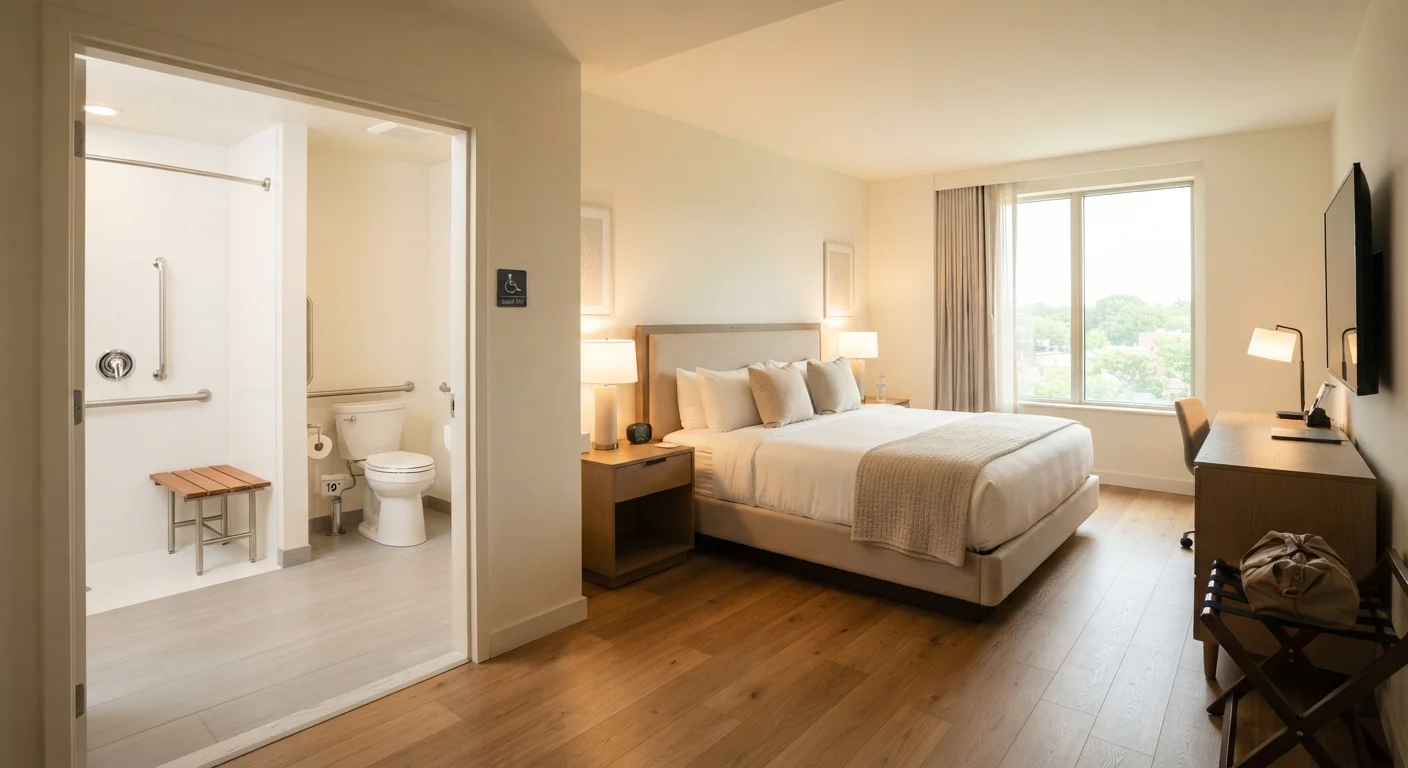
Photo: MyUrbanEscapes.net | Small Escapes. Big Experiences. editorial
—— In This Article
Key Takeaways
- Traveling off-peak can significantly reduce nightly accommodation rates without sacrificing quality or safety.
- Asking directly about accessibility features before booking prevents costly, stressful surprises on arrival.
- Extended stays, vacation rentals, and membership programs each offer meaningful savings for senior travelers.
- Verified guest reviews from other seniors are among the most reliable filters for comfort and safety.
- A modest, targeted checklist of must-have features helps narrow searches quickly and avoid unsuitable properties.
Why Cost and Comfort Don't Have to Be a Trade-Off
Many senior travelers assume that keeping accommodation costs down means accepting noisy rooms, inaccessible bathrooms, or neighborhoods that feel unsafe after dark. That assumption is worth challenging. With a methodical approach to searching and booking, it is entirely possible to find lodging that is affordable, physically accessible, and located in a setting where you feel secure.
This article outlines practical, tested practices for doing exactly that — whether you are planning a domestic road trip, an extended stay abroad, or a shorter city break. For a broader view of how accommodation fits into your overall travel budget, see our full walkthrough for seniors on fixed incomes.
Quick Actions You Can Take Before Your Next Booking
Some of the highest-impact savings require no special programs or memberships — just a shift in timing or a few targeted questions. The actions below can be applied to almost any upcoming trip.
Understanding Your Options: Hotels, Rentals, and Extended Stays
The type of accommodation you choose shapes both the cost and the day-to-day comfort of your trip. Hotels offer predictability and on-site support, but nightly rates add up quickly on longer trips. Vacation rentals can cut per-night costs substantially when staying a week or more, and a kitchen means savings on meals — though accessibility varies widely and must be verified directly with the host.
Extended-stay properties occupy a useful middle ground: they are designed for multi-night visits, often include kitchenettes, and frequently offer weekly or monthly rates well below standard nightly pricing. Our article on lodging choices that stretch a senior travel budget explores each category in practical detail. For a direct cost and convenience comparison of hotels versus rentals specifically, see vacation rental vs. hotel for senior travelers.
~30%
Potential savings booking shoulder vs. peak season
Travel industry analysts generally estimate shoulder-season accommodation rates run 25–35% below peak-season pricing at the same properties, though figures vary by destination and category.
7+ nights
Stay length where extended-stay pricing typically activates
Many extended-stay hotels and vacation rental hosts begin offering discounted weekly rates at the seven-night threshold, making longer trips proportionally more affordable per night.
Verifying Safety and Accessibility Before You Commit
Price means little if a property cannot accommodate your mobility needs or sits in an area that feels unsafe at night. Build a short checklist of non-negotiable features — step-free entry, a walk-in shower or tub grab bars, elevator access if above the ground floor, adequate lighting — and treat those as filters, not bonuses.
Contact the property directly by phone or email before booking. Ask specific questions: How many steps are there from the street to the entrance? Is there a handheld showerhead? Is the neighborhood generally quiet after 9 p.m.? Most reputable hosts and front-desk staff will answer honestly. If they cannot or will not, that itself is useful information. For a structured approach to this verification process for rentals specifically, the senior traveller's guide to locating accessible rentals walks through every stage from initial search to confirmed booking.
Accessibility Claims Are Not Always Verified
Online platforms vary in how rigorously they confirm the accessibility features listed by hosts or properties. A listing that notes 'accessible bathroom' may mean different things to different hosts. Direct confirmation — by phone or email, with specific questions — remains the most reliable method. For detailed guidance on what questions to ask and how to document responses, consult the Health & Safety hub for broader safety considerations when traveling.

Travel On A Budget Editorial Team
Travel on a Budget Editorial Team is the collective byline for our editorial team and contributor network. Articles published under this byline or an editorial pen name are researched, written, and reviewed according to our editorial standards for clarity, consistency, and independence before publication.
View author profile