
Before You Leave: The Senior Travel Safety Checklist
A practical pre-departure checklist covering medications, emergency contacts, documents, and health preparations to keep senior travelers protected.
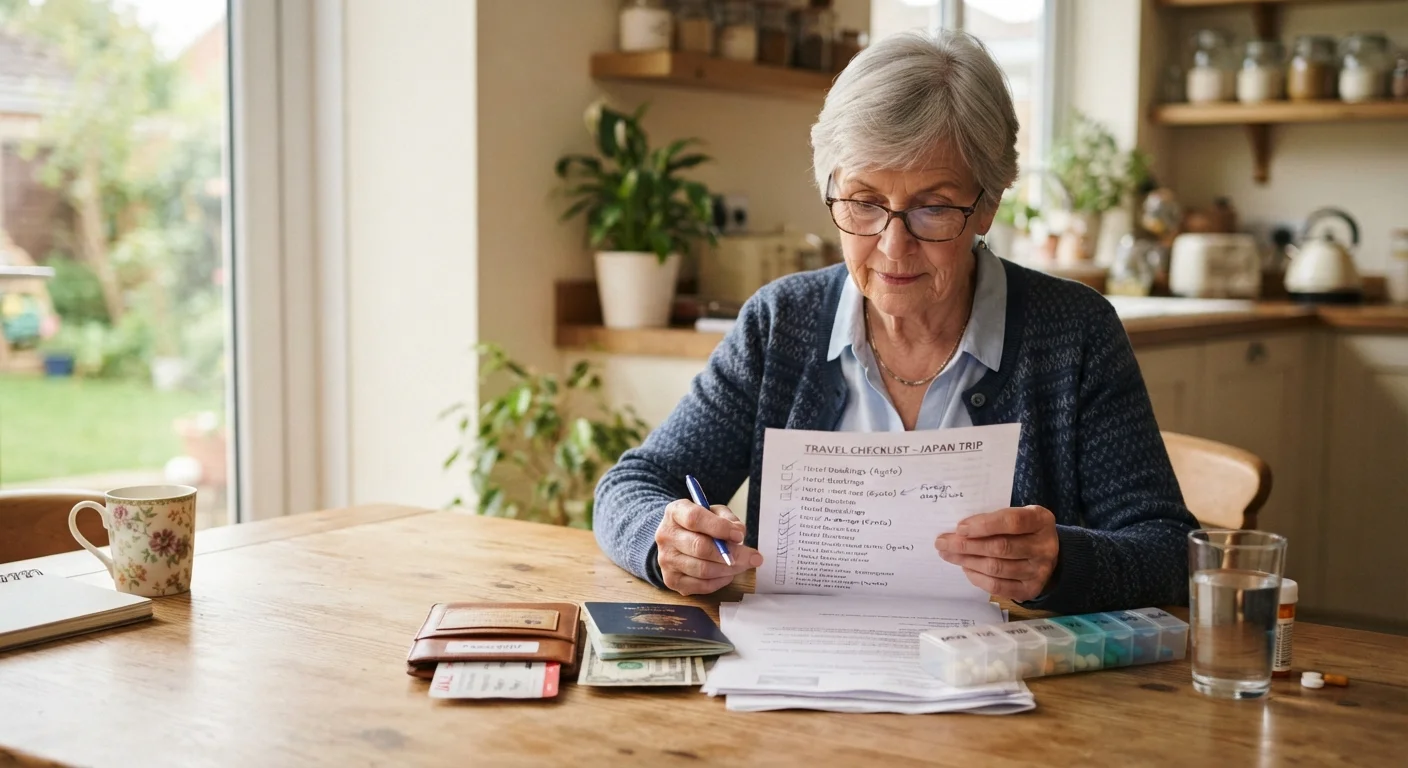
Photo: MyUrbanEscapes.net | Small Escapes. Big Experiences. editorial
—— In This Article
Key Takeaways
- Carry a complete, up-to-date medication list including dosages and prescribing physicians.
- Store emergency contacts and medical information in both digital and physical formats.
- Confirm travel insurance covers pre-existing conditions and emergency medical evacuation.
- Bring sufficient medication supplies for the full trip plus a buffer for delays.
- Verify all identity and travel documents are current before departure day.
Why a Pre-Departure Checklist Matters for Senior Travelers
Most travel disruptions are preventable. For senior travelers — who may manage chronic conditions, rely on prescription medications, or require mobility assistance — the margin for error is smaller than for younger travelers. A missed medication refill, an expired passport, or a missing insurance card can turn a manageable situation into a serious one.
This checklist is designed to be run through in the days before any departure: a domestic flight, a cruise, an RV trip, or an international journey. It focuses on the categories that most directly affect health, safety, and peace of mind. For a broader starting point on health preparation, see the complete senior pre-travel health prep guide.
Work through each section at least 48–72 hours before you leave. This gives you time to resolve anything that needs attention — a prescription that needs refilling, a document that needs copying, or a contact number that needs updating.
This Checklist Is Not Medical Advice
The items in this checklist are general preparedness guidelines, not personalized medical instructions. If you have a chronic condition, recent surgery, or complex medication regimen, consult your healthcare provider before departure. Your doctor can advise on travel-specific precautions relevant to your individual health status.
What You'll Need to Work Through This Checklist
Before running through the items below, gather the following tools and materials. Having everything in one place avoids repeated trips to different rooms or files.
Prescription bottles and medication list
Needed to verify supply quantities, confirm dosage details, and prepare your written medication record.
Travel insurance policy documents
Review your coverage limits, pre-existing condition clauses, and the emergency assistance contact number.
Passport and government-issued ID
Verify expiration dates and make photocopies for your travel document packet.
Smartphone or tablet with cloud access
Store digital copies of documents and set up a medical ID accessible from the lock screen.
Printed emergency information sheet template
A single page where you record contacts, conditions, medications, and insurance details to carry and leave at home.
Small travel first-aid kit
Carry basic supplies including bandages, antiseptic, a thermometer, and any condition-specific items.
The Full Pre-Departure Safety Checklist
Work through each group in sequence. Items marked must are non-negotiable for most senior travelers. Should items are strongly recommended, and nice-to-have items add an extra layer of preparedness without being essential.
For travelers heading out on a cruise, the pre-cruise health checklist covers vessel-specific considerations in more detail. RV travelers should also consult the RV pre-trip safety checklist for vehicle-specific preparation.
Medications & Medical Supplies
Documents & Identity
Insurance & Financial Preparation
Emergency Contacts & Medical Information
Mobility & Accessibility
After You've Checked Every Box
Once you've completed the checklist, take one final step: tell someone at home — a trusted friend, neighbor, or family member — your full itinerary, including accommodation addresses and check-in dates. Leave them a copy of your emergency contacts and travel insurance details. This single step can dramatically reduce response time if something goes wrong.
For a deeper look at building out a formal emergency plan, see Building a Senior Travel Emergency Plan. And for habits to carry with you once you're on the road, A Senior Traveler's Complete Safety Primer covers the core practices that matter most in unfamiliar environments.
Don't Pack Medications in Checked Luggage
Checked baggage can be delayed, lost, or exposed to temperature extremes that may compromise some medications. Always keep all medications — especially insulin, blood thinners, and cardiac drugs — in your carry-on bag where they remain accessible throughout the journey.
Verify Entry Requirements Well Before Departure
Visa rules, vaccination documentation requirements, and entry conditions can change. Always check the official government travel advisory website for your destination at least two weeks before departure, not just at the time of booking. Requirements that were accurate when you booked may have changed.
This article provides general travel safety information for educational purposes only. It is not a substitute for personalized medical, legal, or financial advice. Always consult a qualified healthcare provider before traveling with a medical condition, and verify all entry, insurance, and documentation requirements with official government and provider sources before departure.

Travel Health & Safety Editorial Team
Travel Health & Safety Editorial Team is the collective byline for our editorial team and contributor network. Articles published under this byline or an editorial pen name are researched, written, and reviewed according to our editorial standards for clarity, consistency, and independence before publication.
View author profile