
Building a Senior Travel Emergency Plan: Contacts, Documents, and Contingencies
How to prepare a practical emergency plan before departure — covering medical contacts, document copies, next-of-kin info, and what to do if plans fall apart.
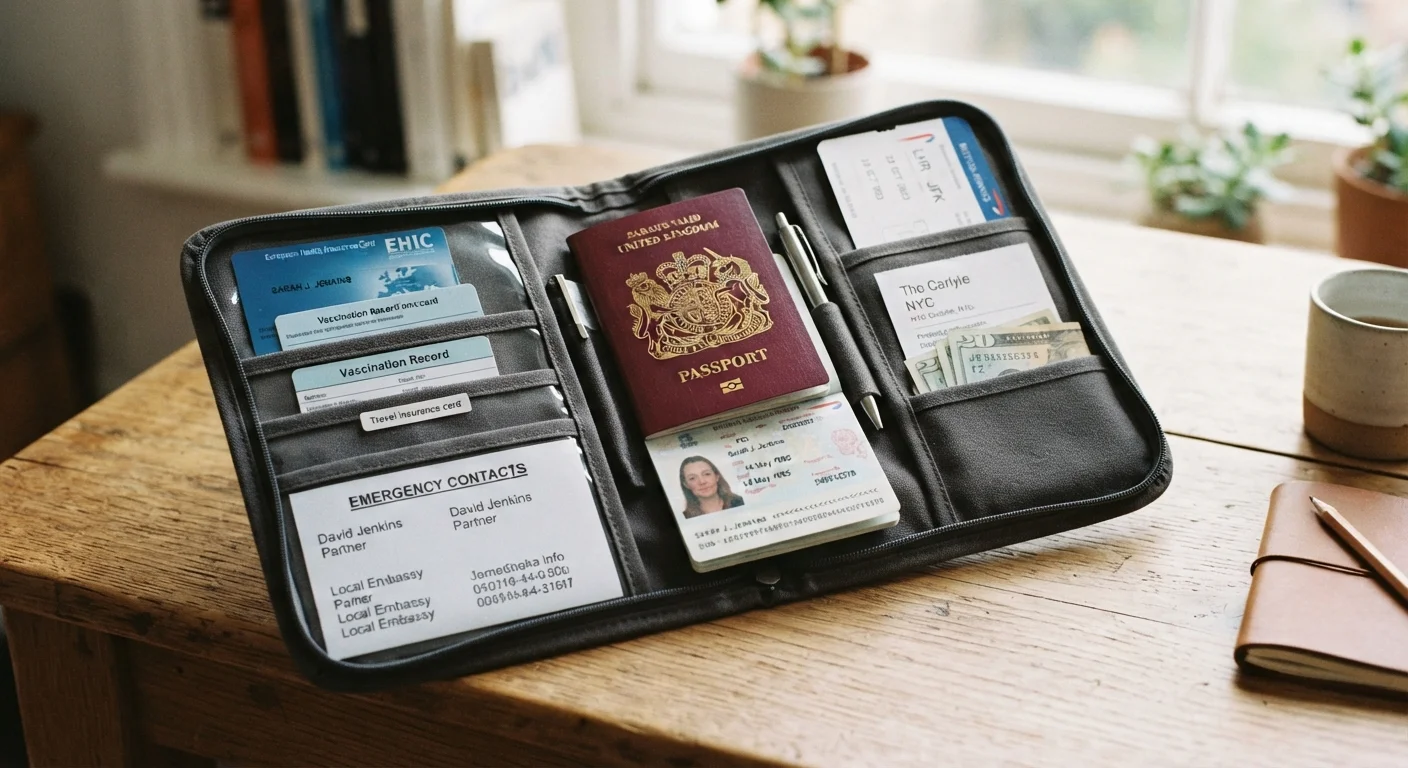
Photo: MyUrbanEscapes.net | Small Escapes. Big Experiences. editorial
—— In This Article
Key Takeaways
- Compile a single emergency information sheet with medical, financial, and contact details before every trip.
- Store document copies in at least two separate locations — one on your person, one in your luggage.
- Share your full itinerary and emergency plan with a trusted contact at home before departure.
- Know your travel insurance policy's emergency assistance number and keep it easily accessible.
- Identify a contingency plan for common disruptions: flight cancellations, medical events, and lost documents.
Why Every Senior Traveler Needs a Written Emergency Plan
Even the most carefully arranged trip can encounter unexpected disruptions — a sudden illness, a canceled flight, or a misplaced wallet. For senior travelers, having a written emergency plan transforms a potentially overwhelming situation into a manageable one. Rather than trying to remember critical details under stress, you simply refer to what you prepared at home.
This guide walks you through each element of a practical emergency plan: who to contact, which documents to copy, how to store them, and what to do when common travel emergencies occur. For a broader foundation covering insurance, medications, and mobility, see our complete senior health and safety planning overview.
What you will need
Step-by-Step: Building Your Emergency Plan
Work through the steps below in the week or two before departure. Setting aside a focused hour now can prevent hours of confusion later.
Create a single-page emergency information sheet
Gather the following onto one printed sheet you can hand to a first responder or hotel staff member:
- Full legal name, date of birth, blood type
- List of current medications with dosages and frequency
- Known allergies (especially to medications)
- Primary diagnosis or chronic conditions relevant to emergency care
- Primary care physician's name and phone number
- Health insurance and travel insurance policy numbers with emergency contact lines
- Two next-of-kin contacts with cell and home numbers
Make and distribute document copies
Photocopy or photograph these documents before departure:
- Passport or government-issued ID (photo page)
- Travel insurance card and policy summary
- Medicare and supplemental insurance cards
- Credit cards (front and back) and bank emergency contact numbers
- Airline and accommodation confirmation numbers
Store one physical copy set in your carry-on, one in checked luggage, and one securely with your home contact. A digital copy saved to a secure email draft or password-protected cloud folder gives you access from any device if all physical copies are lost.
Brief your home contact and share your full itinerary
Choose one trusted person — a family member or close friend — to be your primary home contact. Give them:
- Your complete itinerary (flights, hotels, excursions) with dates and confirmation numbers
- Your emergency information sheet
- Copies of your travel insurance documents
- A clear agreement on check-in frequency (for example, a short message every evening)
- Instructions on what to do if they cannot reach you after an agreed window
For solo travelers, our article on what to arrange at home before traveling alone covers additional home-security steps worth reviewing.
Confirm your travel insurance emergency procedures
Before departure, locate and memorize — or note in your wallet — the 24-hour emergency assistance number on your travel insurance card. Understand two key things about your policy:
- Whether it requires you to call before seeking non-emergency treatment for claims to be valid
- What documentation (receipts, medical reports, police reports) you need to preserve for a claim
For help factoring a financial cushion into your budget alongside insurance, see our guidance on building a travel emergency fund into your trip budget.
Pack a travel medical kit and review your pre-departure checklist
Your emergency plan is only as strong as the supplies backing it up. Ensure you have at minimum:
- Enough prescription medication for your entire trip plus a buffer of several days
- A written medication list in your carry-on, separate from the medications themselves
- Any mobility or medical devices you rely on, with backup batteries or power adapters
For a detailed rundown of what belongs in your kit, visit our guide on what to put in a senior traveler's medical kit. Then run through the senior travel safety checklist to confirm nothing has been overlooked before you leave home.
Keep Essentials Within Arm's Reach
On travel days, wear a small crossbody bag or use a travel vest pocket to keep your emergency information sheet, insurance card, and a charged phone accessible at all times. Checking luggage does not have to mean losing access to what matters most. This single habit can cut stress significantly if something unexpected occurs during transit.
If Plans Fall Apart: Common Contingencies
No plan covers everything, but addressing a handful of likely scenarios before you leave puts you well ahead. Consider these situations:
- Medical event while traveling: Know the local emergency number at your destination (it is not always 911). Carry your insurance emergency assistance number separately from your wallet. If you travel internationally, register with the U.S. State Department's STEP program so your embassy can reach you.
- Lost or stolen documents: A photo of your passport stored in your email or a cloud account lets you access it from any device. See our guidance on which documents to carry on your person vs. store separately for specifics.
- Flight cancellation or major delay: Note your airline's passenger service desk number and your travel insurance's trip interruption clause before you travel — not after.
- Communication failure: Agree on a check-in schedule with your home contact so they know when to expect to hear from you and what to do if they don't. Our article on staying connected abroad covers phone and data options in detail.
This article is for general informational purposes only and does not constitute medical, legal, or financial advice. Always consult qualified professionals for guidance specific to your personal situation, and verify all entry, visa, and health requirements with official government sources before traveling.

Senior Trip Planning Editorial Team
Senior Trip Planning Editorial Team is the collective byline for our editorial team and contributor network. Articles published under this byline or an editorial pen name are researched, written, and reviewed according to our editorial standards for clarity, consistency, and independence before publication.
View author profile