
Unhurried America: US Regions That Reward Slow, Relaxed Travel
From the Blue Ridge Parkway to the Oregon coast, these American regions are ideal for travellers who prefer depth over distance and comfort over rush.
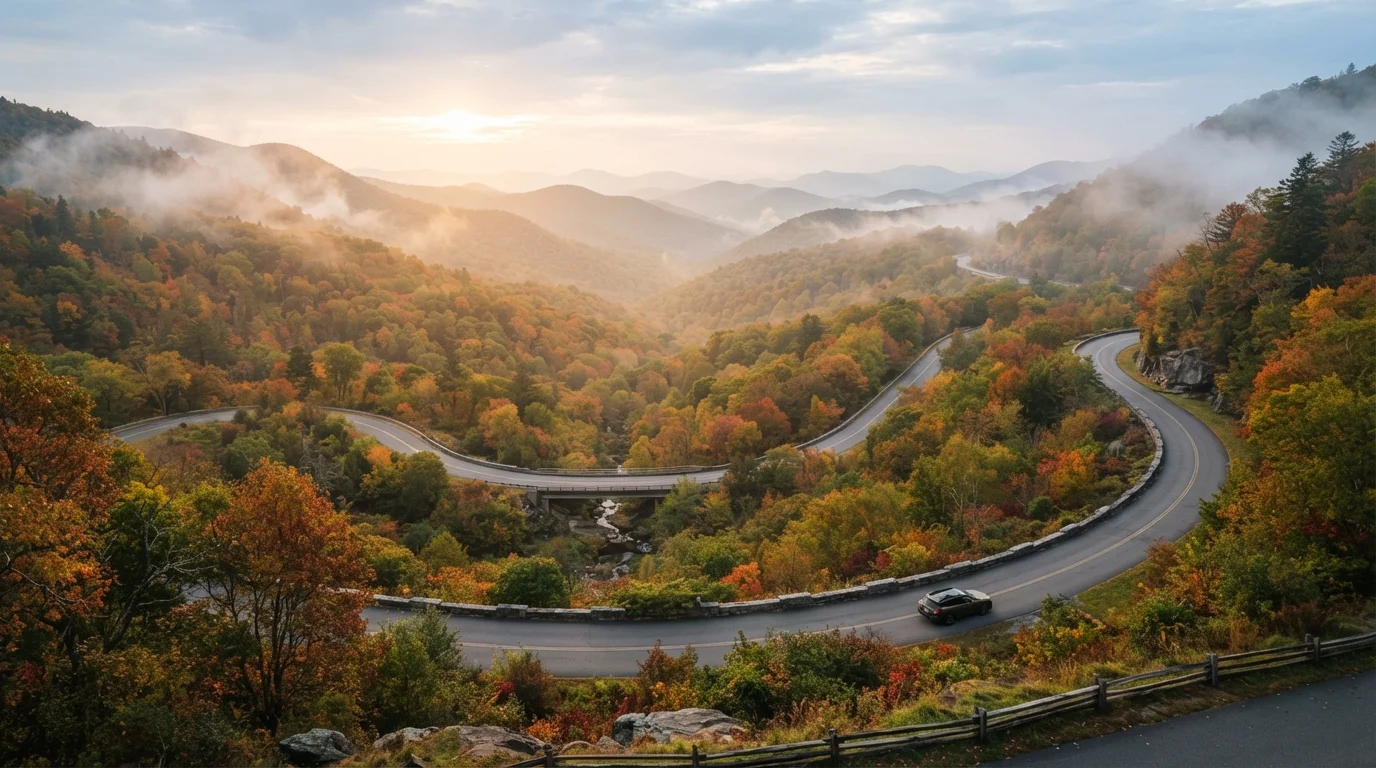
Photo: MyUrbanEscapes.net | Small Escapes. Big Experiences. editorial
—— In This Article
Key Takeaways
- Slow travel regions reward depth over distance, offering richer experiences with less physical strain.
- The Blue Ridge Parkway, Oregon coast, and Gulf Coast are among the most accessible slow-travel corridors in the US.
- Each region covered here offers mild terrain, nearby healthcare, and low-pressure logistics suited to older travelers.
- Many of these regions work equally well for RV travelers, road trips, or extended rental stays.
- Choosing a single region and staying longer reduces fatigue and increases genuine connection to a place.
Why Unhurried Travel Works Better for Many Older Americans
Not every worthwhile trip requires a packed itinerary. For travelers aged 60 and older, slowing down often yields the most satisfying journeys — time to absorb a landscape, revisit a favorite trail, linger over local food, or simply rest without a departure schedule pressing in. The regions below were selected because they reward exactly this kind of travel: they have inherent depth, forgiving terrain, manageable logistics, and the kind of infrastructure that supports stays of a week or more without stress.
If you're weighing whether a coastal setting or an inland one better suits your style, our guide on coastal towns versus inland cities covers that tradeoff in detail. For those considering extending a trip into weeks rather than days, slow travel in warm climates outlines how an extended stay changes the experience entirely.
Pace Your Travel Days Deliberately
Slow travel works best when you build in genuine rest days — not just shorter driving days. Aim to spend at least two nights in each location before moving on. This gives your body time to adjust, reduces logistical stress, and creates space for the kind of spontaneous local discoveries that make a trip memorable.
US Regions That Reward Slow, Relaxed Travel
The Blue Ridge Parkway Corridor, Virginia and North Carolina
The Blue Ridge Parkway stretches 469 miles through the Appalachian Highlands, connecting Shenandoah National Park in Virginia to Great Smoky Mountains National Park in North Carolina. Its design philosophy — no commercial vehicles, no traffic signals, frequent pull-offs — makes it one of the most naturally paced drives in the country. Elevations range from under 1,000 feet to over 6,000 feet, so travelers can choose sections that match their comfort with altitude and terrain.
Towns along the corridor, including Blowing Rock, North Carolina and Floyd, Virginia, offer walkable main streets, local craft culture, and reasonable accommodation options. The parkway's visitor centers are spaced to allow easy day-trip planning without long commitments, and the region's hospitals and urgent care facilities are accessible from most points along the route. Fall foliage season draws the largest crowds; spring and early summer offer wildflower blooms with considerably lighter traffic.
The Parkway's no-rush design — no commercial trucks, no traffic signals — makes it ideal for unhurried travel.
The Oregon Coast
Oregon's coastline runs roughly 363 miles along US Route 101, and nearly all of it is publicly accessible — Oregon law designates the entire shoreline as public land. The coast is organized around small, distinct towns: Cannon Beach, Newport, Florence, and Brookings each have their own character, making it practical to spend several days in one location before moving south or north. The terrain is predominantly flat along the shore itself, with steeper headlands accessible via short, well-maintained trails for those who want them.
The climate is mild year-round by most standards, though coastal fog and rain are common from October through March. Summer and early fall offer the most consistent dry weather. Highway 101 carries manageable traffic outside of peak summer weekends, and the towns along it are sized for unhurried exploration on foot. Healthcare facilities are concentrated in larger hubs like Newport and Coos Bay, worth noting when planning extended stays in more remote stretches.
Oregon law makes the entire coastline publicly accessible — an open invitation to explore at your own pace.
The Gulf Coast, Alabama and Mississippi
Alabama's Gulf Shores and Mississippi's Gulf Coast are among the most underappreciated slow-travel regions in the American South. The terrain is almost entirely flat, the beaches are wide and gently sloping, and the pace of life in towns like Fairhope, Alabama and Ocean Springs, Mississippi is genuinely unhurried. Both towns have walkable historic districts, local arts communities, and restaurants that favor regional seafood and Southern cooking over chain alternatives.
The Gulf Coast's warmest months run from May through September, with mild winters attracting a steady population of longer-stay visitors from colder northern states. Pensacola, Florida — just across the state line from Gulf Shores — provides access to a regional airport with multiple daily connections, making arrival and departure straightforward. For those interested in accessible warm-weather destinations more broadly, the warm weather escapes hub covers additional options across the country.
Flat terrain, mild winters, and genuinely walkable towns make the Alabama and Mississippi Gulf Coast easy to navigate.
The Northern New Mexico High Desert
The region anchored by Santa Fe and Taos offers a rare combination of cultural depth, striking landscape, and a pace that rewards days spent looking rather than moving. Santa Fe sits at 7,000 feet elevation — relevant for visitors with respiratory or cardiovascular considerations, who should allow a full day or two for acclimatization. The city's downtown Plaza is walkable and compact, with world-class museums including the New Mexico Museum of Art and the Museum of International Folk Art within a short radius.
The drive north along the High Road to Taos passes through historic Hispanic villages, open mesa country, and the Rio Grande Gorge, all of which merit unhurried stops. Taos itself has a smaller footprint than Santa Fe and is well suited to two or three days of relaxed exploration. Both cities have hospitals, and Albuquerque's international airport — roughly an hour south of Santa Fe — handles connections from most major US hubs. Winter brings snow to higher elevations; spring and fall are considered ideal for comfortable travel.
Santa Fe's walkable downtown and world-class museums make it one of the most culturally rewarding slow-travel stops in the US.
The Upper Mississippi River Valley, Iowa and Wisconsin
The stretch of the Mississippi River between Dubuque, Iowa and La Crosse, Wisconsin runs through bluff country that most travelers overlook entirely. The Great River Road National Scenic Byway traces both banks, passing through small river towns — Galena, Illinois; Prairie du Chien, Wisconsin; McGregor, Iowa — that retain their 19th-century commercial architecture with minimal alteration. These towns are quiet outside of summer weekends, affordable relative to coastal destinations, and genuinely rewarding for travelers drawn to American history and river culture.
The terrain along the river valley floor is flat; the bluffs above are accessible via short drives rather than demanding hikes. The region has a true four-season climate, and the stretch from late May through October offers the most comfortable conditions. For travelers interested in exploring the region by RV, this corridor is one of the better options in the Midwest — see the top RV destinations hub for campground guidance along Great River Road routes.
The Great River Road through bluff country offers authentic American history and river scenery with almost no crowds.
Elevation and Health Considerations
Two of the regions listed — the Blue Ridge Parkway and Northern New Mexico — include areas above 6,000 feet. Altitude can affect sleep quality, energy levels, and cardiovascular exertion, particularly for travelers with heart or lung conditions. This is general information only; consult your healthcare provider before traveling to high-elevation destinations if you have any relevant health concerns.
Planning Your Unhurried Trip
Each of these regions benefits from flexible arrival and departure dates rather than rigid touring schedules. Building in buffer days for weather, rest, or spontaneous detours makes a material difference in how refreshed you feel at the end of a trip. RV travelers will find that a slower pace through these corridors often suits them best — our guide to slow travel by RV explains why fewer miles and longer stays often yield a better journey overall.
For travelers who prefer urban anchors alongside natural scenery, accessible cultural hubs across America pairs well with any of the regions listed here as a starting or ending point. The common thread across all unhurried travel, whether domestic or abroad, is prioritizing presence over pace — a principle that translates to more meaningful and less exhausting trips regardless of destination.

Top Destinations Editorial Team
Top Destinations Editorial Team is the collective byline for our editorial team and contributor network. Articles published under this byline or an editorial pen name are researched, written, and reviewed according to our editorial standards for clarity, consistency, and independence before publication.
View author profile