
Why Portugal Has Become a Favourite European Destination for Senior Travelers
From flat coastal promenades to affordable healthcare access, discover what makes Portugal so well-suited for older international travelers.
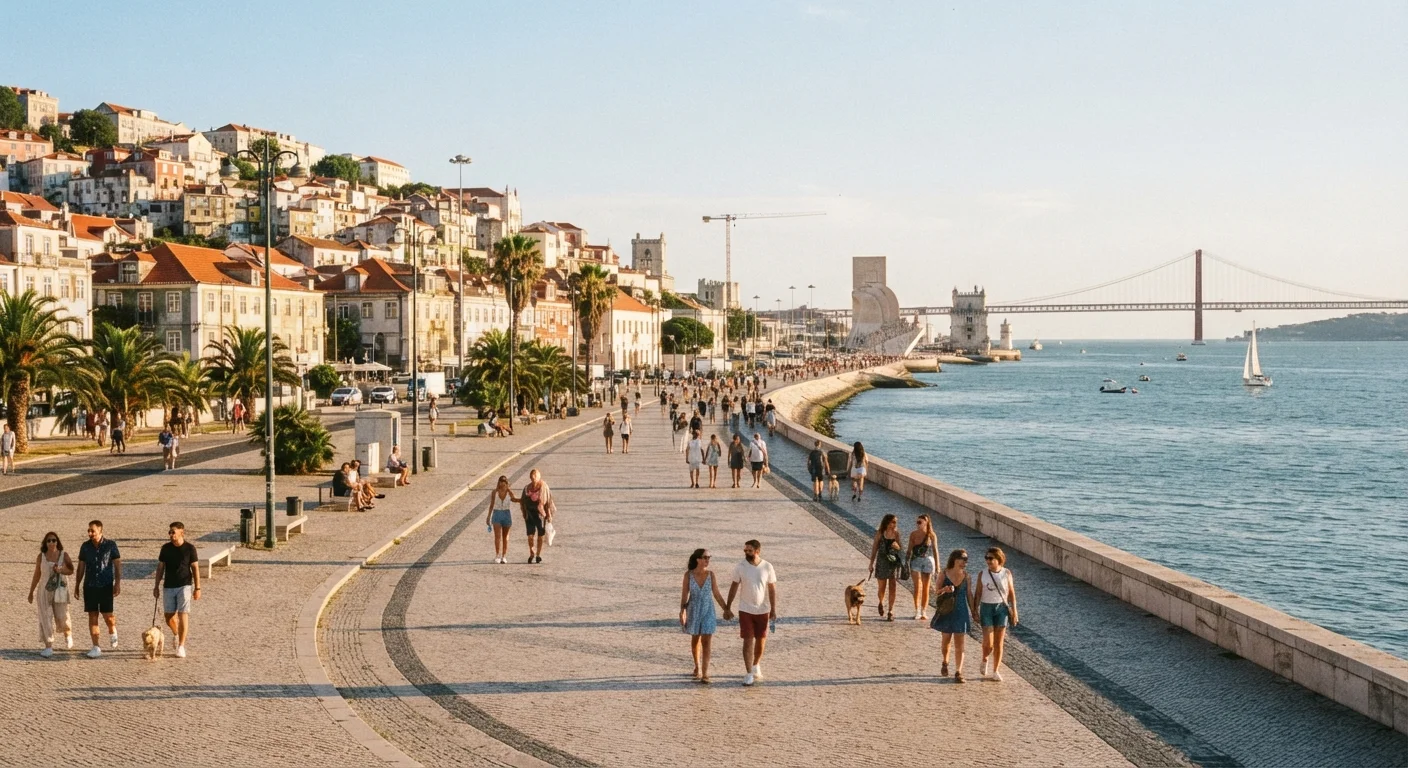
Photo: MyUrbanEscapes.net | Small Escapes. Big Experiences. editorial
—— In This Article
Key Takeaways
- Portugal's coastal cities feature flat promenades and extensive public transit that reduce walking strain.
- The country's mild Atlantic climate avoids the intense summer heat common across the rest of southern Europe.
- Portugal ranks among Europe's more affordable countries for daily expenses, including dining and transport.
- Lisbon and Porto both have internationally accredited hospitals within accessible distance of main tourist areas.
- English is widely spoken in hospitality, medical, and transport settings throughout Portugal's major cities.
- Non-stop transatlantic flights from several U.S. cities make Portugal logistically straightforward for American seniors.
What Sets Portugal Apart from Other European Destinations
Plenty of European countries attract older American travelers, but Portugal has accumulated a distinct combination of advantages that few rivals can match in a single destination. Understanding what those advantages actually are — rather than accepting vague promotional language — helps seniors make a genuinely informed decision. For a grounding in what criteria should matter most, learn what "senior-friendly" actually means when researching international destinations.
Portugal's position on the Atlantic edge of Europe gives it a climate that behaves differently from Mediterranean Spain or Greece. Summer highs in Lisbon rarely exceed the low 80s Fahrenheit, and coastal breezes moderate even the warmest days. The Algarve, Portugal's southern coast, stays warm through October — useful for seniors who prefer to travel outside peak summer crowds. Warm-weather destinations appeal to senior travelers for reasons that go beyond comfort; milder climates reduce heat-related fatigue during sightseeing.
~6–7 hrs
Flight time from U.S. East Coast to Lisbon
Among the shortest transatlantic options to western Europe, reducing travel fatigue for senior passengers.
Top 5
Portugal's rank in Global Peace Index (Europe)
Portugal has consistently ranked among the safest countries in Europe according to the Institute for Economics and Peace's Global Peace Index.
300+
Annual days of sunshine in the Algarve
The Portuguese national tourism authority cites the Algarve as one of Europe's sunniest coastal regions, supporting year-round visitation.
Terrain, Transit, and Daily Logistics
Lisbon is famously hilly, and that reality deserves honest treatment. The Alfama district and Bairro Alto involve steep, uneven cobblestone streets that can be genuinely challenging for travelers with knee issues or balance concerns. However, the city's funiculars, elevators (including the iconic Elevador de Santa Justa), and the flat riverside Belém district offer real alternatives. Porto's Ribeira waterfront and the broad avenues of both cities' newer neighborhoods are far more navigable.
Public transit is a practical asset. Lisbon's metro reaches the airport, the main train station, and coastal resort towns. Porto's metro system, completed in stages since 2002, connects the historic center, the airport, and the beachside suburb of Matosinhos. Intercity rail between the two cities takes under three hours. For those drawn to the slower rhythms that make European cities memorable, European cities that reward a slower travel pace offers broader context on how Portugal fits into that category.
Plan Routes Around Terrain Before You Arrive
Before booking accommodation in Lisbon, use street-level mapping tools to check the gradient around your hotel. Staying in the Belém, Marquês de Pombal, or waterfront Cais do Sodré areas gives you significantly flatter daily terrain than hilltop neighborhoods. Porto's Vila Nova de Gaia waterfront is similarly level and connects by cable car to higher viewpoints — so you can enjoy the panorama without the climb.
Cost, Healthcare, and Practical Considerations
Portugal remains one of western Europe's more affordable countries for daily travel expenses. Restaurant meals, local transport passes, and museum admissions are generally priced below comparable costs in France, the Netherlands, or Scandinavia. Many national museums offer reduced admission for visitors over 65, and some are free on certain mornings. For seniors exploring how Portugal compares on value, Portugal's affordability profile for senior travelers goes deeper on daily costs.
Healthcare access is a legitimate planning consideration for any international trip. Lisbon and Porto have private hospitals with English-speaking staff and international patient services. Travel health insurance that includes medical evacuation coverage is strongly recommended; travelers should consult their own physician and insurance provider well before departure. Portugal also has a relatively high density of pharmacies, which can assist with minor medication needs.
Direct flights from New York (JFK), Newark, Boston, and Miami to Lisbon reduce transit fatigue significantly — a non-trivial advantage for seniors managing long-haul travel. The flight time from the U.S. East Coast to Lisbon, roughly six to seven hours, is among the shortest transatlantic options to continental Europe. Compared with Spain's accessible secondary cities, Portugal requires fewer connecting legs for most American travelers.
Cultural Richness at a Manageable Pace
Portugal's appeal isn't purely logistical. The country has a cultural depth — Fado music, Manueline architecture, azulejo tile traditions, and a seafaring history embedded in its museums and monuments — that rewards slow, curious exploration rather than rushed sightseeing. Sintra's palaces and gardens, a short train ride from Lisbon, can be visited over a full day without pressure. The Douro Valley wine region, navigable by river cruise or scenic train, offers scenery without physical exertion.
The pace of Portuguese daily life suits senior travelers well. Lunch remains a leisurely two-course affair in most traditional restaurants. Café culture encourages sitting, watching, and taking time. That unhurried rhythm — culturally built into the country rather than manufactured for tourists — is one of the more durable reasons older visitors consistently describe Portugal as genuinely relaxing rather than merely scenic. Affordable coastal destinations that suit older travelers include Portugal's Algarve among the most compelling options worldwide for exactly this combination of accessibility and ease.
This article is for general informational purposes only. Travel conditions, entry requirements, healthcare access, and costs can change; verify all details with official government sources and qualified professionals before making travel decisions. This article does not constitute medical or financial advice.
Frequently Asked Questions

Top Destinations Editorial Team
Top Destinations Editorial Team is the collective byline for our editorial team and contributor network. Articles published under this byline or an editorial pen name are researched, written, and reviewed according to our editorial standards for clarity, consistency, and independence before publication.
View author profile