
European Cities That Reward a Slower Travel Pace
Not every great European city demands endless walking. These destinations shine when explored at a relaxed, unhurried pace ideal for senior visitors.
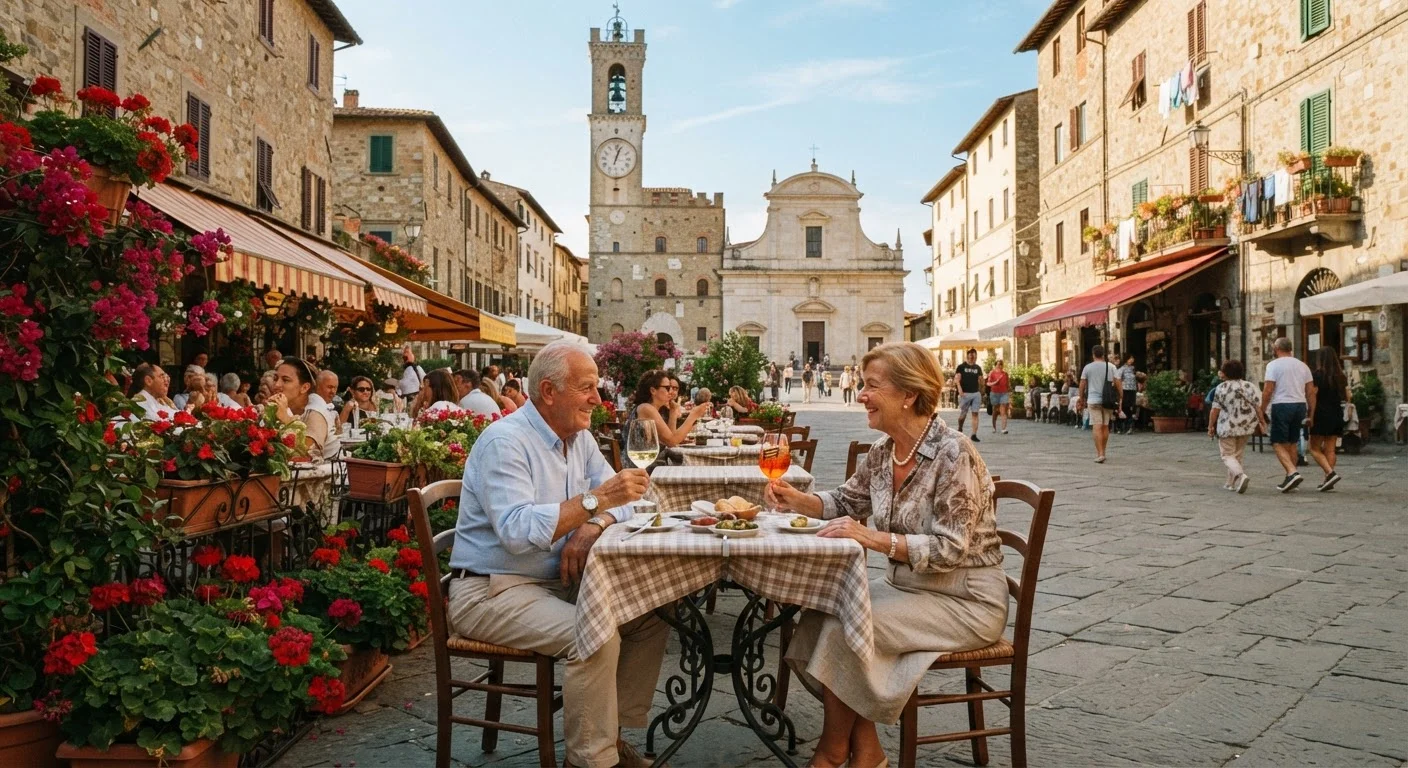
Photo: MyUrbanEscapes.net | Small Escapes. Big Experiences. editorial
Key Takeaways
- Several European cities combine compact layouts, flat terrain, and rich culture for unhurried senior travel.
- Accessible public transit and walkable historic centers reduce physical strain without limiting what you can see.
- Smaller crowds, mild climates, and quality local healthcare infrastructure add meaningful comfort and security.
- Spending more days in fewer cities typically yields a deeper, more satisfying travel experience.
Why Pace Matters More Than Coverage
The instinct to maximize a European trip — filling every day with new cities, museums, and monuments — often works against the traveler. For seniors especially, the cities that leave the strongest impression are rarely the ones checked off a list at speed. They are the places where you had time to sit, observe, eat well, and return to a favorite square twice in the same day.
The six cities in this list share a set of practical qualities that make slower travel not just pleasant but genuinely achievable: compact historic centers, accessible terrain, reliable public transit, English-friendly environments, and proximity to quality healthcare. None requires a punishing itinerary to feel well-explored. If you are weighing European destinations against domestic alternatives, our overview of US regions that reward slow travel offers a useful comparison.
Plan Around Shoulder Season for the Best Experience
April through early June and September through October typically offer milder temperatures, thinner crowds, and lower accommodation costs across most European cities. For senior travelers prioritizing comfort and calm, these windows are generally preferable to peak summer. Booking accommodations centrally within the historic core also reduces the transit burden of getting around each day.
Six European Cities Worth Slowing Down For
Porto, Portugal
Porto rewards exactly the kind of travel that suits seniors best: sitting at a riverside café, walking a few blocks to a wine cellar, then resting at a viewpoint over the Douro. The city's historic Ribeira district is compact and largely navigable without long distances, and Porto's metro system handles the steeper gradients that can challenge walkers. English is spoken widely, and Portugal's public healthcare system provides a reassuring safety net. For deeper context on why Portugal consistently draws senior travelers, see our piece on why Portugal suits older international visitors.
Porto's compact Ribeira district and metro system make exploration manageable without exhausting long walks.
Bologna, Italy
Bologna is one of Italy's most practical cities for seniors precisely because it is built for comfort. Its famous arcaded porticos — covered walkways stretching for miles through the city center — provide shade in summer and shelter from rain year-round, allowing unhurried exploration regardless of weather. The city is relatively flat compared to much of Tuscany, and its medieval core is concentrated enough that most key sights are within 20 minutes of one another on foot. Bologna's food culture, centered on sit-down meals rather than frantic sightseeing, naturally encourages a slower rhythm. Direct rail connections to Florence, Venice, and Milan make day trips manageable without committing to a rushed itinerary.
Bologna's miles of covered porticos let seniors explore the city center comfortably in any weather.
Bruges, Belgium
Bruges is essentially a self-contained medieval city small enough to understand in a few days — which is precisely its appeal. The canal-lined center is largely car-free, the terrain is flat throughout, and the city's modest size means you are never far from your hotel when you need a rest. Crowd levels are highest on summer weekends; visiting mid-week or in spring and autumn makes the cobblestone lanes considerably more peaceful. Several good hospitals serve the broader region, and Belgium's rail network provides convenient access to Brussels and Ghent if you want variety without long drives.
Bruges is flat, car-free, and compact enough to explore thoroughly without ever feeling overwhelmed.
Seville, Spain
Seville's Barrio Santa Cruz neighborhood — the historic Jewish quarter — was designed for wandering: narrow shaded lanes, interior courtyard gardens, and plazas where benches are plentiful. Outside of July and August, when temperatures can become extreme, Seville's climate is mild and genuinely pleasant for daytime exploration. The city has invested heavily in accessible infrastructure, and much of the historic core is pedestrianized. Seville also serves as a useful base for those interested in Spain's smaller, culturally rich cities, a topic covered in detail in our guide on why senior travelers are choosing Spain's secondary cities.
Seville's shaded historic lanes and pedestrianized core make it naturally suited to a relaxed senior pace.
Ljubljana, Slovenia
Ljubljana may be Europe's most underrated slow-travel capital. The city center is almost entirely car-free within its historic core, the Ljubljanica River runs through it at a leisurely pace, and nearly every major attraction — the castle, the covered market, the café-lined embankment — is within 15 minutes on foot. Slovenia is an EU member with high-quality public healthcare, and Ljubljana's international airport handles direct connections from several European hubs, easing arrival logistics. The city's scale never feels intimidating, and its café culture actively encourages long afternoons spent doing very little at all.
Ljubljana's car-free center and compact layout make it one of Europe's most effortlessly senior-friendly capitals.
Valletta, Malta
Valletta holds the distinction of being the European Union's smallest capital city by area, which makes it uniquely manageable. English is an official language alongside Maltese, eliminating communication friction for American visitors. The city's Baroque architecture, harbor views, and world-class museums are distributed across just a few dozen streets. Malta's warm climate extends well into autumn, providing a longer window for comfortable outdoor exploration than most northern European destinations. Cruise passengers often see only the key monuments; staying several nights reveals quieter streets, neighborhood cafés, and an afternoon pace that genuinely restores energy.
English is an official language in Malta, removing communication barriers that can add stress for senior travelers.
Verify Entry and Health Requirements Before You Travel
Entry rules, visa requirements, and recommended vaccinations for European destinations can change. Always check current requirements with the U.S. Department of State and relevant embassy websites before booking. If you have existing health conditions, consult your physician about travel-specific considerations well in advance of your trip.
Each of these cities rewards longer stays over rapid transit. Rather than treating them as single-day stops, consider anchoring your itinerary in one or two and using rail connections for optional day trips when energy and interest align — not because the schedule demands it.
Travelers drawn to the broader slow-travel philosophy — spending more time in fewer places — will find similar thinking applied to road travel in our article on slow travel by RV.

Top Destinations Editorial Team
Top Destinations Editorial Team is the collective byline for our editorial team and contributor network. Articles published under this byline or an editorial pen name are researched, written, and reviewed according to our editorial standards for clarity, consistency, and independence before publication.
View author profile