
Staying Connected and Safe: Essential Practices for Senior RVers at Remote Campgrounds
From cellular signal boosters to emergency contact protocols, these practices help senior RVers feel secure at campgrounds far from urban centers.
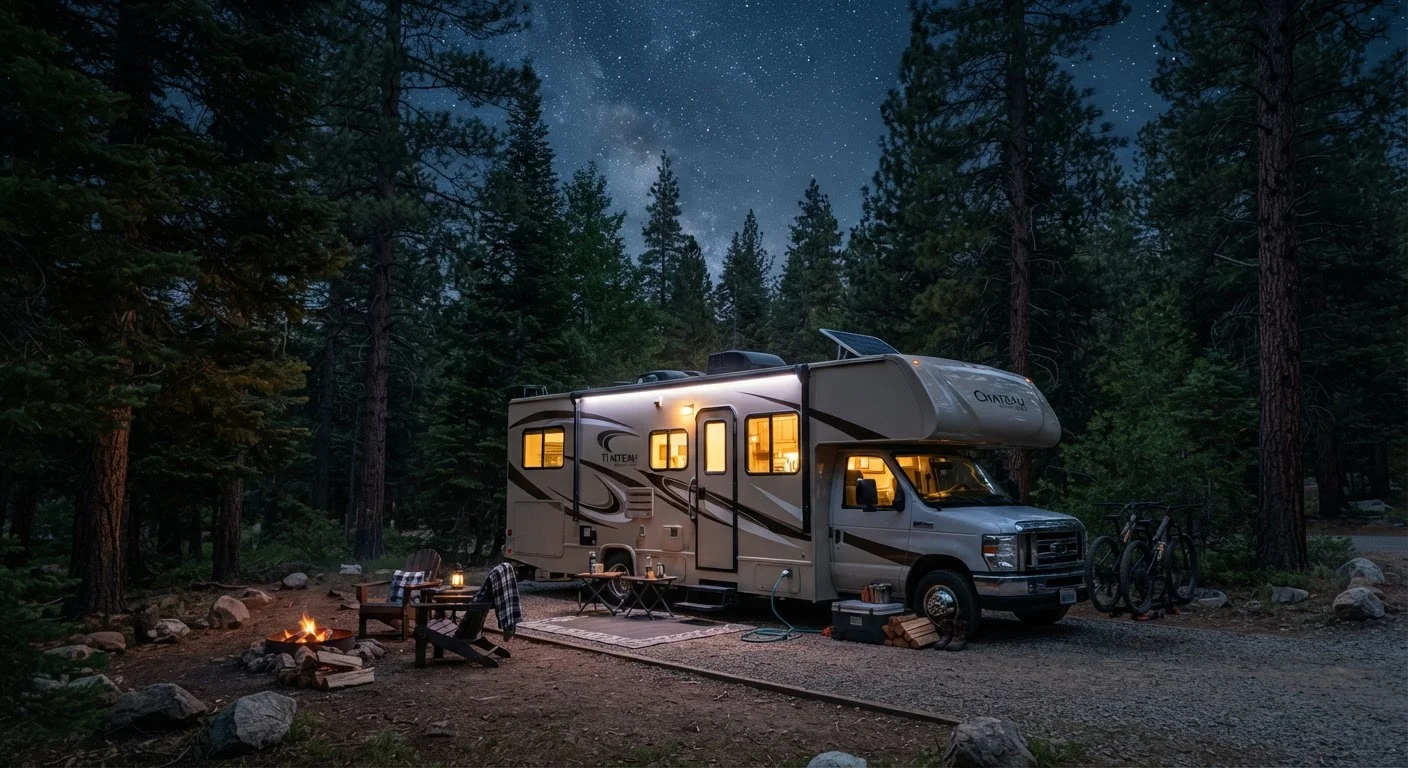
Photo: MyUrbanEscapes.net | Small Escapes. Big Experiences. editorial
—— In This Article
Key Takeaways
- A cellular signal booster and satellite communicator together cover most remote communication gaps.
- Sharing a detailed trip itinerary with a trusted contact at home is a low-cost, high-impact safety step.
- Knowing your nearest urgent care or hospital before you arrive reduces decision-making pressure in an emergency.
- Establishing a daily check-in routine helps others notice quickly if something goes wrong.
- Simple campsite setup habits — like leveling carefully and checking footing — prevent many common RV injuries.
Why Remote Campgrounds Require Extra Planning for Senior RVers
Remote campgrounds deliver what many senior RVers travel for: quiet, wildlife, dramatic scenery, and a genuine sense of escape. But distance from towns also means distance from cell towers, urgent care clinics, and roadside assistance. Planning for that gap — before you leave your driveway — is what separates an enjoyable backcountry stay from a stressful one.
This isn't about avoiding remote spots. It's about arriving prepared so you can fully enjoy them. As our guide to RV travel after 60 explains, modest adjustments to planning habits can make a significant difference in confidence and safety on the road.
Communication Tools That Actually Work Off the Grid
Cellular coverage maps are optimistic. The moment you drop into a valley or park behind a ridge, your signal can disappear entirely. Senior RVers heading to remote campgrounds should plan communication in layers rather than relying on any single device.
For a deeper look at how to combine these tools into a reliable system, see our article on staying connected on the road for senior RVers.
Emergency Protocols Every Senior RVer Should Have in Place
Good emergency planning is done calmly at home, not urgently in the field. Before each remote trip, complete these steps:
- Research your nearest medical facility for every planned campground stop — not just the closest town, but the nearest urgent care or hospital with relevant capabilities for your health needs.
- Carry a printed medical summary including current medications, allergies, primary care provider contact, and any implanted devices or chronic conditions. Keep one copy in the RV and one in a wallet or purse.
- Pre-program local emergency numbers into your phone. 911 may work, but some rural areas route calls differently or have county-specific dispatch systems.
- Know your GPS coordinates — most smartphones can display these even without cell service. Emergency dispatchers and search-and-rescue teams can use coordinates when an address doesn't exist.
Our emergency preparedness reference guide covers kit contents, roadside protocols, and medical alert considerations in detail.
Campsite Safety Habits That Prevent the Most Common Problems
Many of the incidents that send RVers to urgent care are not dramatic emergencies — they're slips on wet steps, ankle turns on uneven ground, or propane issues caught too late. Consistent campsite habits address these before they become problems.
Solo travelers face a particular version of this challenge. If you're planning a solo remote trip, our article on solo RV travel as a senior addresses safety planning and communication strategies tailored specifically to traveling alone.
“Preparation is the most underrated form of freedom. The traveler who plans for uncertainty is the one who can actually relax when they arrive.”
— RV Travel Editorial Team, Senior RV Travel Writers and Editors
For destination ideas where scenic access and campground amenities are already senior-friendly, the national parks RV circuit is an excellent starting point.
This article provides general travel safety information for educational purposes. It is not a substitute for professional medical, legal, or emergency-services advice. Always consult qualified professionals and verify emergency resources for your specific destination before traveling.

Rv Travel Editorial Team
RV Travel Editorial Team is the collective byline for our editorial team and contributor network. Articles published under this byline or an editorial pen name are researched, written, and reviewed according to our editorial standards for clarity, consistency, and independence before publication.
View author profile