
Class A, B, and C RVs: Which Size Makes Sense for Aging Travelers
A practical comparison of motorhome classes by maneuverability, interior space, and ease of use for senior travelers.
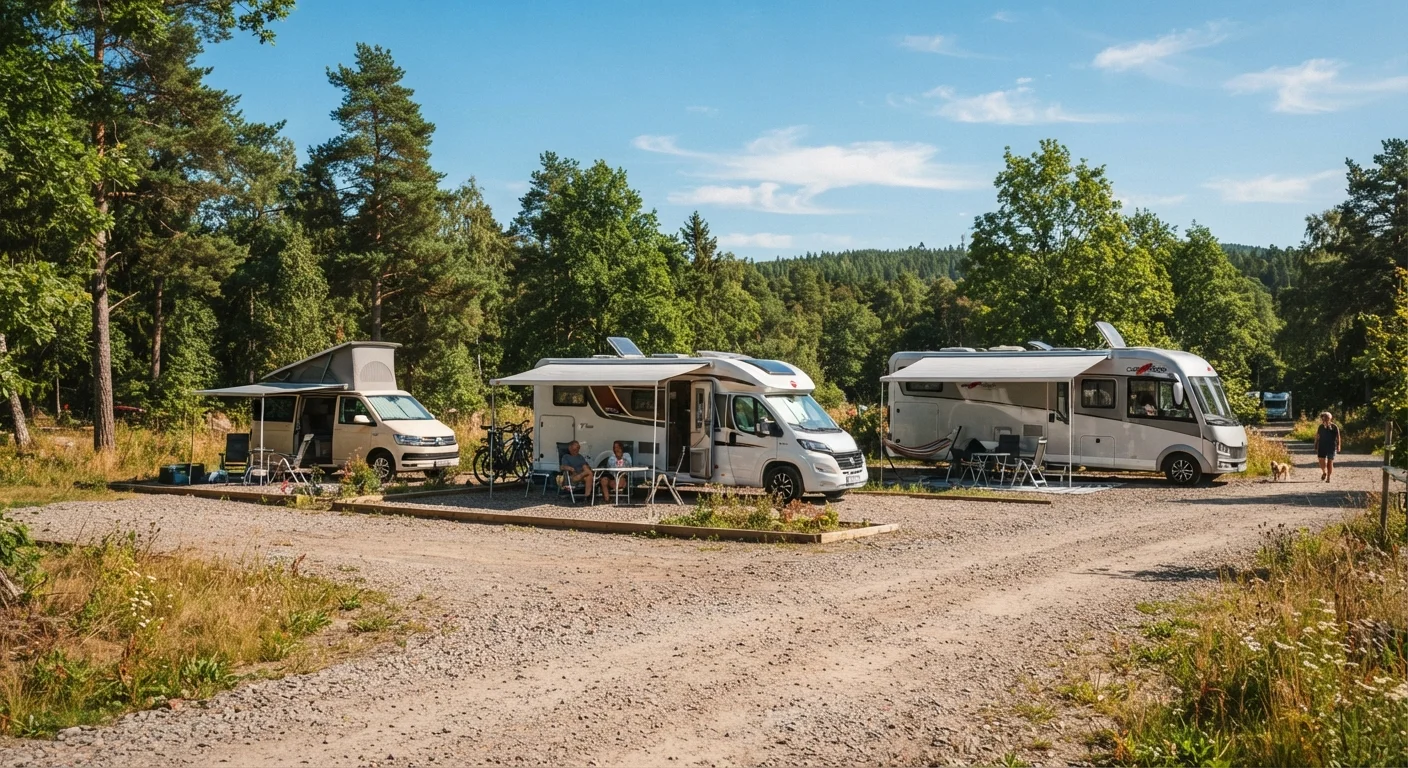
Photo: MyUrbanEscapes.net | Small Escapes. Big Experiences. editorial
—— In This Article
Key Takeaways
- Class B campervans are easiest to drive and park, making them well-suited for solo seniors or those with limited driving confidence.
- Class A motorhomes offer the most interior space and accessibility features, but require more driving skill and campsite planning.
- Class C motorhomes strike a middle ground, combining manageable size with enough room for comfort and mobility aids.
- Ease of entry, interior layout, and driving visibility all matter more for aging travelers than for younger RVers.
- Renting before buying any motorhome class is a practical way to assess fit without a long-term commitment.
Why RV Class Matters More as You Age
Choosing between a Class A, B, or C motorhome is a decision that involves more nuance for older travelers than it might for younger ones. Physical factors — joint stiffness, reduced reaction time, changes in depth perception, and the need for mobility aids — all shift which features matter most. A layout that seemed convenient at 50 may feel genuinely difficult at 70.
As you review your options, consider not just where you want to go, but how you'll move through the vehicle each day, how confidently you'll handle it at highway speeds, and whether the entry steps, bathroom layout, and sleeping arrangement genuinely support your body. See our guide to RV travel after 60 for a broader look at how aging affects trip planning decisions.
Class A Motorhomes: Maximum Space, Higher Demands
Class A motorhomes are the largest category, typically ranging from 26 to 45 feet in length. They're built on a bus or commercial truck chassis and offer the most residential-style interiors — full kitchens, walk-in showers, and sometimes even washer-dryer units.
For seniors with significant mobility considerations, the wide floor plans and ability to add aftermarket grab bars, raised toilet seats, and barrier-free shower stalls can make daily living considerably more comfortable. Some models feature lower-profile step systems or optional hydraulic entry steps that reduce fall risk.
The trade-offs are meaningful. Class A rigs demand real driving confidence: wide turns, limited rear visibility, and reduced maneuverability in tight campgrounds or urban areas. If you're not comfortable driving a large vehicle, this class may create stress that outweighs its comfort benefits. Campsite hookup setup can also be physically demanding. Driving adaptations for seniors with limited mobility can help offset some of these challenges if you're committed to a larger rig.
Class B Motorhomes: Simple, Nimble, and Low-Stress
Class B motorhomes — commonly called campervans — are built on a standard cargo van chassis and typically measure 18 to 24 feet. They drive much like a full-size van, park in standard spaces, and require no special licensing in most states.
For seniors who travel solo or as a couple and value independence over square footage, a Class B can be genuinely liberating. You can pull into a grocery store parking lot, navigate mountain switchbacks, and camp in sites that exclude larger rigs. The low-stress driving experience reduces fatigue on long days.
The limitations are real: floor space is tight, sleeping arrangements may require converting a seating area, and bathroom facilities are compact. Seniors who rely on walkers, rollators, or need generous maneuvering space may find Class B interiors too restrictive for daily comfort.
Try Before You Commit
Renting a Class B for a weekend trip is one of the most practical ways to assess whether the compact layout genuinely works for your mobility and sleep needs. Many RV rental companies offer short-term rentals across all three classes. A trial run can save you from a costly mismatch — and give you real confidence about the class that suits you best.
Class C Motorhomes: The Practical Middle Ground
Class C motorhomes are built on a cutaway van or truck chassis and typically range from 20 to 33 feet. The recognizable over-cab sleeping loft is a defining feature, though many seniors use that space for storage rather than sleeping. Step-in height is generally lower than a Class A, and the cab area feels more familiar to drivers used to trucks or large SUVs.
Interior layouts vary widely, but most Class C models offer a separate bedroom, full bath, and functional kitchen without requiring the driving skill of a Class A. Many experienced RV instructors suggest Class C as a strong starting point for senior first-timers — it's large enough to live in comfortably but forgiving enough to build driving confidence.
| Class A | Class B | Class C | |
|---|---|---|---|
| Typical length | 26–45 feet | 18–24 feet | 20–33 feet |
| Driving difficulty | High — requires experience | Low — van-like handling | Moderate — manageable for most |
| Interior living space | Largest, residential feel | Very compact | Comfortable for couples |
| Accessibility potential | High — widest floor plans | Low — tight quarters | Moderate — reasonable layouts |
| Entry step height | Taller, varies by model | Low, van-door entry | Moderate, lower than Class A |
| Campsite flexibility | Limited — needs large sites | Excellent — fits most sites | Good — fits most full hookup sites |
| Ideal traveler profile | Experienced drivers, mobility focus | Solo or couple, simplicity focus | First-timers, balanced needs |
If you're weighing a motorhome against towing a separate trailer, our article on towing vs. driving a motorhome covers the setup effort and accessibility trade-offs in detail.
Key Physical Comfort Factors to Evaluate
Regardless of class, evaluate these factors during any in-person walkthrough or rental trial:
- Entry steps: Count the steps, check their depth, and look for sturdy grab handles at the door frame.
- Bathroom layout: Can you comfortably turn around? Is the shower floor non-slip? Is there wall space for a grab bar?
- Bed height and access: Slide-out beds at a fixed height are generally easier than overhead bunks or convertible dinettes.
- Driving visibility: Sit in the driver's seat and check mirror coverage, blind spots, and whether backup cameras are standard.
- Storage reach: Overhead cabinets may require lifting arms above shoulder height repeatedly — assess whether that's manageable for you.
Once you've settled on a class, packing smart for your RV trip becomes the next practical step — especially important when balancing weight limits against comfort essentials.
This article provides general informational guidance only. Individual health, mobility, and driving considerations vary — consult a qualified healthcare provider or licensed driving professional for personal advice before making decisions that affect your safety on the road.

Rv Travel Editorial Team
RV Travel Editorial Team is the collective byline for our editorial team and contributor network. Articles published under this byline or an editorial pen name are researched, written, and reviewed according to our editorial standards for clarity, consistency, and independence before publication.
View author profile