
What Cruise Fitness and Wellness Centers Typically Include
From pool aerobics to spa treatments, here's what wellness facilities on cruise ships generally look like and how seniors can use them safely.
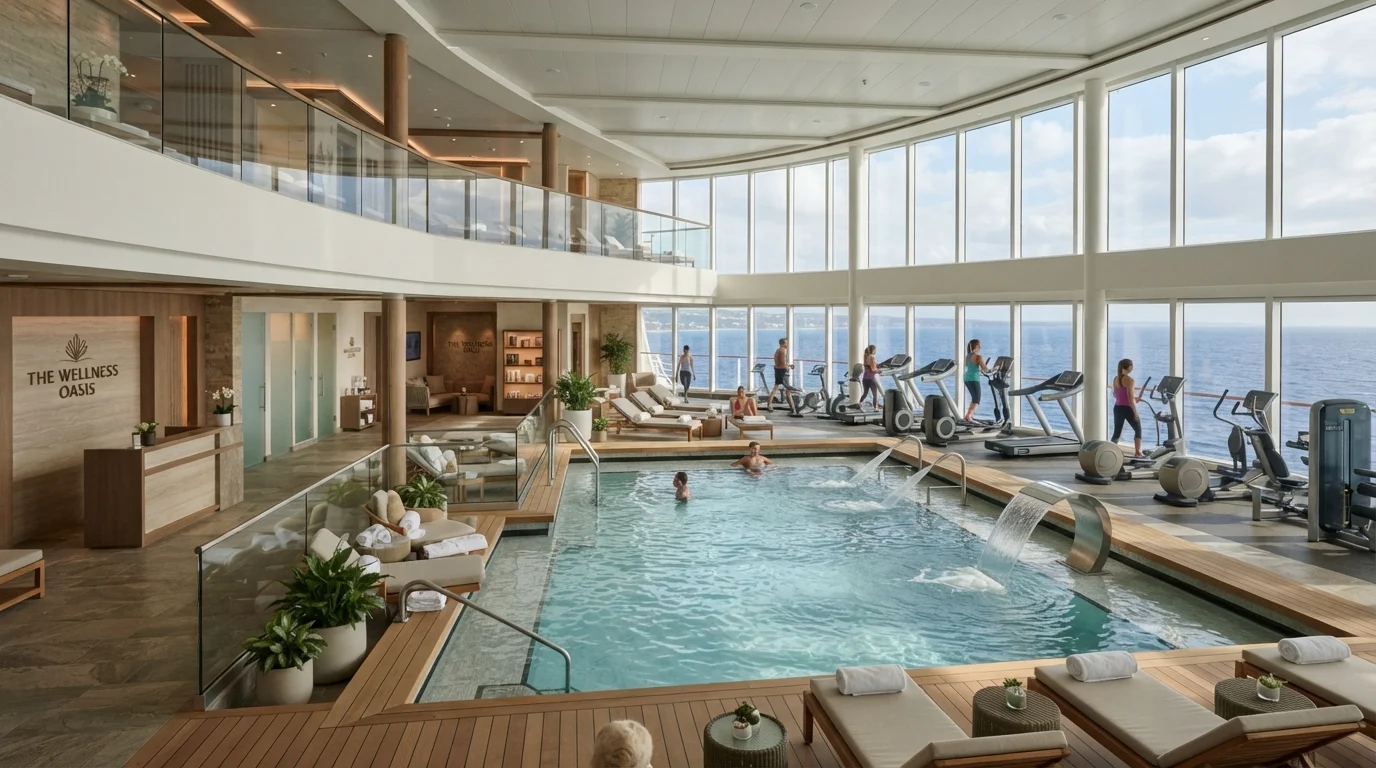
Photo: MyUrbanEscapes.net | Small Escapes. Big Experiences. editorial
—— In This Article
What to Expect From Cruise Fitness Facilities
Most mid-size to large cruise ships include a dedicated fitness center, typically located on an upper deck to take advantage of natural light and ocean views. These gyms generally offer a mix of cardiovascular machines — treadmills, stationary bikes, elliptical trainers — alongside free weights and resistance machines. Stretching areas and balance aids are increasingly common as cruise lines recognize the growing share of older passengers aboard.
For seniors, the key question is not just what equipment is available but how accessible and supervised it is. Many ships post staff during peak hours who can offer orientation on equipment use. If you have mobility considerations, it is worth asking the ship's fitness team which machines are suited to your needs before your first session. Because these facilities are general-purpose, they are not a substitute for personalized exercise guidance — always consult your own healthcare provider before starting or changing a fitness routine, especially while traveling.
Cruise ships are increasingly designed with older travelers in mind, including wider pathways in fitness areas and lower equipment thresholds.
| Typical gym hours | 6 a.m. – 10 p.m. (varies by ship) (Common range across major cruise lines) |
| Fitness center cost | Generally included in cruise fare (Personal training sessions billed separately) |
| Spa treatment cost | Additional charge; not included in standard fare (Thermal suite passes may vary in price) |
| Pool types typically available | Main pool, adults-only pool, hot tubs (Ship-dependent; check before booking) |
| Low-impact class options | Aqua aerobics, yoga, tai chi, stretch classes (Schedule varies by sailing and ship size) |
Spa and Therapeutic Services Onboard
Shipboard spas are among the most popular amenities for senior cruisers. A typical cruise ship spa offers massage therapy (Swedish, deep tissue, and hot stone variations are common), facials, body wraps, and hydrotherapy pools or thermal suites. Thermal suites — which may include saunas, steam rooms, and heated loungers — are often available on a day-pass or cruise-length basis, separate from individual treatment bookings.
Seniors should be aware that some spa treatments carry contraindications for people with certain cardiovascular conditions, blood pressure concerns, or skin sensitivities. Spa intake forms generally ask about health history for this reason, and reputable spas will decline or modify treatments where a concern exists. This is general guidance — your personal physician is the right person to advise whether specific treatments are appropriate for you. For a fuller picture of health considerations while cruising, see our complete overview of cruise health and safety for seniors.
Thermal Suite
A dedicated spa area featuring heated amenities such as saunas, steam rooms, and warm tiled loungers. Access is typically sold as a separate add-on to a cruise fare.
Hydrotherapy Pool
A warm-water pool equipped with jets designed to provide gentle massage and muscle relaxation. Found in many shipboard spas as part of a thermal suite offering.
Aqua Aerobics
Low-impact exercise classes conducted in a shallow pool. Water resistance reduces joint stress, making this format popular with older adults.
Resistance Machine
A gym machine that uses cables, pulleys, or weight stacks to provide controlled resistance for strength training, generally considered safer for beginners than free weights.
Pools, Aqua Fitness, and Low-Impact Options
Cruise ships typically maintain several pools and hot tubs. Many ships offer scheduled aqua aerobics or water walking classes in their main pools — these low-impact options are especially well-suited for passengers managing joint concerns. Hot tubs, while relaxing, carry temperature-related risks for some individuals; extended soaks in very warm water may not be appropriate for everyone, particularly those with heart conditions or who are prone to dehydration.
Beyond pools, deck walking tracks are a staple of most large ships and provide a safe, flat surface for daily movement. Some ships also offer yoga or tai chi sessions on deck during morning hours. Staying well-hydrated and eating thoughtfully supports any physical activity program at sea.
For a grounded look at how these amenities translate in practice, the article on what senior cruisers can realistically expect from onboard wellness offers useful context.
Wellness Facilities Are Not Medical Facilities
Cruise ship fitness centers, spas, and pools are amenity spaces, not clinical environments. They are not staffed by medical professionals and are not equipped to manage health emergencies. For information on actual onboard medical resources, see our article on what cruise ship health centers actually offer. Always speak with your personal physician before engaging in new physical activity or spa treatments while traveling.

Cruise Travel Editorial Team
Cruise Travel Editorial Team is the collective byline for our editorial team and contributor network. Articles published under this byline or an editorial pen name are researched, written, and reviewed according to our editorial standards for clarity, consistency, and independence before publication.
View author profile