
Why Seniors Often Overlook Rental Safety Until It's Too Late
Many older travelers assume a rental is safe once booked. These are the oversights that cause the most disruption—and how to catch them in advance.
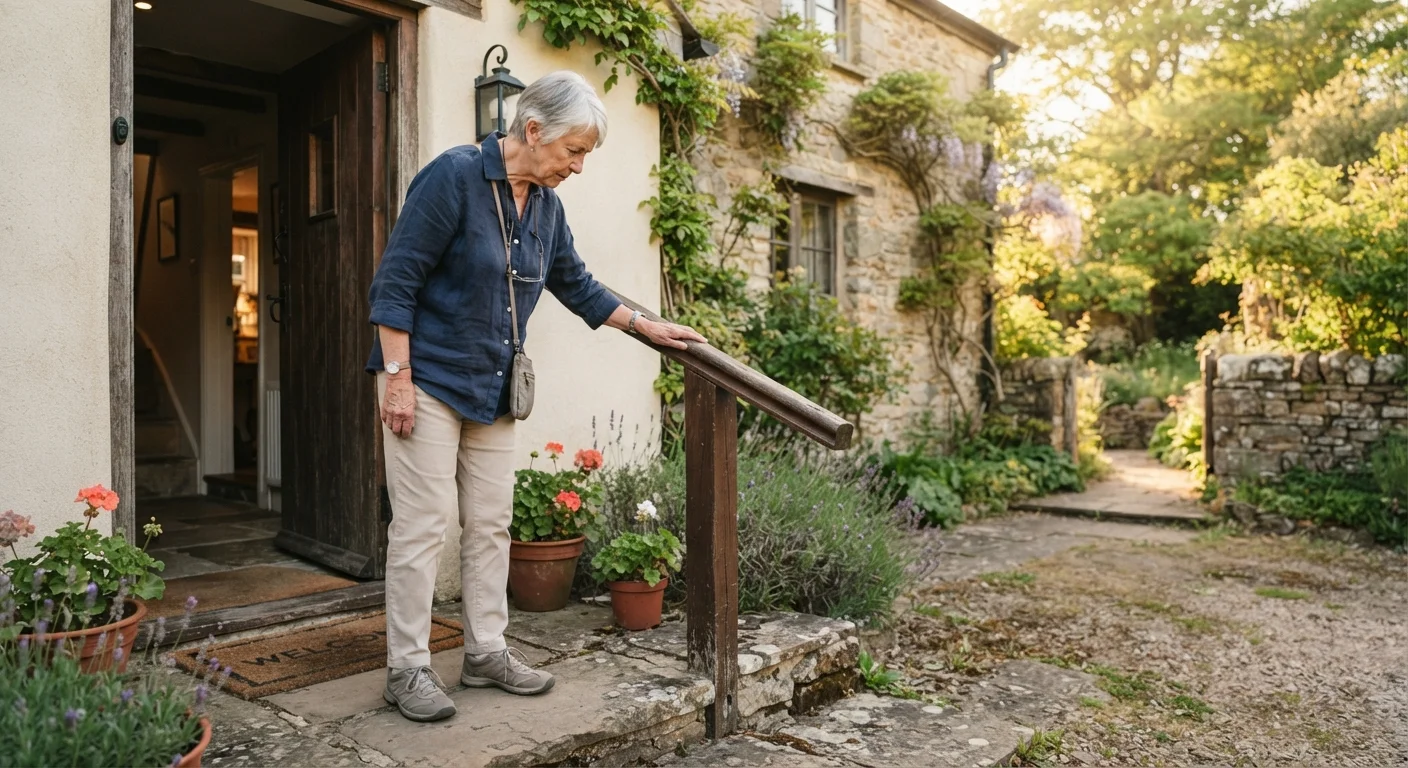
Photo: MyUrbanEscapes.net | Small Escapes. Big Experiences. editorial
—— In This Article
Key Takeaways
- Most rental listings do not automatically disclose accessibility limitations — you must ask directly.
- Assuming a property is safe because it has good reviews is one of the most common and costly mistakes.
- Checking for grab bars, step-free entry, and nearby medical facilities before booking can prevent major disruptions.
- Safety oversights often happen during the booking phase, not after arrival — early action matters most.
- Direct communication with hosts about specific mobility and medical needs significantly reduces unpleasant surprises.
Why Safety Checks Tend to Happen Too Late
For many senior travelers, the excitement of securing a rental — finding the right location, the right dates, the right price — can push safety evaluation to the background. By the time concerns arise, a deposit has been paid and cancellation windows have closed. The result is either a stressful stay or a costly rebooking.
This pattern is not a failure of awareness. It reflects how rental platforms are designed: to complete bookings quickly, with safety and accessibility details buried in listing descriptions or omitted entirely. Understanding where those gaps appear — and when to address them — puts you in a much stronger position. See our guide to assumptions that derail rental searches for additional context on what listings often leave out.
Accessibility Labels Are Not Standardized
Terms like 'accessible,' 'senior-friendly,' or 'easy access' have no universal legal definition on most vacation rental platforms. A property described as accessible may still have steps at the entrance, a tub-only bathroom, or uneven outdoor paths. Treat these labels as a starting point for inquiry, not a guarantee of suitability.
The Most Consequential Mistakes — and How to Avoid Them
The oversights below are not unusual. They represent patterns that senior travelers and their families encounter repeatedly, and all of them are preventable with targeted pre-booking action.
Assuming good reviews mean the property is physically safe for seniors.
Why it happens: Review systems reward overall guest satisfaction — cleanliness, value, and host responsiveness — not accessibility or fall-risk features. Most reviewers are younger travelers who have different physical needs.
Skipping a check for grab bars, shower seating, and bathroom safety features.
Why it happens: Bathrooms are one of the most common locations for falls, yet listings rarely photograph them in detail. Travelers often assume standard amenities include safety hardware.
Not researching the proximity of the nearest hospital or urgent care facility.
Why it happens: When planning a relaxing vacation, travelers naturally focus on attractions and comfort rather than emergency contingencies. Remote or rural rentals can feel appealingly peaceful without revealing how isolated they are.
Overlooking outdoor hazards such as uneven paths, steep driveways, and poor lighting.
Why it happens: Outdoor areas are often photographed in ideal daylight conditions that obscure surface irregularities, grades, or poor nighttime lighting.
Failing to confirm whether the primary sleeping area is on the ground floor.
Why it happens: Multi-story rentals often advertise the number of bedrooms without specifying which floor each is on. Travelers may only discover a loft staircase upon arrival.
For a broader look at safety gaps that extend beyond the rental itself, the travel safety preparation guide covers emergency contacts, documentation, and equipment readiness in detail.
Don't Rely on Listing Photos Alone
Photos are curated to show a property's best features, not its barriers. A stylish entryway photo may hide a steep step, a narrow hallway, or a slippery tile floor. Always request additional photos of bathrooms, entrances, and staircases — and ask the host direct questions about any feature that affects your safety or mobility.
Building a Pre-Booking Safety Checklist
The most effective way to prevent these mistakes is to build safety verification into the booking process itself — before payment, not after arrival.
80%
Of falls among older adults occur at home or in home-like settings
According to the Centers for Disease Control and Prevention, most fall-related injuries among adults aged 65 and older happen in residential environments, including unfamiliar ones like vacation rentals.
1 in 4
Older adults experience a fall each year
The CDC reports that approximately one in four adults aged 65 and older falls each year, underscoring the importance of evaluating physical environments before occupying them.
- Step-free entry: Confirm there are no steps between the parking area and the main entrance, or that a ramp is available.
- Bathroom safety hardware: Ask specifically about grab bars and shower seating — do not assume they exist.
- Bedroom floor location: Confirm a ground-floor bedroom with an accessible bathroom is available.
- Outdoor lighting: Ask whether paths and entry areas are lit after dark.
- Emergency services proximity: Map the nearest hospital or urgent care before confirming the booking.
Once you have confirmed a suitable property, the next step is settling in safely. Our practical arrival safety guide covers what to check on your first day — from smoke alarms to exit routes.
This article provides general travel planning information. It is not a substitute for professional medical, legal, or safety advice tailored to your individual circumstances. Always consult qualified professionals for decisions affecting your health or wellbeing.

Vacation Rentals Editorial Team
Vacation Rentals Editorial Team is the collective byline for our editorial team and contributor network. Articles published under this byline or an editorial pen name are researched, written, and reviewed according to our editorial standards for clarity, consistency, and independence before publication.
View author profile