
What Seniors Often Overlook When Planning for Travel Safety
Expired passports, unlisted emergency contacts, and untested mobility equipment — a look at the preparation gaps that leave senior travelers unnecessarily exposed.
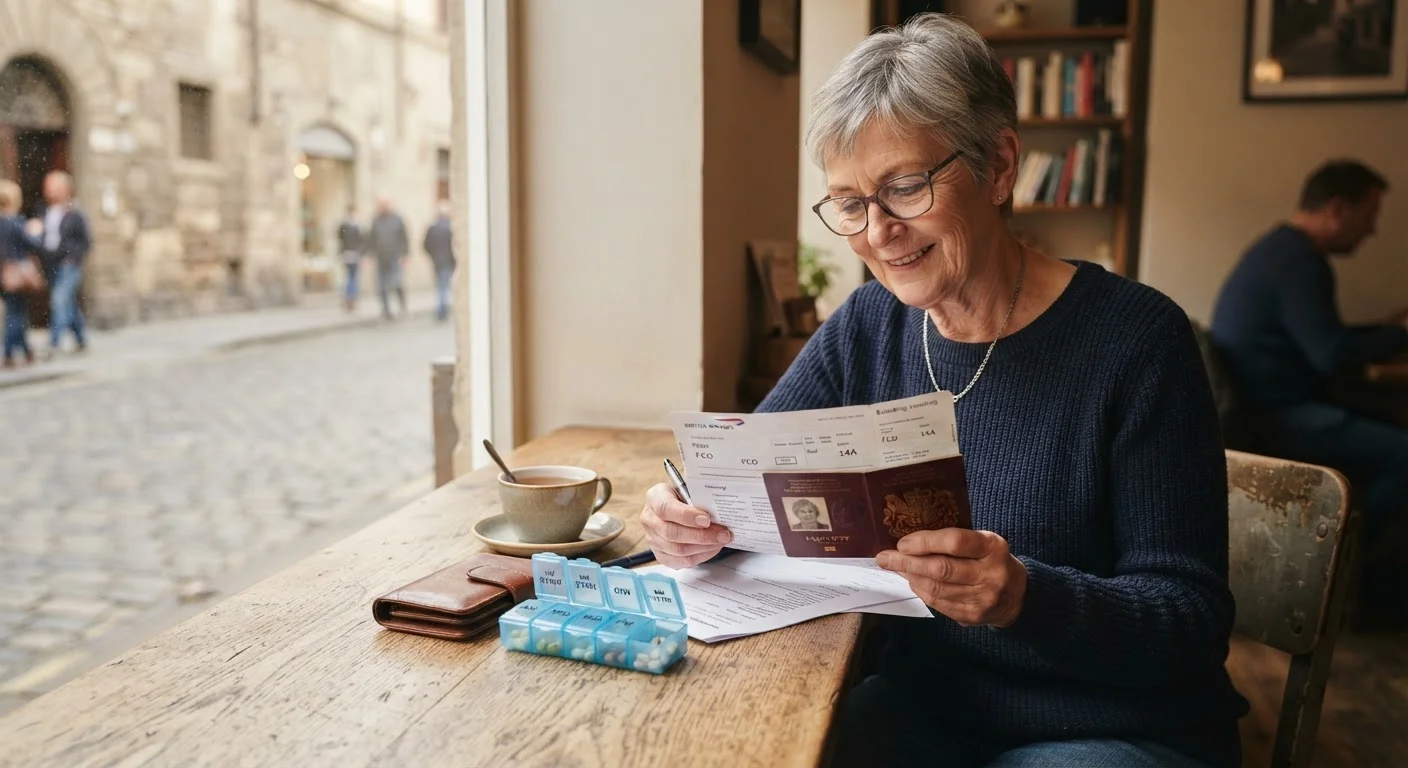
Photo: MyUrbanEscapes.net | Small Escapes. Big Experiences. editorial
—— In This Article
Key Takeaways
- Expired travel documents are among the most preventable — and most common — last-minute disruptions for senior travelers.
- Mobility aids and assistive devices should be tested and serviced before departure, not after arrival.
- Emergency contacts must be current, reachable, and aware of your itinerary to be genuinely useful.
- Destination-specific health risks, including vaccinations and food safety, are frequently underestimated by older travelers.
- Travel insurance gaps — particularly for pre-existing conditions — can result in significant out-of-pocket medical costs abroad.
Why Small Preparation Gaps Create Large Problems
Senior travelers generally bring more experience and care to trip planning than younger counterparts. Yet certain preparation gaps appear with surprising consistency — not because of carelessness, but because they involve details that feel minor until something goes wrong. An expired passport found the night before departure, a mobility scooter flagged at check-in, or an emergency contact who no longer answers their phone: these are the oversights that turn inconvenient situations into genuine crises.
The senior travel safety checklist is a useful tool for catching these gaps systematically. But understanding why they happen in the first place is equally important. Most of the mistakes below share a common thread: they involve tasks that feel already done, but haven't been recently confirmed.
This Is General Information, Not Medical Advice
The health-related guidance in this article is for general informational and educational purposes only. It is not a substitute for personalized advice from a qualified healthcare provider. Seniors with chronic conditions, mobility limitations, or complex medication regimens should consult their physician before making travel health decisions.
The Most Common Oversights — and How to Close Them
The following mistakes are drawn from the patterns most frequently reported by travel health professionals and senior travel advisors. Each one is preventable with a targeted check before departure.
Assuming a passport or ID is still valid without checking the expiration date well in advance.
Why it happens: Most people check travel documents only when booking, then set them aside. Months can pass before anyone notices an expiration date that falls during — or shortly after — the planned trip. Some countries also require six months of validity beyond your travel dates.
Listing emergency contacts who are outdated, unavailable, or unaware of the travel plans.
Why it happens: People often copy contact information from a previous trip without updating it. A contact who has changed phone numbers, moved, or hasn't been informed of the itinerary cannot provide meaningful help in a crisis.
Traveling with mobility aids or assistive devices that have not been tested, serviced, or confirmed as airline- or venue-compatible.
Why it happens: Walkers, canes, rollators, and wheelchairs often sit unused between trips. Battery-powered devices like scooters may have airline restrictions that travelers are unaware of until check-in.
Skipping destination-specific vaccinations or health consultations because the destination feels familiar or low-risk.
Why it happens: Travelers to seemingly familiar destinations — including neighbors like Canada — often assume no special health preparation is needed. Age-related immune changes can make certain infections more serious for older adults than for younger travelers.
Purchasing travel insurance without verifying that pre-existing conditions are covered.
Why it happens: Insurance confirmation emails and booking summaries can feel like complete reassurance. The specific exclusions for pre-existing conditions are typically buried in policy documents that many travelers never read.
Underestimating food and water safety risks, particularly in international or unfamiliar destinations.
Why it happens: Older adults may not realize that age-related changes in immune response can increase vulnerability to foodborne illness. Destinations that experienced travelers visit without incident may carry real risk for seniors.
Travel Insurance Exclusions Can Be Costly
Many standard travel insurance policies exclude pre-existing medical conditions unless a waiver is purchased within a specific window after initial trip deposit. Seniors who assume they are covered without reading policy details carefully may face substantial uncovered medical expenses abroad. Always review policy terms or speak with an insurance professional before purchasing.
For seniors planning more complex itineraries — including RV travel — many of these same principles apply in amplified form. Our piece on why seniors underestimate RV trip logistics covers the planning gaps specific to that format.
Building Safer Habits Before You Leave
The most effective safety habits for senior travelers aren't dramatic — they're systematic. Checking document expiration dates, confirming emergency contacts, and reviewing insurance terms take no more than a few hours spread across the weeks before departure. The difficulty lies in recognizing that these are active tasks, not passive ones. A policy purchased last year, a contact saved three trips ago, and a passport renewed six years ago all require fresh confirmation.
36%
Seniors who travel without updated emergency contacts
According to survey data cited by travel health organizations, a significant share of older travelers depart without verifying their emergency contact information is current.
6 months
Passport validity many countries require beyond travel dates
Many countries enforce a minimum six-month passport validity rule beyond the traveler's departure date, a requirement that catches many US travelers off guard at the border.
For a structured pre-departure framework, the senior health prep hub offers guidance across health, documentation, and safety preparation. Seniors who address these gaps early — rather than at the airport — travel with greater confidence and face fewer avoidable disruptions.
This article is for general informational and educational purposes only and does not constitute medical, legal, or financial advice. Always consult qualified professionals for guidance specific to your personal circumstances before making health, insurance, or travel decisions.

Travel Health & Safety Editorial Team
Travel Health & Safety Editorial Team is the collective byline for our editorial team and contributor network. Articles published under this byline or an editorial pen name are researched, written, and reviewed according to our editorial standards for clarity, consistency, and independence before publication.
View author profile