
Short-Term Rentals vs. Senior-Focused Accommodation: Weighing Your Options
Standard vacation rentals and senior-oriented stays offer different trade-offs. Understand the key differences before you search.
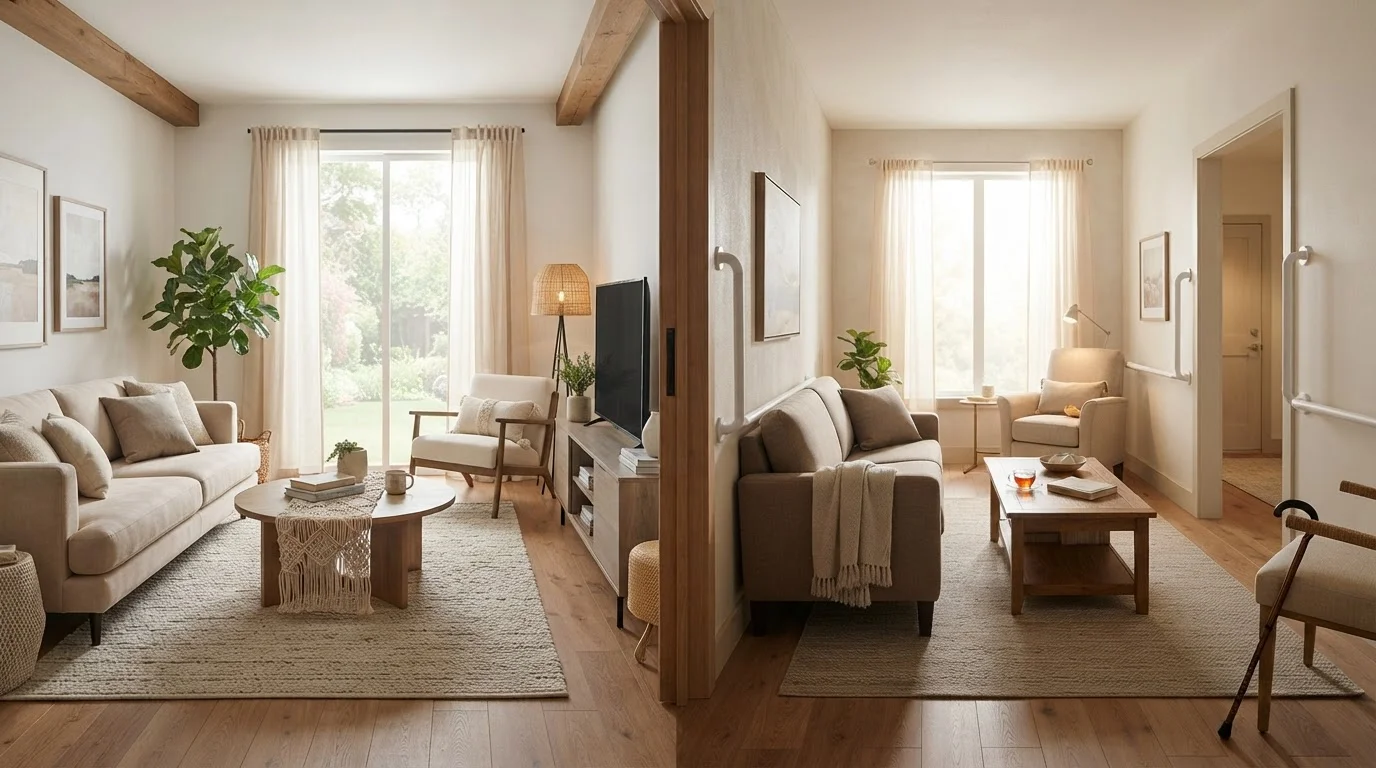
Photo: MyUrbanEscapes.net | Small Escapes. Big Experiences. editorial
—— In This Article
Key Takeaways
- Short-term rentals offer far more location variety but accessibility features vary widely between listings.
- Senior-focused accommodation is purpose-designed but tends to serve specific geographic areas and trip types.
- Always verify accessibility details directly — listings and brochures can omit important physical barriers.
- Cancellation flexibility matters more for seniors with health considerations; check policies before booking.
- Trip length, mobility needs, and desired support level should drive the accommodation decision.
- A hybrid approach — using mainstream platforms with strong accessibility filters — is a practical middle ground.
What Each Option Actually Looks Like
Short-term rentals are privately owned homes, condos, or apartments rented through online platforms for stays ranging from a few nights to several months. The host sets the property's rules, amenities, and price. What you get varies enormously — from a studio apartment to a five-bedroom coastal house — and accessibility is not guaranteed.
Senior-focused accommodation is a broader category that includes retirement resort communities offering short-stay options, assisted-living facilities with guest suites, and independently operated lodging explicitly marketed to older travelers. These properties typically plan their physical layout and staffing with older guests in mind.
Understanding this distinction matters because the search process differs significantly. For mainstream rentals, you'll use general booking platforms and apply accessibility filters — a process covered in detail in how different platforms handle accessibility filters. For senior-focused stays, you'll often contact properties directly or search specialist directories.
| Criterion | Short-Term Rentals | Senior-Focused Accommodation |
|---|---|---|
| Location variety | Very broad — most destinations covered | Limited to specific areas or communities |
| Accessibility reliability | Varies; requires direct host verification | Generally consistent; purpose-designed |
| On-site support staff | Rarely available; host contact only | Typically available on-site |
| Kitchen and home amenities | Standard in most listings | Varies; communal dining often offered |
| Cancellation flexibility | Wide range — check each listing | Varies by property; ask directly |
| Community atmosphere | Private; minimal social interaction | Often includes organized activities |
| Booking process | Online platforms; self-service | Often direct contact or specialist sites |
Accessibility: Confirmed vs. Assumed
Accessibility is where the two options diverge most sharply. Senior-focused properties are built or retrofitted to accommodate common mobility, vision, and hearing needs. Features such as step-free entrances, wide doorways, roll-in showers, and 24-hour staffing are typically standard rather than optional extras.
Short-term rentals present a more uneven picture. A listing may advertise itself as "accessible" while still having a step at the front door, a narrow bathroom, or steep interior stairs. The solution is direct communication: message the host with a specific checklist of your requirements before booking. Asking about the number of steps at entry, shower type, and nearest parking spot can reveal barriers that photos won't show.
If your mobility needs are significant, also consider how the surrounding neighborhood is laid out — flat terrain, sidewalk quality, and proximity to transit all affect daily comfort. Urban and rural rentals carry very different accessibility profiles, so factor in the setting alongside the property itself.
Verify Accessibility Claims Directly
Platform accessibility filters are useful starting points, but they rely on hosts self-reporting features. Before booking any rental, send the host a written list of your specific requirements and ask for confirmation in the platform's messaging system. This creates a record you can reference if features turn out to be inaccurate on arrival. For senior-focused properties, request a floor plan or photos of the bathroom and entrance in advance.
Flexibility, Support, and Practical Trade-Offs
Short-term rentals generally win on flexibility. You can choose almost any location, stay for a night or several months, and longer stays often reduce both cost and travel stress for seniors. However, if something goes wrong — a maintenance issue, an accessibility feature that wasn't as described — resolution depends on the platform's support process and the individual host's responsiveness.
Senior-focused accommodation typically offers more structured support. On-site staff can assist with local recommendations, transportation coordination, or minor daily needs. This appeals particularly to solo travelers or those managing a chronic health condition who value having a point of contact nearby.
Cost is less clear-cut than it appears. Senior-oriented properties may include meals, activities, or transport in a higher nightly rate, which can represent good value when itemized. Mainstream rentals may carry cleaning fees and platform service charges that inflate the headline price. Compare total trip cost, not nightly rate alone. For a broader look at cost trade-offs by accommodation type, see how vacation rentals compare financially to hotels for senior travelers.
One factor often overlooked is cancellation policy. Seniors dealing with unpredictable health situations need to understand what happens if plans change. Policies on mainstream platforms range from fully refundable to completely non-refundable; understanding cancellation tiers before you pay can prevent significant financial loss. Senior-focused properties vary in their flexibility too — always ask before committing.
40%+
Short-term rental guests aged 55 or older
Industry research consistently shows older adults represent a substantial and growing segment of short-term rental bookings, indicating the market is increasingly relevant to senior travelers.
1 in 4
US adults aged 65+ report a disability affecting mobility
According to the CDC's disability and health data, mobility limitations are the most common disability type among older Americans, underscoring why accommodation accessibility matters so directly.

Vacation Rentals Editorial Team
Vacation Rentals Editorial Team is the collective byline for our editorial team and contributor network. Articles published under this byline or an editorial pen name are researched, written, and reviewed according to our editorial standards for clarity, consistency, and independence before publication.
View author profile