
Rental Location Factors That Matter More as You Get Older
Proximity to pharmacies, flat walking routes, and public transport access matter more than they once did. What to look for when evaluating a rental's location.
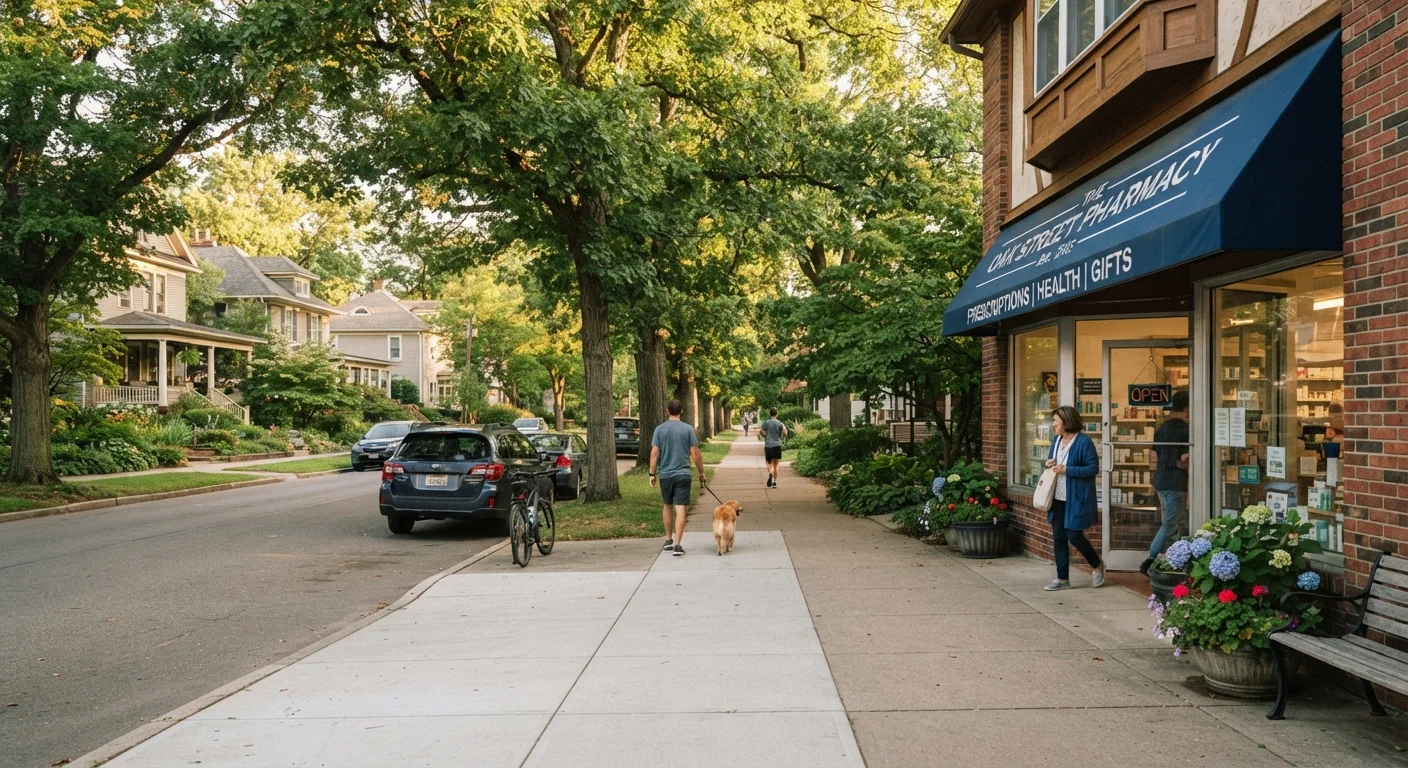
Photo: MyUrbanEscapes.net | Small Escapes. Big Experiences. editorial
—— In This Article
Key Takeaways
- Proximity to pharmacies and urgent care centers is a critical location factor for senior renters.
- Flat terrain and walkable routes reduce fatigue and fall risk during everyday outings.
- Access to public transit or ride-share services matters when driving isn't an option.
- Noise levels, neighborhood pace, and grocery proximity all affect comfort significantly.
- Evaluating a rental's surroundings before booking can prevent avoidable stress on arrival.
Why Location Criteria Shift with Age
When you were younger, choosing a vacation rental often came down to price, proximity to an attraction, or a nice view. As you get older, the same decision involves a wider set of practical questions. Can you walk to a grocery store if you need something urgently? Is there a pharmacy nearby if you run low on medication? Are the streets flat enough to move around comfortably?
These aren't minor preferences — they're factors that directly affect your safety, comfort, and independence while traveling. The good news is that they're entirely plannable once you know what to look for. This guide walks through the location factors that tend to matter most as seniors evaluate rental properties, so you can compare options with confidence before you commit.
For a complementary look at what the rental property itself should offer, see accessibility features to look for in a vacation rental.
Proximity to pharmacies and medical services
Running out of a prescription while traveling is stressful at any age, but it becomes a genuine health concern for travelers who depend on daily medications. Before booking, confirm that a full-service pharmacy is within a reasonable distance — ideally under two miles, or easily reachable by car or transit. It's also worth locating the nearest urgent care clinic and emergency room, even if you don't expect to need them.
Some rental platforms list nearby amenities; verify these independently using a map tool, since listings can be outdated. If you're managing a condition that might require prompt attention, review preparing a rental stay around chronic conditions for additional planning steps.
Confirm pharmacy distance and urgent care locations before you finalize any booking.
Flat terrain and walkable routes
Hilly neighborhoods may look charming in listing photos, but steep inclines significantly increase exertion and fall risk — particularly on return trips when you're tired. Look for rentals in areas with level or gently graded streets, wide sidewalks, and curb cuts at intersections.
Street-level mapping tools let you virtually walk a route from the rental to a nearby café or store before you arrive. Pay attention to surface quality: cracked or uneven pavement can be just as problematic as a hill. A flat, well-maintained half-mile walking radius opens up far more independence than a stunning hilltop property with limited safe foot access.
Flat sidewalks and curb cuts expand daily independence more than any scenic view.
Access to public transit or ride-share services
Even if you drive, having alternative transportation available matters — especially if fatigue, unfamiliar roads, or a health episode makes driving less practical on a given day. Check whether the rental area is served by local bus lines, commuter rail, or reliable ride-share coverage. In some smaller towns or resort areas, service can be thin or require advance booking.
This is one area where urban rentals often outperform rural ones. If transit access is a priority for you, compare the accessibility trade-offs of urban and rural rentals to set realistic expectations before searching.
Reliable transit or ride-share coverage gives you a safe backup when driving isn't ideal.
Grocery and essential services within reach
A full kitchen — one of the main advantages of vacation rentals — is only useful if you can stock it conveniently. Identify the nearest full-service grocery store, and consider whether the route is walkable or requires a car. For longer stays, look for farmers markets or delivery options that serve the rental address.
Beyond groceries, think about laundromats (if the rental lacks in-unit laundry), post offices, and banks. These errands feel minor until you're without a car on a rainy afternoon in an unfamiliar town. Rentals well-positioned near everyday services reduce both dependency and decision fatigue throughout a trip.
A rental near everyday services keeps logistics manageable without extra driving.
Neighborhood noise level and pace
Rest is part of travel, and location noise is a variable that many renters overlook. Properties near nightlife districts, busy arterial roads, or event venues may advertise convenience but deliver disrupted sleep. For older adults who already experience lighter sleep or earlier wake times, this matters more than it once might have.
Read guest reviews specifically for mentions of noise. Check whether the property sits on a main road or in a quieter residential block. Look at nearby venues on a map — a sports stadium or concert hall a few blocks away may be irrelevant most nights, but could be significant on event evenings.
Guest reviews are the most reliable source for honest assessments of neighborhood noise.
Safe and well-lit surroundings after dark
Returning to a rental after an evening out — whether from dinner, a show, or a late ferry — should feel straightforward and safe. Poorly lit streets, remote driveways, or unfamiliar parking arrangements can all become sources of anxiety or risk in the dark. When reviewing a listing, consider the after-dark context: Is the entrance clearly lit? Is parking close to the front door?
When you're ready to look closely at the listing itself, reading a rental listing with mobility in mind explains how to decode photos and descriptions to spot potential gaps before booking.
Well-lit entrances and close parking make a meaningful difference to evening safety.
Putting It All Together Before You Book
None of these factors requires you to eliminate otherwise appealing rentals outright — but each one is worth investigating before you pay a deposit. Use satellite map tools to measure walking distances, check street-level imagery to assess terrain and sidewalk quality, and search for nearby pharmacies and urgent care clinics by name to confirm hours and services.
Use Maps Before You Commit
Before finalizing a rental, spend 15 minutes using a satellite or street-level map tool to walk the routes you'll actually use — to the grocery store, the pharmacy, and a nearby restaurant. Look at sidewalk quality, intersection crossings, and terrain. This simple step surfaces location problems that listing descriptions rarely mention.
If you're weighing the broader question of urban versus rural settings, urban rentals vs. rural retreats offers a helpful side-by-side look at the trade-offs. And if you're managing a chronic health condition during your trip, rental safety for seniors with chronic conditions covers what to prioritize in your planning.
Location research takes an extra hour — but it's one of the most effective things you can do to make a trip genuinely enjoyable rather than stressful.

Vacation Rentals Editorial Team
Vacation Rentals Editorial Team is the collective byline for our editorial team and contributor network. Articles published under this byline or an editorial pen name are researched, written, and reviewed according to our editorial standards for clarity, consistency, and independence before publication.
View author profile