
Staying Safe in Unfamiliar Cities: Orientation Habits for New Arrivals
Arriving in an unfamiliar destination is when travelers are most vulnerable. These orientation routines help seniors get their bearings safely and confidently.
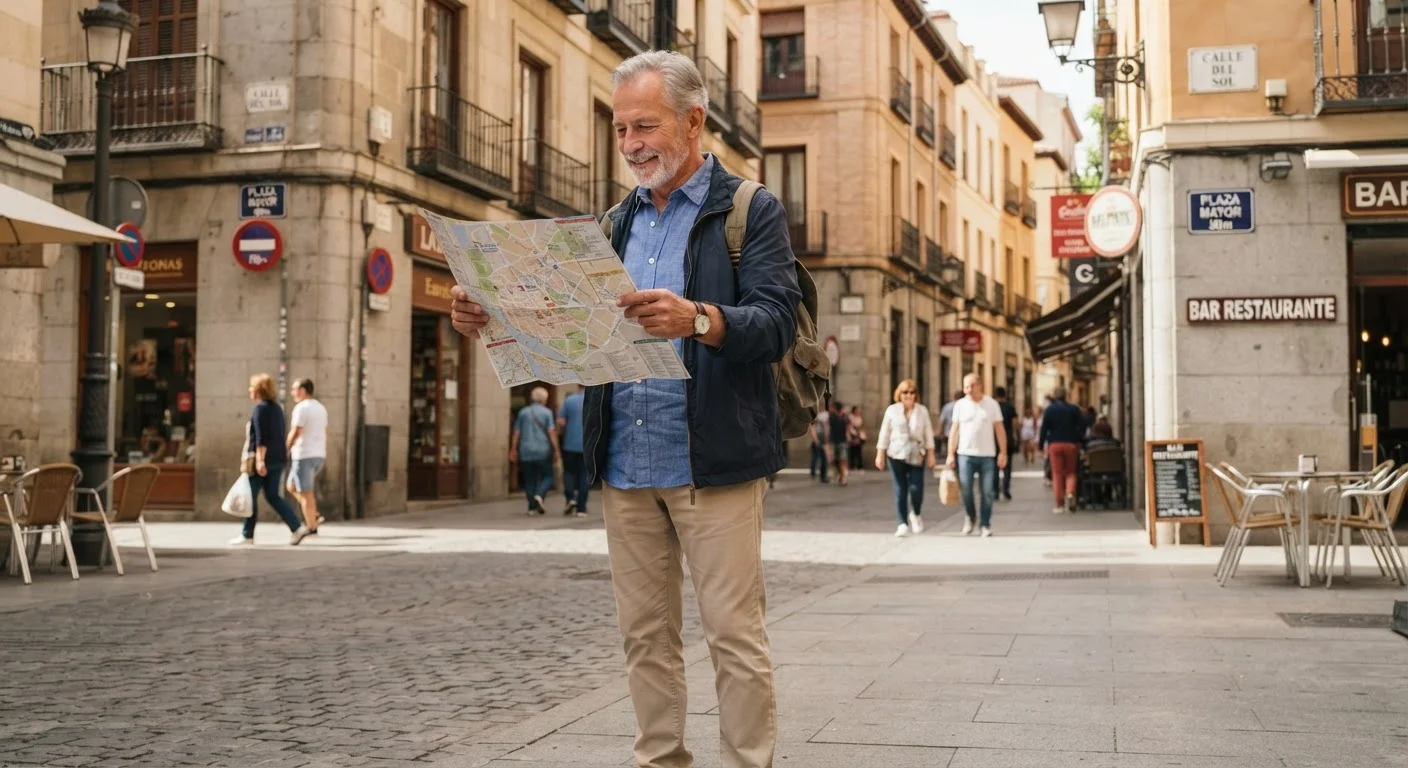
Photo: MyUrbanEscapes.net | Small Escapes. Big Experiences. editorial
—— In This Article
Key Takeaways
- Arriving in an unfamiliar city is when travelers are statistically most vulnerable to disorientation and opportunistic crime.
- A deliberate orientation routine — done in the first hour — dramatically reduces safety risks for senior travelers.
- Knowing your nearest emergency services, pharmacy, and medical facility before you leave your accommodation is essential.
- Carrying a physical backup of key information protects you when phone batteries die or connectivity fails.
- Small behavioral habits — like varying your routes and staying aware of your surroundings — build confidence and deter risk.
Why the First Hour in a New City Matters Most
Disorientation peaks immediately after arrival. Jet lag, unfamiliar transit systems, and the cognitive load of navigating a new environment all reduce situational awareness at precisely the moment it is most needed. For senior travelers — particularly those managing chronic conditions or traveling solo — this window carries meaningful risk.
The good news is that a short, intentional orientation routine can close that vulnerability gap quickly. Rather than diving straight into sightseeing, treating the first hour as a dedicated settling-in period pays dividends for the rest of your stay. For broader foundational habits before and during any trip, see our Senior Traveler's Complete Safety Primer.
If You Are Staying in a Vacation Rental
Vacation rentals require a slightly different orientation approach than hotels — there is no front desk staff to ask for help, and emergency exits or building protocols may not be clearly posted. Our guide on what to do in the first hour at a vacation rental walks through a step-by-step routine specifically for this context, including checking locks, locating emergency numbers, and testing smoke alarms.
Core Orientation Habits for Safe Arrivals
The following practices form a reliable arrival routine that experienced senior travelers consistently rely on. Each habit is low-effort but high-impact — and together they create a safety foundation for your entire stay.
Locate emergency services and a nearby pharmacy within 15 minutes of arriving at your accommodation.
Knowing where to go in a medical emergency before one occurs eliminates dangerous decision-making under stress. For seniors managing ongoing health conditions, this is especially critical since a familiar medication may need restocking or a minor health issue may escalate unexpectedly.
Carry a physical information card with your accommodation address, emergency contacts, and any critical health information written in the local language.
Digital devices fail — batteries die, screens crack, connectivity drops. A laminated or durable paper card ensures that even in the worst-case scenario, bystanders or emergency responders can help you. Including basic health information such as known allergies or current medications can be life-saving.
Take a short, deliberate orientation walk within two blocks of your accommodation before venturing further afield.
A brief walk around the immediate neighborhood builds spatial memory, helps you identify landmarks for navigation, and flags any environmental hazards such as uneven pavements, heavy traffic crossings, or poorly lit areas. This mental map reduces anxiety and helps you return safely if you become disoriented later.
Screenshot or download offline maps of your immediate area before relying on live GPS navigation.
Mobile data roaming can be unreliable or expensive, and unfamiliar SIM setups can fail. Offline maps ensure you have a navigation backup that does not depend on a live connection. This is particularly important in areas with poor signal coverage or when crossing between countries.
Vary your walking routes and avoid establishing an obvious routine on your first full day.
Predictable patterns — leaving at the same time, using the same entrance, always walking the same route — can attract opportunistic attention. Varying routes and timing is a widely recommended personal security habit in unfamiliar urban environments, and it also helps you learn the neighborhood more thoroughly.
Share your daily itinerary and accommodation details with a trusted person at home each morning.
A simple daily check-in habit ensures someone who knows your plans can raise an alert if they lose contact. This is one of the most effective solo travel safety measures and costs only a few minutes per day. For solo travelers, this practice is especially important — see our Solo Travel After 65 safety guide for a complete check-in protocol.
Quick Actions to Take Right Now
If you are already en route or have recently arrived, these immediate steps help you establish your bearings without delay. Travelers heading to international destinations will find additional context in our International Destinations hub, while those staying in vacation rentals should also review practical safety steps for unfamiliar rentals.
This article provides general travel safety information and education only. It is not a substitute for professional medical, legal, or emergency advice. Always consult qualified professionals and verify local emergency procedures for your specific destination before traveling.

Travel Health & Safety Editorial Team
Travel Health & Safety Editorial Team is the collective byline for our editorial team and contributor network. Articles published under this byline or an editorial pen name are researched, written, and reviewed according to our editorial standards for clarity, consistency, and independence before publication.
View author profile