
What to Arrange at Home Before a Senior Travels Alone
A practical rundown of home security, mail, utilities, pet care, and emergency contact plans to sort out before a solo senior trip.
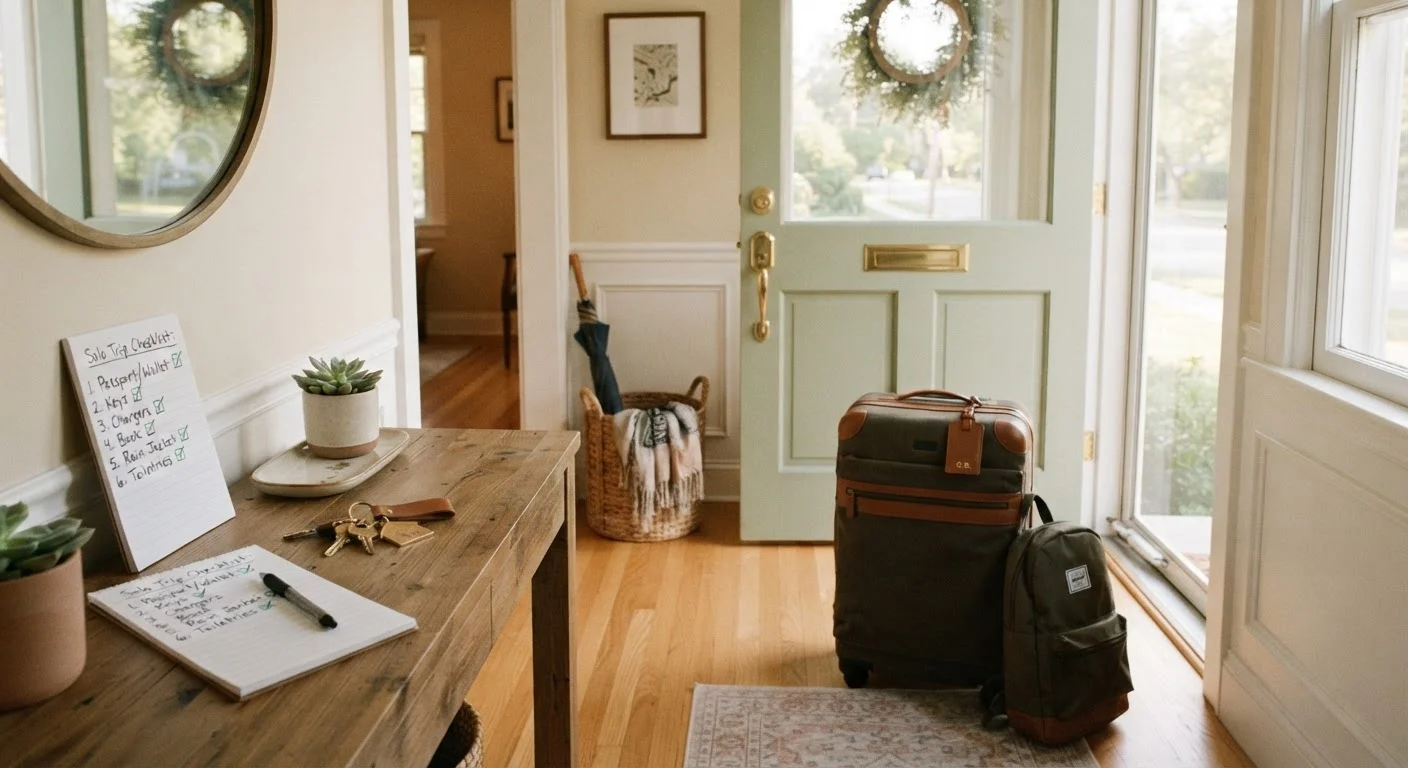
Photo: MyUrbanEscapes.net | Small Escapes. Big Experiences. editorial
—— In This Article
Key Takeaways
- Arranging a trusted home contact is one of the most important steps before traveling alone.
- Mail, utilities, and subscriptions left unmanaged can signal an empty home to opportunists.
- A written emergency contact sheet kept at home helps those watching over your property act quickly.
- Pet and plant care plans should be confirmed in writing well before departure day.
- Notifying your bank and insurance providers prevents disruptions while you are away.
Why Home Preparation Matters for Solo Senior Travelers
Traveling alone as a senior can be deeply rewarding — but the comfort of a smooth trip begins before you ever lock the front door. When there is no travel companion to share responsibilities, every home detail falls to you in advance. A missed mail pile, an unattended pet, or a neighbor who doesn't know you're gone can turn into real headaches from hundreds of miles away.
This checklist walks through the practical home arrangements that solo senior travelers most often overlook. Work through it in the days or weeks before departure, and you'll board your flight, bus, or cruise ship knowing your home is in order. For the full pre-departure picture — including documents and medications — see the pre-departure checklist every senior traveler should run through.
USPS Mail Hold Service
Pause mail delivery for up to 30 days so letters and packages don't accumulate while you're away.
Smart Plug or Light Timer
Automate interior lights on a schedule to make the home appear occupied during your absence.
Printed Home Information Sheet
A single-page document left at home listing your itinerary, emergency contacts, and utility shutoff locations for your home contact.
Pet Care Agreement (Written)
A written summary of feeding schedules, medications, vet contacts, and emergency procedures for whoever is caring for your pet.
Your Home Preparation Checklist
The items below are grouped by category. Work through each group at your own pace — most can be completed in an afternoon once you know your travel dates.
Home Security
Mail and Deliveries
Utilities and Home Systems
Pet and Plant Care
Financial and Administrative
Emergency Information at Home
Avoid Announcing Your Trip on Social Media
Posting travel plans or real-time photos publicly before or during a trip can inadvertently signal that your home is unoccupied. Consider sharing your travel memories after you return rather than in the moment. If you do post while traveling, review your privacy settings so only trusted connections can see your updates.
Once your home arrangements are squared away, shift your focus outward. The safety habits that make solo travel after 65 possible covers practical routines to keep you secure once you're on the road. And if you haven't yet built a formal emergency plan, building a senior travel emergency plan is an excellent companion resource.

Senior Trip Planning Editorial Team
Senior Trip Planning Editorial Team is the collective byline for our editorial team and contributor network. Articles published under this byline or an editorial pen name are researched, written, and reviewed according to our editorial standards for clarity, consistency, and independence before publication.
View author profile