
Before You Fly: A Medical Pre-Trip Checklist for Senior Travelers
A practical checklist covering prescriptions, vaccinations, medical records, and doctor consultations to complete before any senior travel departure.
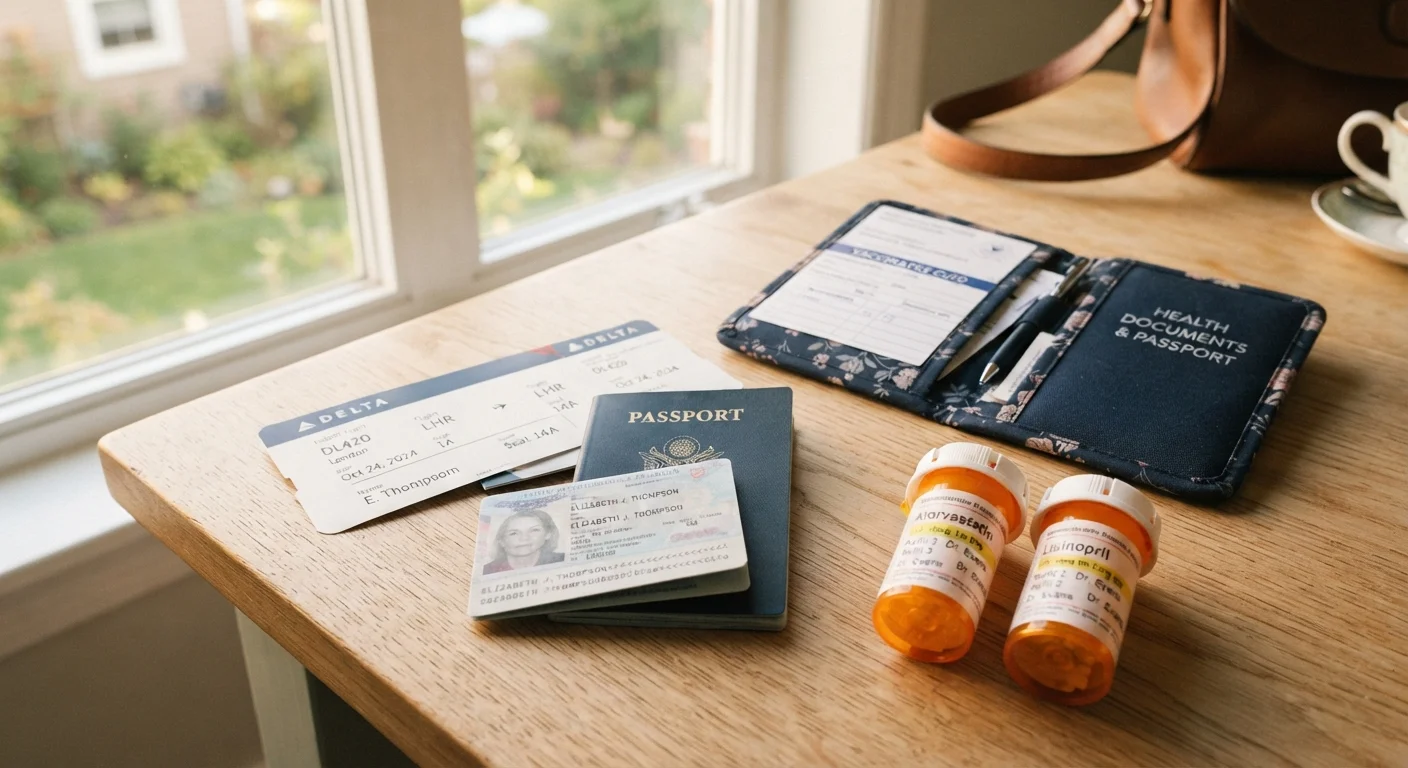
Photo: MyUrbanEscapes.net | Small Escapes. Big Experiences. editorial
—— In This Article
Key Takeaways
- Schedule a pre-travel doctor visit at least 4–6 weeks before departure to allow time for vaccinations and prescription refills.
- Carry a complete, current medication list and copies of key medical records in both carry-on and checked luggage.
- Verify that your health insurance or travel insurance covers you at your destination before you fly.
- Know the generic names of all your medications, as brand names vary by country.
- Inform your airline and accommodations of any accessibility or medical equipment needs well in advance.
Why a Pre-Flight Medical Checklist Matters for Seniors
Air travel introduces real physical demands — pressurized cabins, long periods of sitting, time zone shifts, and unfamiliar environments — that are worth thinking through ahead of time, especially for travelers managing chronic conditions. The good news is that most of these factors are very manageable with a little advance planning.
This checklist is designed to walk you through every key health-related step before you fly. Whether you're heading across the country or abroad, running through these items calmly and thoroughly will help you feel genuinely prepared. For a broader starting point that goes beyond the checklist format, see our complete senior health prep guide.
This article is for general informational purposes only and is not a substitute for personalized medical advice. Always consult your physician or a qualified healthcare professional before making decisions about your health and travel plans.
Doctor Consultation
Vaccinations and Preventive Health
Medications and Prescriptions
Medical Records and Documentation
Insurance and Emergency Planning
Accessibility and Special Needs
Tools and Resources to Have on Hand
Before you start working through the checklist, gather the resources below. Having them in one place makes the process faster and ensures nothing slips through the cracks.
Current medication list
Provides a quick reference for customs agents, healthcare providers, and emergency responders listing all drugs, dosages, and prescribers.
Physician's travel letter
Documents your medical conditions and prescription needs in writing, which may be required at international borders or by airlines for medical equipment.
Health insurance and travel insurance cards
Ensures you can present proof of coverage quickly at any medical facility or emergency room during your trip.
CDC Travelers' Health website (wwwnc.cdc.gov/travel)
Provides official, up-to-date destination health advisories, vaccine recommendations, and health notices from the US Centers for Disease Control and Prevention.
Pill organizer with day/time labels
Helps manage complex medication schedules across time zones and reduces the risk of missed or doubled doses.
Insulated medication carrier
Maintains safe temperature for heat-sensitive medications such as insulin during travel.
Planning an international trip? Our international pre-departure planning checklist covers destination-specific requirements such as visa documentation and country entry health rules that go beyond this domestic-focused list.
Verify Entry Requirements Before You Travel
Health entry requirements — including proof of vaccination, medical documentation, or travel insurance mandates — can change with little notice. Always check the official US Department of State country information pages and your destination country's embassy website as close to your departure date as possible. Do not rely solely on third-party summaries, which may be out of date.
Making the Most of Your Pre-Travel Doctor Visit
Your pre-travel appointment is the single most important item on this checklist, so it deserves a moment of attention. Arriving with a prepared list of questions will make the visit far more productive than a general check-up. Discuss your specific itinerary, ask about altitude or climate concerns at your destination, and confirm that any implanted devices or chronic conditions won't be complicated by flying.
Our guide on what to actually discuss at your pre-travel doctor visit provides a detailed breakdown of the most important topics to raise. Once you've completed your health preparations, pair this checklist with the broader senior travel safety checklist to cover non-medical logistics like emergency contacts and home security before you leave.
Do Not Adjust Medications Without Medical Guidance
Some travelers are tempted to time-shift or skip doses to manage jet lag or avoid in-flight discomfort. Changing the timing or dosage of medications — especially blood pressure drugs, blood thinners, insulin, or seizure medications — without your doctor's explicit guidance can be dangerous. Always discuss any planned changes to your medication schedule with your physician before departure.
For a full picture of what to pack once your medical preparations are complete, our article on what to put in a senior traveler's medical kit is a natural next step.

Senior Trip Planning Editorial Team
Senior Trip Planning Editorial Team is the collective byline for our editorial team and contributor network. Articles published under this byline or an editorial pen name are researched, written, and reviewed according to our editorial standards for clarity, consistency, and independence before publication.
View author profile