
Full-Time RV Living in Retirement: The Realities Alongside the Appeal
A balanced look at what retiring into full-time RV travel actually involves — including healthcare access, social connection, and financial planning considerations.
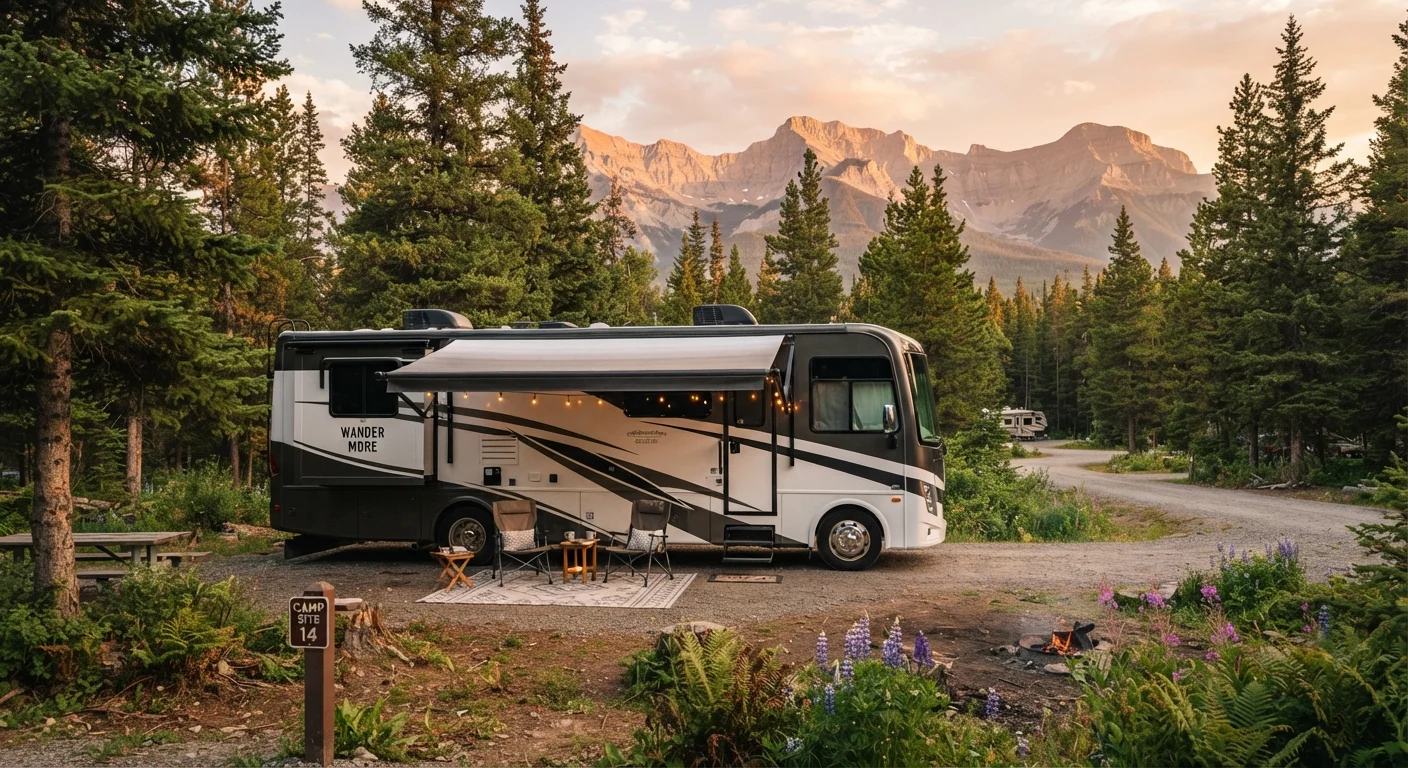
Photo: MyUrbanEscapes.net | Small Escapes. Big Experiences. editorial
—— In This Article
Key Takeaways
- Full-time RV living offers genuine freedom but requires careful planning around healthcare, finances, and social connection.
- Healthcare access is one of the most significant practical challenges for full-time senior RVers.
- Many retirees find the RV lifestyle more affordable than fixed-location living, though costs vary considerably.
- Strong senior RV communities exist across campground networks, making social isolation less common than expected.
- Physical comfort and rig accessibility become increasingly important considerations as RVers age.
Freedom to follow favorable weather year-round
Full-time RVers can migrate south in winter and north in summer, avoiding extreme heat or cold — a meaningful quality-of-life benefit for many seniors with weather-sensitive health conditions.
Simplified, lower-cost lifestyle is achievable
Eliminating property taxes, home maintenance, and utility bills can meaningfully reduce monthly expenses for retirees on fixed incomes, though actual savings depend on travel pace and rig costs.
Access to scenic and culturally rich destinations
The US interstate and highway system, combined with thousands of public and private campgrounds, puts national parks, coastal routes, and historic towns within reach at a pace you control.
Strong, welcoming senior RV communities
Active clubs, rallies, and campground social scenes mean full-time senior RVers often find rich social lives on the road, frequently describing it as one of the lifestyle's unexpected highlights.
Flexibility to be near family when it matters
Unlike a fixed home location, full-time RVers can drive to be near family during health events, holidays, or milestones without coordinating flights or hotel stays.
Healthcare access requires significant advance planning
Managing specialist care, prescription pickups, and insurance coverage across state lines is genuinely complex. Seniors with ongoing medical needs must build a geographic healthcare strategy before departing.
Unpredictable maintenance costs can strain budgets
RVs are mechanically complex and subject to hard use. Repairs can be expensive and may strand you far from familiar service providers, making an adequate financial reserve essential.
Physical demands increase with age
Setting up camp, managing slides and hookups, and driving a large vehicle all require a degree of physical capability that may diminish over time — requiring rig modifications or eventual lifestyle adjustments.
Maintaining family ties demands deliberate effort
Distance from adult children and grandchildren can feel more significant than anticipated, particularly during family milestones or health events that require quick travel.
Mail, banking, and legal residency add complexity
Full-time RVers must establish a legal domicile state for purposes of vehicle registration, voting, and taxes — a process that involves paperwork and ongoing administrative attention.
Why Retirement and RV Living Are a Natural Pairing
Retirement removes the two biggest barriers to full-time RV travel: a fixed work location and a rigid schedule. For many seniors, it's the first time in decades that true geographic freedom is within reach. Combine that with a growing network of senior-friendly campgrounds, improved RV accessibility features, and an active community of experienced older travelers, and it's easy to understand why full-time RVing has become a popular retirement choice.
That said, the lifestyle looks different in practice than it does in the planning stage. Understanding both the genuine appeal and the real-world friction points helps you make a clearer-eyed decision. See also our look at common myths about senior RV travel for a useful reality check before committing.
Freedom to follow favorable weather year-round
Full-time RVers can migrate south in winter and north in summer, avoiding extreme heat or cold — a meaningful quality-of-life benefit for many seniors with weather-sensitive health conditions.
Simplified, lower-cost lifestyle is achievable
Eliminating property taxes, home maintenance, and utility bills can meaningfully reduce monthly expenses for retirees on fixed incomes, though actual savings depend on travel pace and rig costs.
Access to scenic and culturally rich destinations
The US interstate and highway system, combined with thousands of public and private campgrounds, puts national parks, coastal routes, and historic towns within reach at a pace you control.
Strong, welcoming senior RV communities
Active clubs, rallies, and campground social scenes mean full-time senior RVers often find rich social lives on the road, frequently describing it as one of the lifestyle's unexpected highlights.
Flexibility to be near family when it matters
Unlike a fixed home location, full-time RVers can drive to be near family during health events, holidays, or milestones without coordinating flights or hotel stays.
The Real Challenges You Should Plan Around
The downsides of full-time RV living aren't reasons to avoid the lifestyle — but they are reasons to plan carefully before selling your home and hitting the road. The most commonly underestimated challenges fall into three categories: healthcare access, financial complexity, and physical demands.
Healthcare access requires significant advance planning
Managing specialist care, prescription pickups, and insurance coverage across state lines is genuinely complex. Seniors with ongoing medical needs must build a geographic healthcare strategy before departing.
Unpredictable maintenance costs can strain budgets
RVs are mechanically complex and subject to hard use. Repairs can be expensive and may strand you far from familiar service providers, making an adequate financial reserve essential.
Physical demands increase with age
Setting up camp, managing slides and hookups, and driving a large vehicle all require a degree of physical capability that may diminish over time — requiring rig modifications or eventual lifestyle adjustments.
Maintaining family ties demands deliberate effort
Distance from adult children and grandchildren can feel more significant than anticipated, particularly during family milestones or health events that require quick travel.
Mail, banking, and legal residency add complexity
Full-time RVers must establish a legal domicile state for purposes of vehicle registration, voting, and taxes — a process that involves paperwork and ongoing administrative attention.
Domicile State: A Key Administrative Decision
Full-time RVers must legally claim a home state for purposes of driver's licensing, vehicle registration, voting, and income tax. States with no income tax and streamlined processes for non-resident registration — such as South Dakota, Florida, and Texas — are commonly chosen by full-timers. Consult a tax or legal professional to determine which domicile arrangement suits your financial and personal situation.
For seniors considering traveling alone, the challenges can feel more acute. Our guide to solo RV travel as a senior covers safety planning and communication strategies specific to independent travelers.
Healthcare Access: The Most Critical Planning Factor
Healthcare is the single issue most likely to affect your long-term satisfaction with full-time RV living. Medicare generally covers emergency and medically necessary care anywhere in the US, but some Medicare Advantage plans restrict coverage to a defined service area — which can create real complications when you're 1,500 miles from home.
~1 million
Americans living full-time in RVs
Industry estimates from the RV Industry Association suggest approximately one million Americans identify as full-time RV dwellers, with retirees representing a significant and growing share.
50+ states
Medicare emergency coverage geographic reach
Original Medicare (Parts A and B) generally covers medically necessary and emergency care throughout all US states and territories, making it a common choice for mobile retirees.
Before transitioning to full-time travel, review your current health coverage carefully with a licensed insurance professional familiar with mobile seniors' needs. Many full-time RVers shift to Original Medicare paired with a supplemental (Medigap) plan, which typically offers more geographic flexibility. Establish relationships with telehealth providers for routine consultations, and identify specialists in regions where you plan to spend extended time. RV Safety & Comfort planning resources can help you think through broader health and safety considerations on the road.
Financial Realities: What Full-Time RVing Actually Costs
Full-time RV living can cost less than maintaining a fixed home — or more, depending on your travel pace, rig type, and lifestyle preferences. Key cost categories include campground fees, fuel, RV maintenance and repairs, insurance, and the opportunity cost of a sold or rented home.
Campground fees vary significantly: primitive public land sites may be free or very low cost, while full-hookup resort-style campgrounds can run $50–$100 per night. Maintenance is often the most unpredictable expense — older rigs in particular can require substantial repair budgets. Many full-time RVers recommend building a dedicated repair reserve of several thousand dollars before departing. For broader trip planning guidance, explore our RV trip planning resources hub.
Social Life and Community on the Road
One concern retirees often raise is loneliness — leaving behind neighbors, friends, and family routines. In practice, many full-time senior RVers report the opposite experience: campground culture tends to be unusually social, with neighbors who share common interests and a genuine willingness to connect.
National and regional RV clubs, rallies, and online communities create consistent touchpoints for friendship and practical support. That said, maintaining relationships with family and long-term friends does require more deliberate effort when you're mobile. Regular video calls, planned visits, and occasional returns to familiar regions all help bridge the distance. Those new to the lifestyle may also benefit from reading about what full-time RVing actually feels like at 65 and beyond to calibrate their expectations before departure.

Rv Travel Editorial Team
RV Travel Editorial Team is the collective byline for our editorial team and contributor network. Articles published under this byline or an editorial pen name are researched, written, and reviewed according to our editorial standards for clarity, consistency, and independence before publication.
View author profile