
Common Myths About Senior RV Travel — and What the Experience Actually Involves
From "it's too physically demanding" to "you need to be a mechanic" — separating misconceptions from the real picture of older-adult RV travel.
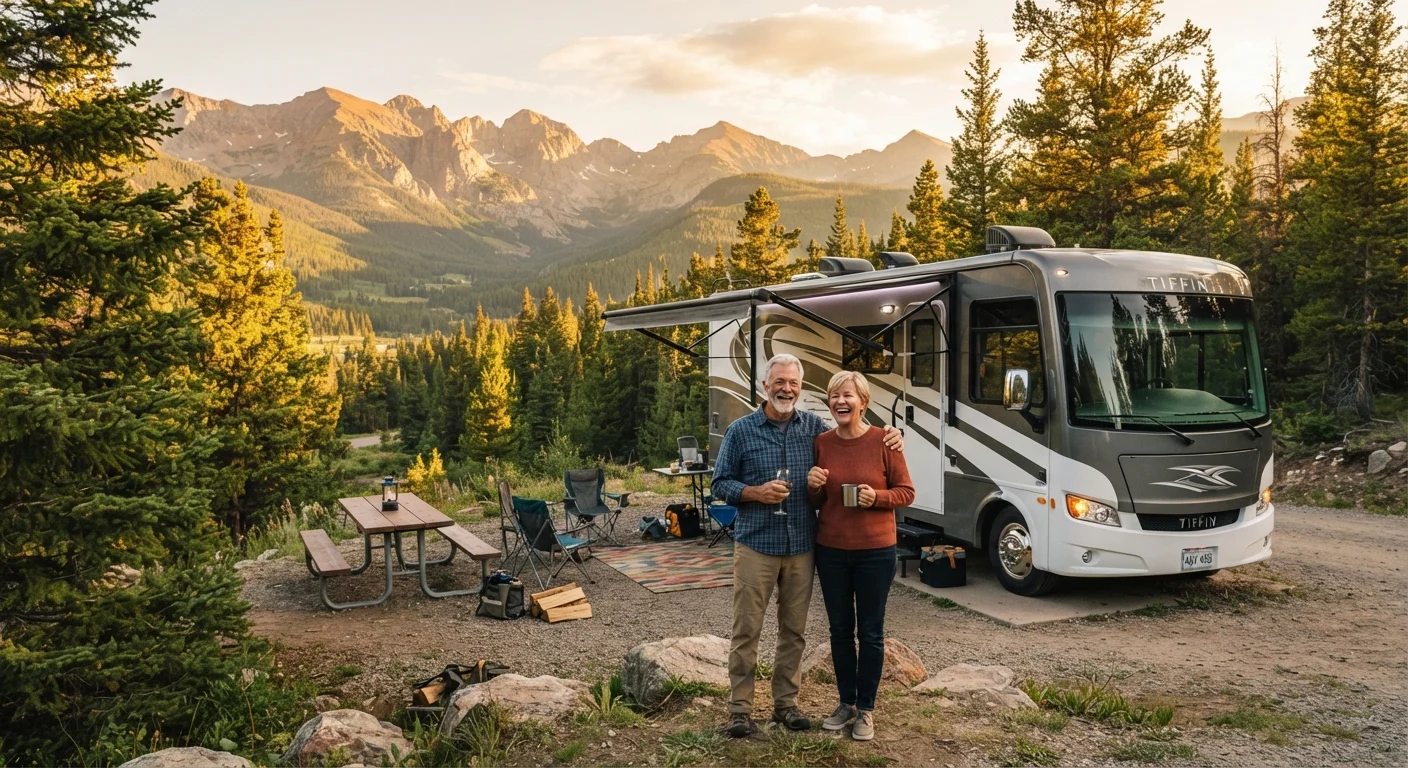
Photo: MyUrbanEscapes.net | Small Escapes. Big Experiences. editorial
—— In This Article
Key Takeaways
- Modern RVs include accessibility features that make them manageable for most seniors.
- You don't need mechanical expertise to RV safely — roadside assistance fills that gap.
- Shorter daily driving distances and flexible itineraries reduce physical strain significantly.
- Senior RV communities are active and socially rich, not isolating.
- Many health conditions don't prevent RV travel when planned thoughtfully.
Why These Myths Persist — and Why They Matter
The image of RV travel as a young person's adventure dies hard. Decades of movies, outdated advice, and well-meaning concern from family members have layered misconceptions onto what older-adult RV travel actually looks like in practice. The result: many seniors who would genuinely thrive on the road never take the first step.
These myths aren't harmless. They cause people to shelve travel goals they've held for years, assume physical decline disqualifies them before they've tested that assumption, or imagine costs and complexities that simply don't apply to how modern RVing works. Separating fiction from reality is the first practical step toward a decision grounded in facts rather than fear.
The myth-and-fact pairs below address the most common misconceptions we hear — and what the actual experience of senior RV travel involves. For a broader look at how planning assumptions can hold you back, see our article on myths about budget travel that hold seniors back.
Myth
RV travel is too physically demanding for people over 65.
Fact
Physical demand varies enormously depending on the RV type, itinerary pace, and how trips are structured — most seniors adjust both to suit their capabilities.
This is perhaps the most pervasive myth, and it conflates the most strenuous version of RV travel with the entire experience. Setup tasks like leveling, hookups, and hitching do require some physical effort — but modern RVs have made these processes significantly easier with power-assisted leveling systems, automatic slide-outs, and simplified connections.
Seniors with mobility limitations often choose smaller rigs or Class B vans that require minimal setup. Others travel with a partner who handles the heavier tasks. Shorter driving days — often 150 to 250 miles — reduce fatigue substantially. The physical profile of a week-long trip with two-hour driving days and established campground hookups looks nothing like the grueling expedition this myth implies.
For a detailed examination of this specific concern, see RVing is too physically demanding after 65 — and other myths worth dismissing.
Myth
You need to be mechanically skilled to handle RV problems on the road.
Fact
Roadside assistance programs, mobile RV technicians, and dealer service networks mean seniors don't need to be mechanics to travel safely.
This myth assumes that mechanical failures will strand you in a remote location with no support — an outdated picture of what RV infrastructure looks like today. Roadside assistance memberships specifically designed for RVs provide towing, tire changes, battery service, and lockout help across most of the US.
Mobile RV technicians now operate in most regions and can come to your campsite for many types of repairs. Knowing how to check tire pressure, monitor battery levels, and identify a few basic warning signs is useful — and learnable — but extensive mechanical knowledge is not a prerequisite for safe travel.
Basic pre-trip walkarounds, reviewing the owner's manual, and taking an RV orientation course before your first trip covers most practical knowledge gaps without requiring mechanical expertise.
Myth
Having a chronic health condition means RV travel isn't safe or realistic.
Fact
Many seniors with managed chronic conditions travel by RV successfully, with appropriate planning around medications, medical access, and itinerary pacing.
The assumption here is that any health complexity disqualifies someone from RV travel, which oversimplifies both the conditions and the travel. Seniors managing well-controlled conditions — including diabetes, hypertension, heart disease, and arthritis — travel by RV regularly when they plan with their healthcare providers and route accordingly.
Key planning considerations include identifying healthcare facilities along planned routes, carrying sufficient medication supplies plus extras, and building itineraries that allow for rest and adjustment. Some seniors prefer to stay within a defined radius of a major city; others are comfortable in more remote areas once they've assessed their situation with their doctor.
This content is general travel information only, not medical advice. Always consult your healthcare provider before making travel decisions based on your individual health circumstances.
Myth
RV travel is an isolated, lonely experience — especially for solo seniors.
Fact
RV communities are notably social, with campground gatherings, organized rallies, and online networks creating consistent opportunities for connection.
The image of a lone RV parked in a desolate lot bears little resemblance to the culture most senior RVers actually encounter. Campgrounds — particularly those catering to the 55-and-over demographic — routinely organize communal meals, game nights, and day trips. National RV clubs host rallies that bring thousands of travelers together at designated locations throughout the year.
Solo senior RVers, including solo women travelers, frequently describe the community aspect as one of the most unexpected and valued parts of the lifestyle. Digital communities and apps have extended this social fabric online, making it easy to connect with nearby travelers before and during trips.
The social reality of senior RV living is covered in detail in our companion piece on what full-time RVing actually feels like at 65 and beyond.
Myth
RV travel is significantly more expensive than other forms of senior travel.
Fact
Costs depend heavily on RV type, travel frequency, and campground choices — and for extended travel, RVing can be more economical than hotel-based trips.
The cost myth cuts both ways: some people assume RV travel is prohibitively expensive, while others underestimate ongoing costs. The reality is more nuanced. For short occasional trips, upfront RV ownership costs may not pencil out against alternatives. But for seniors who travel frequently or for extended periods, eliminating nightly hotel and restaurant costs can shift the math considerably.
Campground fees vary widely — from free dispersed camping on public lands to full-hookup sites at private resorts. Fuel costs depend on vehicle size and distance traveled. Rental options allow seniors to try RV travel without a purchase commitment. General financial information on travel planning can help set realistic expectations, though individual cost outcomes vary based on personal circumstances and travel patterns.
Myth
Driving an RV is too difficult and dangerous for older drivers.
Fact
RV driving is learnable, and most seniors adapt well with proper orientation, realistic daily distances, and route planning that avoids unnecessary complexity.
RVs are wider and longer than passenger vehicles, which does require adjustment — but this myth assumes older drivers cannot make that adjustment, which isn't supported by experience. Most RV rental companies offer basic driving orientation, and many seniors take dedicated RV driving courses before their first trip.
Practical strategies make a significant difference: avoiding urban interstates during peak traffic, planning routes with wide-lane highways and pull-through campsite access, and keeping daily driving under a personal comfort threshold all reduce stress and risk.
Fatigue management is especially important for older drivers. Our piece on why seniors often underestimate daily driving distance addresses how to build itineraries that account for realistic fatigue and recovery. Additional safety awareness guidance is available in our safety while traveling hub.
What Planning Realistically Looks Like for Older RVers
Once the myths are cleared away, a more accurate planning picture emerges. Senior RV travel works best when itineraries are built around realistic daily distances, with buffer days factored in for rest or unexpected delays. Driving 200–250 miles per day is a common ceiling many experienced older RVers set for themselves — not a sign of limitation, but of sound judgment.
Campground selection matters more than many new RVers expect. Amenities like level pull-through sites (which eliminate the need for complicated backing maneuvers), clean restroom facilities, and proximity to medical services all influence daily comfort. Many campground booking platforms allow filtering by accessibility features.
Plan Around Medical Access, Not Just Attractions
When building your route, identify the locations of urgent care centers and hospitals relative to each overnight stop — not just the scenic highlights. This is especially important if you or your travel partner manage a chronic health condition or take regular medications. A small amount of advance research can significantly reduce stress if a health issue arises on the road. Always discuss your travel plans with your healthcare provider before departing.
Vehicle choice also plays a larger role than myth suggests. Smaller Class B motorhomes and Class C rigs offer easier handling and better fuel efficiency without sacrificing the core comforts of home. Our guide to choosing between motorhome classes walks through how each option suits different senior lifestyles and driving comfort levels.
For seniors thinking beyond occasional trips toward a fuller lifestyle change, what full-time RVing actually feels like at 65 and beyond offers an honest account of the physical and logistical realities involved. And if you're just getting started on route and logistics planning, our RV trip planning hub covers the essential steps from vehicle selection to campground booking.

Rv Travel Editorial Team
RV Travel Editorial Team is the collective byline for our editorial team and contributor network. Articles published under this byline or an editorial pen name are researched, written, and reviewed according to our editorial standards for clarity, consistency, and independence before publication.
View author profile