
"RVing Is Too Physically Demanding After 65" — And Other Myths Worth Dismissing
Common fears about senior RV travel often don't hold up to scrutiny. Here's what the evidence and experience of full-time senior RVers actually shows.
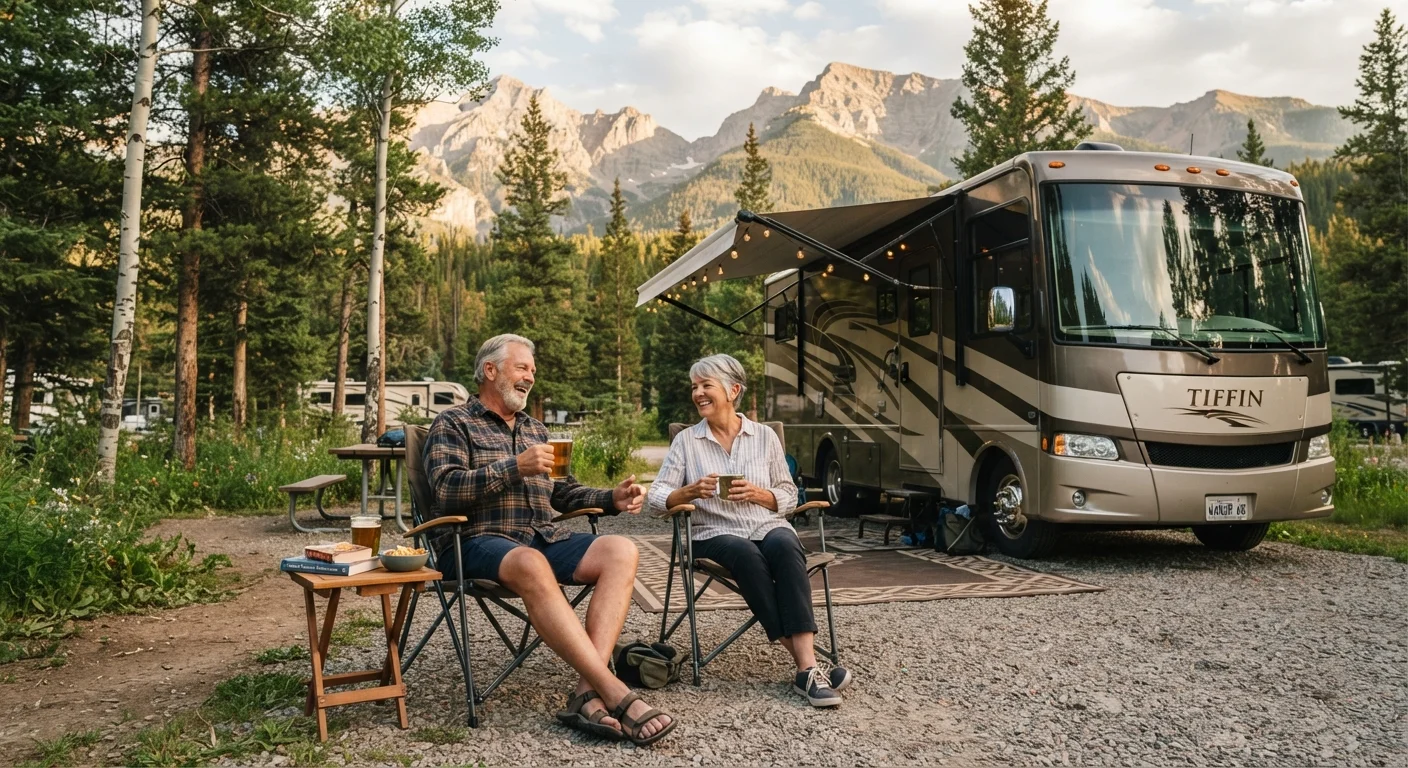
Photo: MyUrbanEscapes.net | Small Escapes. Big Experiences. editorial
Key Takeaways
- Most physical barriers to RV travel have practical workarounds that experienced senior travelers already use.
- Modern RV designs increasingly accommodate mobility limitations, making entry and interior navigation easier.
- Flexible, slower pacing — not marathon drives — is how most senior RVers successfully structure their trips.
- You don't need mechanical expertise; roadside assistance and reliable campground networks handle most issues.
- Many seniors report that RV travel improves their sense of purpose, connection, and well-being on the road.
Why These Myths Persist — and Why They Matter
Fear is a powerful filter. When someone over 65 considers RV travel for the first time — or returns after years away — they often encounter a wall of well-meaning caution from family members, doctors, and even travel agents. Some of that caution is valid. Much of it, however, is based on assumptions that don't reflect how senior RVers actually live and travel today.
The myths below are among the most common reasons older adults talk themselves out of RV trips before they've done the research. Each one contains a kernel of real concern — but none of them holds up when examined against experience and evidence. If you've been held back by one of these, it's worth taking a closer look.
For a broader view of how age shapes the RV experience, see RV Travel After 60: What Changes and What to Plan For — a practical overview of adjustments that help older travelers stay confident and safe.
Myth
RVing is too physically demanding for anyone over 65 — hooking up utilities, driving a large vehicle, and setting up camp require strength and stamina most older adults simply don't have.
Fact
Modern RV setups are designed to minimize physical effort, and most senior RVers adapt their routine so that no single task requires significant strength or exertion.
The image of someone wrestling with heavy water hoses and hand-cranking stabilizer jacks is outdated. Most current RVs include electric leveling systems, lightweight composite hookup connections, and push-button slide-outs. Campground staff at full-service sites frequently assist guests with initial setup — and many senior RVers specifically choose sites with full hookups to eliminate the heaviest physical tasks entirely.
Driving a large vehicle does require adjustment, but Class B motorhomes and smaller travel trailers are well within the handling ability of most licensed drivers. Backup cameras, wide-angle mirrors, and GPS systems designed for RV routing reduce the spatial demands considerably. Many seniors find that practicing in an empty parking lot for a few sessions builds more confidence than months of worrying.
For those with specific mobility considerations, consulting a healthcare provider before a trip is a sensible step — not because RVing is dangerous, but because knowing your own limits helps you plan smarter. This is general information; always discuss your individual health situation with a qualified professional.
Myth
You need to be mechanically skilled to RV — breakdowns happen constantly, and you'll be stranded in the middle of nowhere without the knowledge to fix things yourself.
Fact
Roadside assistance programs cover most mechanical emergencies, and routine maintenance is straightforward enough that it doesn't require specialized expertise.
Mechanical self-sufficiency is helpful but far from required. Roadside assistance plans specifically designed for RVs provide towing, tire changes, and emergency service across the US, typically with 24-hour dispatch. Many campground networks also maintain referral lists of local RV service providers.
The maintenance tasks most senior RVers handle themselves — checking tire pressure, inspecting seals, monitoring battery levels — are no more complex than basic car upkeep. More involved repairs are legitimately best left to qualified RV technicians, and knowing that boundary is a practical skill in itself, not a gap in knowledge.
Choosing a newer or certified pre-owned RV with a current service history further reduces the likelihood of unexpected breakdowns, particularly in the first few years of ownership.
Myth
RV travel means being isolated — far from hospitals, pharmacies, and the medical support that older adults depend on.
Fact
With deliberate route planning, most RV itineraries can stay within a reasonable distance of medical facilities without sacrificing interesting destinations.
This concern has real roots — remote backcountry camping does put distance between travelers and emergency services. But the vast majority of senior RVers don't camp in remote wilderness. They use established campgrounds, state parks, and RV resorts that are typically located near towns with pharmacies, urgent care clinics, and hospitals.
Route planning tools now allow travelers to map campgrounds relative to nearby medical facilities before leaving home. Traveling with a sufficient supply of regular medications, keeping a written medication list accessible, and knowing the location of the nearest hospital on any given night are habits experienced senior RVers treat as standard preparation — not emergency measures.
Travel insurance that includes medical evacuation coverage is worth researching for longer trips. This is general guidance; consult a licensed insurance professional about coverage options appropriate to your specific situation and health history.
Myth
Once you're over 65, the physical discomfort of sleeping in an RV, sitting for long drives, and managing uneven terrain makes the experience more exhausting than enjoyable.
Fact
Senior RVers who pace their travel — shorter daily drives, longer stays, rest days built in — consistently report high satisfaction with comfort and energy levels.
Comfort in an RV is largely a function of how you travel, not just what you drive. Seniors who cap daily driving at two to three hours, schedule full rest days between moves, and invest in quality mattresses and ergonomic seating report very different experiences from those who try to replicate road-trip patterns from their forties.
Many campgrounds offer level, paved pads with minimal uneven terrain between the rig and facilities. Sites with accessible restroom blocks, paved paths, and drive-through parking are increasingly common and easy to filter for when booking. Slow travel by RV — spending more time in fewer places — is a natural fit for this approach and tends to reduce physical fatigue significantly.
Myth
RV travel is too expensive for most retirees on fixed incomes — between fuel, campsite fees, maintenance, and insurance, the costs quickly become unmanageable.
Fact
RV travel costs vary enormously depending on rig type, travel pace, and campground choices — and many seniors find it comparable to or less expensive than other travel styles.
Cost comparisons between RV travel and alternatives depend heavily on individual circumstances — rig ownership versus rental, frequency of travel, and personal spending habits all play significant roles. This is general information, not financial advice; anyone assessing whether RV travel fits their retirement budget should consult a qualified financial adviser.
That said, slower travel pacing directly reduces one of the largest variable costs: fuel. Staying at a site for a week rather than moving daily cuts fuel consumption substantially. Public lands camping through programs like the America the Beautiful pass offers significantly reduced overnight fees. Many full-time RVers also report that eliminating or reducing a fixed housing expense offsets RV costs, though this varies considerably by individual situation.
Rental options allow seniors to test the lifestyle before committing to ownership — a practical way to assess real costs and comfort before making a significant financial decision.
Planning Around Reality, Not Fear
The common thread in each myth above is that it presents a fixed obstacle rather than a solvable problem. Senior RVers who thrive on the road tend to share one mindset: they plan around their actual situation rather than around an imagined worst case.
That means choosing rigs with practical features — low step-in heights, grab handles, automatic leveling systems — rather than the most impressive floor plan. It means embracing a slower pace and longer stays rather than trying to cover maximum miles. And it means building in flexibility so that a stiff back or an unexpected detour doesn't derail the whole trip.
Don't Confuse Caution with a Hard Limit
Physical limitations are real considerations — but they are planning inputs, not automatic disqualifiers. Before ruling out RV travel based on a health condition, speak with your doctor about what specific activities to moderate rather than avoid entirely. Many conditions that seem like barriers can be managed with route adjustments, rest scheduling, and appropriate equipment choices.
If you're weighing full-time RV living specifically, the logistics and health considerations differ from occasional travel. Full-Time RV Living in Retirement: The Realities Alongside the Appeal offers a balanced look at what that commitment actually involves. And for a first-person perspective, What Full-Time RVing Actually Feels Like at 65 and Beyond covers the physical, social, and logistical realities in honest detail.
When you're ready to move from myth-busting to route planning, our Top RV Destinations hub and RV Safety & Comfort resources are good next steps.
1 in 4
RV owners are aged 55 or older
According to the RV Industry Association, older adults represent a substantial and growing share of the RV ownership market in the United States.
2–3 hours
Recommended max daily drive time for senior RVers
Experienced senior RV travel advisers commonly suggest keeping daily driving under three hours to reduce fatigue and improve the overall trip experience.
Over 16,000
Campgrounds and RV parks across the US
The US campground network is extensive, meaning most travel routes pass within a short distance of established facilities with full hookups and nearby services.

Rv Travel Editorial Team
RV Travel Editorial Team is the collective byline for our editorial team and contributor network. Articles published under this byline or an editorial pen name are researched, written, and reviewed according to our editorial standards for clarity, consistency, and independence before publication.
View author profile