
Dining Flexibility on Cruise Ships and What It Means for Seniors With Dietary Needs
How modern cruise dining accommodates low-sodium, diabetic-friendly, and allergy-aware meals — and how to request them in advance.
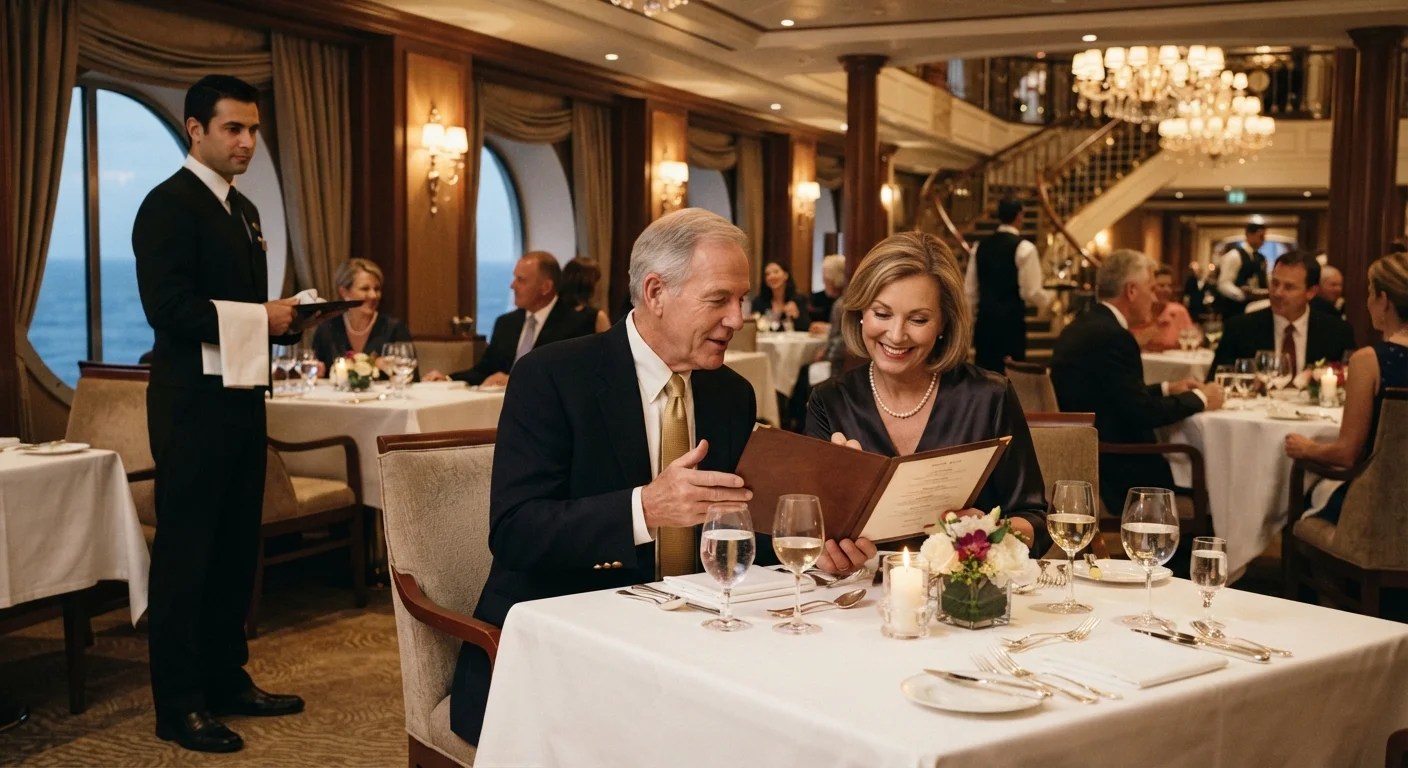
Photo: MyUrbanEscapes.net | Small Escapes. Big Experiences. editorial
—— In This Article
Key Takeaways
- Most major cruise lines accommodate low-sodium, diabetic-friendly, and allergen-free meal requests when notified in advance.
- Contacting the cruise line's special needs or dining services team before departure is the most reliable step.
- Main dining rooms typically offer more customization than buffets, making them the better choice for complex dietary needs.
- Documenting your dietary needs in writing — not just verbally — creates a verifiable record onboard.
- Consulting your physician before sailing helps clarify which dietary parameters matter most for your health.
Why Dietary Flexibility Matters More at Sea
For many seniors, food choices aren't simply a matter of preference — they're a daily health management tool. Managing sodium for heart health, balancing carbohydrates for blood sugar control, or avoiding allergens that trigger serious reactions all require reliable, consistent food preparation. On land, this is manageable. At sea, confined to a ship's kitchen for days or weeks, it requires advance planning and clear communication.
The good news is that contemporary cruise dining has evolved significantly. Many cruise lines now maintain dedicated dietary services, train culinary staff on allergen protocols, and offer menu customization that would rival many land-based restaurants. Understanding how these systems work — and how to access them — puts seniors in the best position to eat safely and enjoyably throughout their voyage.
For a broader look at how cruise ships support older travelers beyond the dining room, see how cruise ships are designed with older travelers in mind.
Best Practices for Managing Dietary Needs on a Cruise
The following practices represent the most effective approaches senior travelers can take to ensure their dietary requirements are met consistently throughout a cruise.
Notify the cruise line of all dietary needs at the time of booking, not at embarkation.
Cruise kitchens need advance notice to source specialty ingredients and brief culinary staff. Last-minute requests are harder to fulfill consistently across a multi-day voyage, particularly for allergen-free preparations that require separate equipment and handling.
Request a meeting with the head waiter or dining room manager on the first day of sailing.
Onboard staff may not automatically cross-reference every reservation's dietary notes with daily menu preparation. Introducing yourself directly to dining leadership reinforces your needs and creates a personal point of contact for the rest of the voyage.
Request low-sodium or modified dishes in writing, using the ship's formal special request system.
Verbal requests can be lost between meal services or staff shift changes. A written record — whether through an online pre-cruise form or a note submitted to guest services — creates a verifiable trail that kitchen supervisors can reference throughout the trip.
Ask specifically how the kitchen prevents cross-contamination for allergen-sensitive meals.
Labeling a dish 'gluten-free' or 'nut-free' on a menu does not automatically mean it was prepared in a fully allergen-safe environment. Understanding the kitchen's actual protocols helps seniors with serious allergies make informed decisions about where and what to eat.
Bring a brief written summary of your dietary requirements in plain language to share with dining staff.
Cruise ships often employ multinational culinary teams where English may be a second language for some staff. A clear, jargon-free written summary — listing what you cannot eat and why — reduces miscommunication and supports consistent, safe meal preparation.
Navigating the Dining Venues Onboard
Most cruise ships offer several dining environments, each with different levels of flexibility. The main dining room is generally the most accommodating space for complex dietary requests — servers can relay needs directly to a head chef, and menus are prepared fresh per table order. Specialty restaurants often operate with smaller teams and can accommodate requests with more precision, though they may carry a supplemental fee.
Buffet venues present a greater challenge. Cross-contamination is harder to prevent in open buffet formats, ingredients may change between meal services, and labeling — while improving across the industry — is not always comprehensive. Seniors with serious allergies or strict dietary parameters are generally better served by the main dining room or a comparable sit-down venue.
Request Your Table Assignment Early
When dining in the main restaurant, having the same waiter each evening is a significant advantage for dietary consistency. That waiter learns your needs quickly and can flag concerns before dishes are served. Ask guest services or the dining manager to assign you a consistent table and server for the duration of the voyage — many cruise lines will honor this request when made early.
For practical guidance on navigating food choices in buffet-heavy environments, see our article on staying hydrated and eating well onboard.
1 in 10
Adults managing a serious food allergy
Research published in JAMA Network Open estimates that roughly 10% of U.S. adults have at least one food allergy, underscoring why cruise lines have expanded allergen protocols in recent years.
85%+
Cruise lines offering dietary pre-request systems
Industry observer reports indicate the large majority of major cruise lines now provide dedicated pre-cruise dietary accommodation forms or accessibility request channels for guests with special needs.
Quick Actions to Take Before and After Boarding
The period between booking and departure is the most important window for securing dietary accommodations. Acting early improves the likelihood that preparations will be in place when you step onboard.
If you're traveling with a chronic condition that affects your dietary needs, the article on cruising with a chronic condition provides a helpful educational overview. And before you finalize your booking, review what to confirm with a cruise line before paying a deposit — dietary capability is one of the most important pre-purchase checkpoints.
This article is for general informational purposes only and is not medical or dietary advice. Seniors with health conditions affecting their nutritional needs should consult a qualified healthcare professional before making decisions about diet management while traveling.

Cruise Travel Editorial Team
Cruise Travel Editorial Team is the collective byline for our editorial team and contributor network. Articles published under this byline or an editorial pen name are researched, written, and reviewed according to our editorial standards for clarity, consistency, and independence before publication.
View author profile