
Everything Seniors Should Confirm With a Cruise Line Before Paying a Deposit
Accessibility features, medical facilities, dietary needs, and cancellation terms — a practical pre-booking checklist for older travelers.
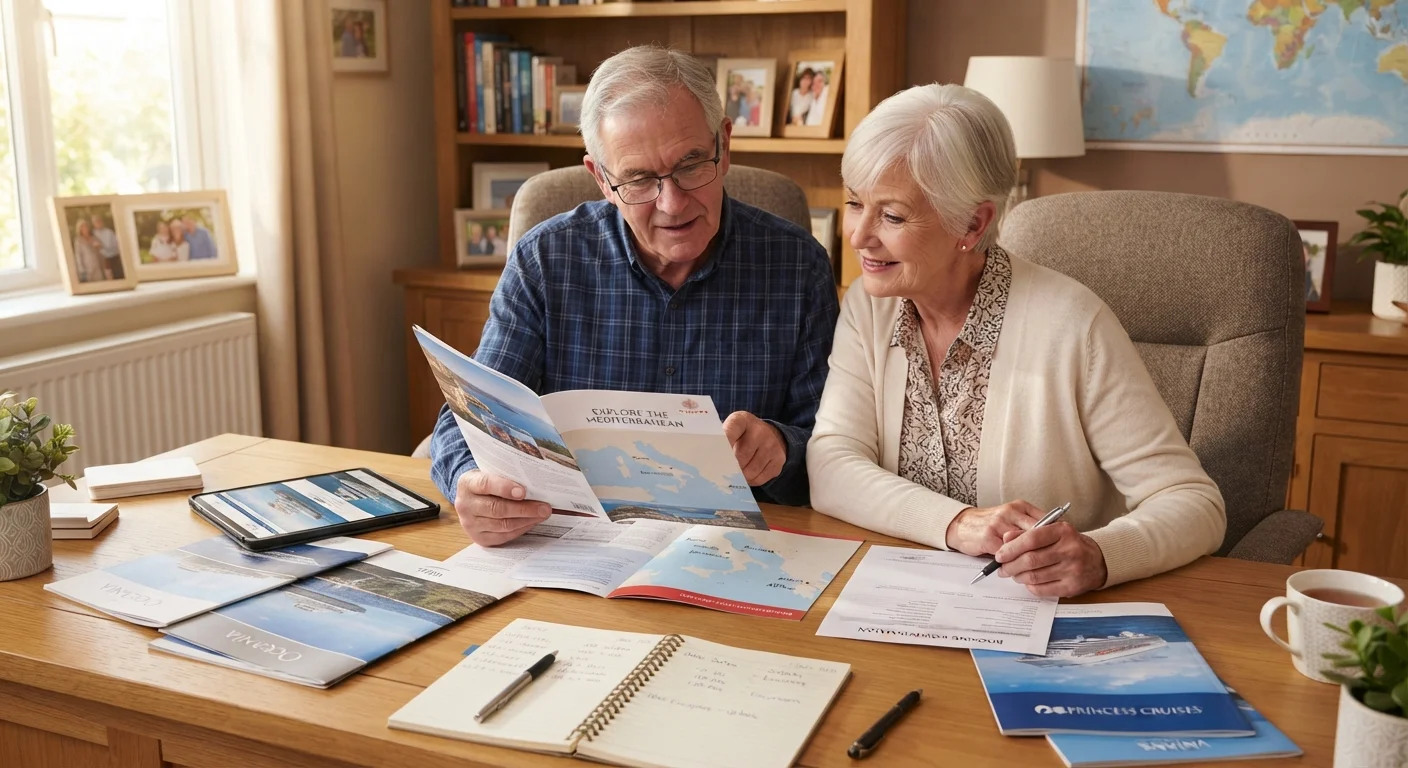
Photo: MyUrbanEscapes.net | Small Escapes. Big Experiences. editorial
—— In This Article
Key Takeaways
- Confirming accessibility features before booking prevents stressful surprises once aboard.
- Medical facility capabilities vary significantly between ships — always verify in advance.
- Cancellation and insurance terms should be reviewed before any deposit is paid.
- Dietary accommodations require advance notice and written confirmation from the cruise line.
- Shore excursion accessibility is separate from onboard accessibility — both need checking.
Why the Questions You Ask Before Booking Matter More Than You Think
A cruise deposit is a financial commitment, and for many seniors, it also represents months of anticipation. Yet the most consequential decisions — whether the ship can accommodate a mobility aid, whether the medical center carries essential equipment, whether a cancellation won't cost a fortune — are made in the minutes before that deposit is paid.
Cruise lines differ widely in their accessibility infrastructure, onboard medical capabilities, dining flexibility, and refund policies. What one ship handles routinely, another may require special arrangements for — or may not accommodate at all. The checklist below is designed to help you ask the right questions, in the right order, so you can book with confidence rather than hope.
For a broader understanding of health and mobility considerations relevant to senior cruisers, see our complete overview of cruise health and safety for seniors.
Accessibility & Mobility
Medical Facilities & Health Support
Dietary & Medication Needs
Shore Excursions & Port Accessibility
Cancellation, Insurance & Financial Terms
How to Use This Checklist Effectively
Contact the cruise line's accessibility or special services desk directly — not a general booking agent — for questions about medical facilities, disability accommodations, and dietary needs. Request written confirmation of any commitment made, and keep copies alongside your booking documents.
Verbal Promises Are Not Enough
If a cruise line representative verbally agrees to an accessible cabin, a dietary accommodation, or a medical equipment arrangement, that commitment is difficult to enforce without written confirmation. Always follow up calls with an email summarizing what was agreed and ask the representative to confirm. Keep this documentation with your booking records throughout the trip.
Once you've confirmed all relevant items, review your financial exposure carefully before signing anything. Our senior traveler's budget preparation checklist and the trip budget audit guide both walk through the financial verification steps worth completing alongside this checklist.
If you're also comparing cruise travel with other vacation formats, the accessibility checklist for vacation rentals offers a useful point of comparison for land-based stays.
Deposit Timing and Cancellation Penalties
Once a deposit is paid, cancellation fees begin to apply according to the cruise line's schedule — which can escalate steeply as the sailing date approaches. Review the cancellation policy in full before submitting any payment, and confirm whether a medical emergency waiver or 'cancel for any reason' option is available through travel insurance. This is general information only; consult a licensed insurance or travel professional for advice specific to your situation.
After confirming everything on this list, your next step is the pre-departure phase. Our pre-cruise health checklist and the accessibility checklist for senior first-time cruisers cover what to prepare once your booking is confirmed.
This article provides general travel planning information and is not a substitute for personalized medical, financial, or legal advice. Always consult qualified professionals for decisions specific to your health, finances, or legal situation. Verify all travel conditions, policies, and entry requirements directly with cruise lines and relevant government sources before booking.

Cruise Travel Editorial Team
Cruise Travel Editorial Team is the collective byline for our editorial team and contributor network. Articles published under this byline or an editorial pen name are researched, written, and reviewed according to our editorial standards for clarity, consistency, and independence before publication.
View author profile