
Before You Sail: An Accessibility Checklist for Senior First-Time Cruisers
A practical pre-departure checklist covering cabin requirements, medical prep, mobility aids, and special assistance requests for older cruisers.
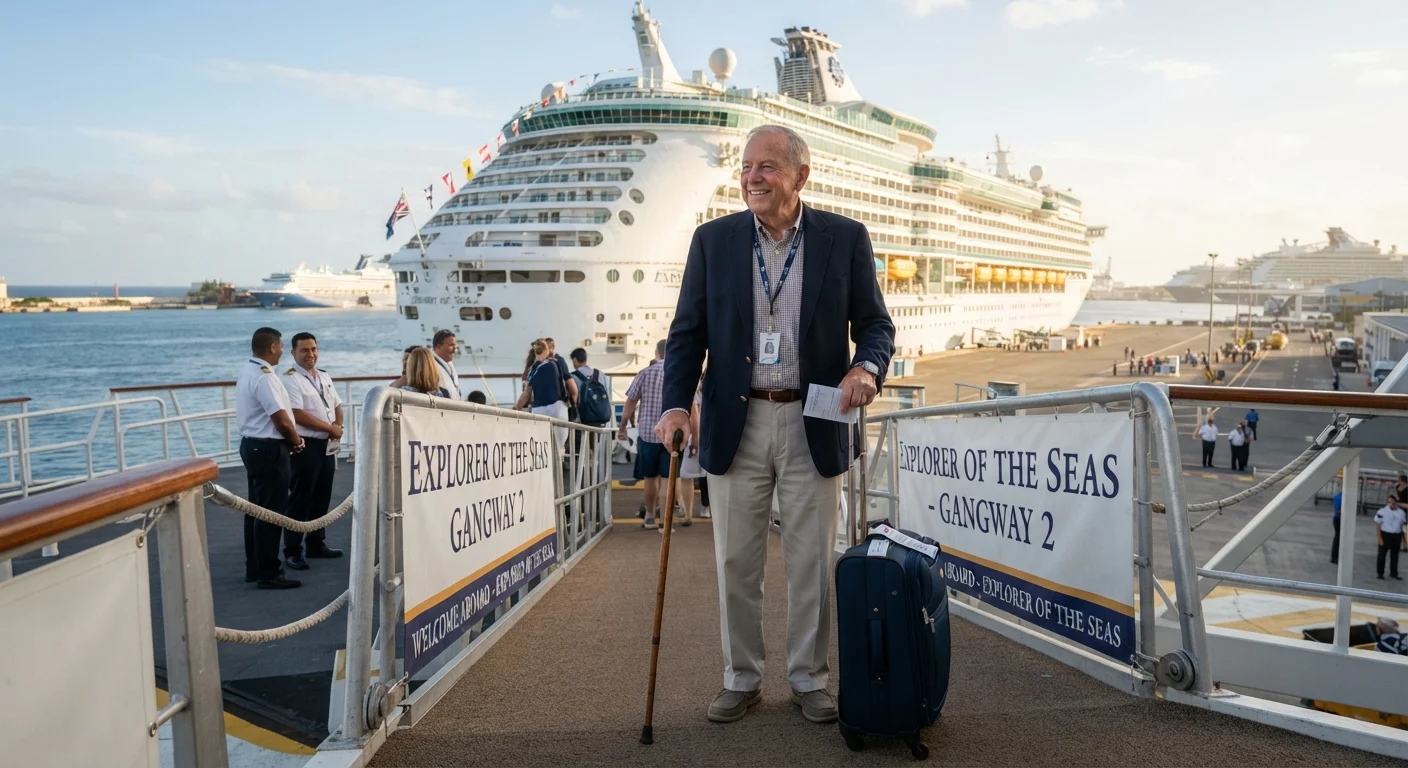
Photo: MyUrbanEscapes.net | Small Escapes. Big Experiences. editorial
—— In This Article
Key Takeaways
- Accessible cabin categories fill quickly — request one at the time of booking, not after.
- Cruise lines require advance notice for mobility aids, oxygen equipment, and dietary accommodations.
- Travel insurance with medical evacuation coverage is especially important for senior cruisers.
- Embarkation day involves more walking and waiting than most first-timers expect — plan accordingly.
- Consulting your physician before sailing is advisable, particularly if you manage chronic conditions.
Why a Pre-Sail Checklist Matters for Older Cruisers
A cruise vacation offers seniors a compelling combination: one unpacked suitcase, dozens of destinations, and onboard medical staff within reach. But first-time cruisers — particularly those with mobility limitations or chronic health conditions — often discover too late that accessibility accommodations require advance coordination, not dockside requests.
This checklist is designed to close that gap. Work through it at least four to six weeks before departure to give yourself and the cruise line enough lead time to act on anything that needs arranging. For a broader pre-departure health framework, see our pre-cruise health checklist for seniors. If you use a wheelchair or mobility scooter, our complete guide to cruising with a mobility aid covers ship design and shore access in detail.
Accessible Cabins Are Limited — Act Early
Every ship carries a finite number of accessible staterooms, and they are typically claimed months before departure. Waiting until after booking to request accessibility features significantly reduces your options. Always communicate accessibility needs at the initial booking stage and get confirmation in writing.
Tools and Resources You'll Need
Before working through the checklist, gather the following. Having everything in one place makes each step faster and reduces back-and-forth with the cruise line.
Cruise Line Special Needs / Services Form
Used to formally document accessibility, mobility aid, dietary, and medical equipment requirements with the cruise line.
Physician's Letter or Medical Summary
Documents your medical conditions and current medications for the ship's medical staff and for travel insurance claims.
Travel Insurance Policy Documents
Confirms your medical evacuation, trip cancellation, and health coverage terms — essential reading before you sail.
Medication List (Printed)
A printed list of all medications with generic names, dosages, and prescribing physician contact details.
Mobility Device Specifications Sheet
Documents exact dimensions and power requirements of your wheelchair or scooter for the cruise line's accessibility team.
Cruise Line Accessibility Contact
The dedicated accessibility or special services telephone number and email address for your cruise line.
The Accessibility Checklist
The items below are organized into logical phases — from booking decisions through embarkation day. Tackle them in order, since some earlier items affect later ones (for example, your cabin selection determines which bathroom configuration is available).
Booking and Cabin Selection
Medical and Health Preparation
Mobility Aids and Special Equipment
Special Assistance Requests
Insurance and Documentation
Embarkation day itself deserves special attention. For a detailed walkthrough of what to expect when you first board, see why seniors underestimate embarkation day.
Medicare Does Not Cover Care at Sea
Original Medicare generally does not provide coverage for medical services received outside the United States, including aboard cruise ships sailing international waters. Without appropriate travel insurance that includes medical coverage and evacuation, a medical event at sea can result in substantial out-of-pocket costs. Review your existing coverage carefully and consult an insurance professional if you have questions about your specific plan.
Onboard Features Worth Confirming in Advance
Modern cruise ships have invested significantly in accessibility infrastructure, but features vary by vessel and by ship class within the same cruise line. When confirming your booking, ask specifically about: roll-in showers versus grab-bar-equipped tub configurations; elevator access to all public decks including the pool deck; TTY (teletypewriter) or visual-alert systems for hearing-impaired guests; and whether the medical center is staffed around the clock.
Balance and fall prevention are concerns that extend beyond the cabin. Wet pool decks, narrow corridors during lifeboat drills, and nighttime deck movement all present challenges. Our article on balance and fall prevention aboard ships explains the specific risks and practical strategies to manage them.
For a comprehensive list of questions to ask before you commit financially, including accessibility terms and cancellation policies, refer to everything seniors should confirm with a cruise line before paying a deposit.
This article provides general travel planning information and is not a substitute for personalized medical, legal, or financial advice. Consult a qualified healthcare provider regarding any health conditions or medications before traveling.

Cruise Travel Editorial Team
Cruise Travel Editorial Team is the collective byline for our editorial team and contributor network. Articles published under this byline or an editorial pen name are researched, written, and reviewed according to our editorial standards for clarity, consistency, and independence before publication.
View author profile