
Matching Cruise Destinations to Your Physical Comfort Level
Some ports demand steep terrain or long walks. Learn how to assess destination demands against your mobility and stamina before choosing a route.
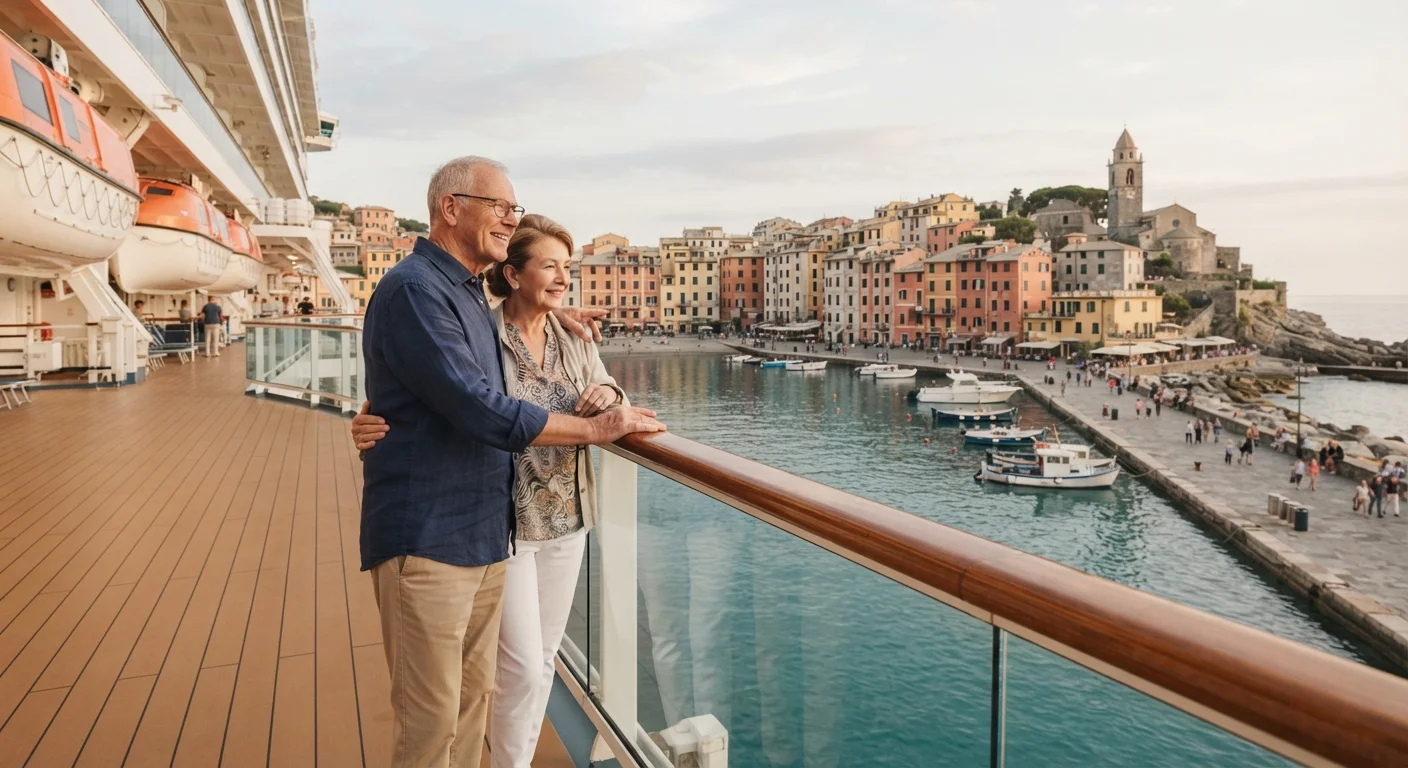
Photo: MyUrbanEscapes.net | Small Escapes. Big Experiences. editorial
—— In This Article
Key Takeaways
- Port terrain, walking distance, and surface conditions vary dramatically and affect physical comfort.
- Assessing your own mobility and stamina honestly is the most important step in itinerary selection.
- Tender ports, cobblestone streets, and steep hillside towns present the greatest challenges for limited mobility.
- A higher ratio of sea days to port days can significantly reduce daily physical demands.
- Contacting cruise lines directly about port accessibility before booking prevents unpleasant surprises.
Why Destination Terrain Matters More Than Most Travelers Expect
Cruise brochures showcase sunsets and shorelines, rarely the 200 stone steps between the pier and the old town. For senior travelers — particularly those managing joint pain, reduced stamina, or balance concerns — the physical layout of a port can determine whether a destination is enjoyable or simply exhausting.
Terrain mismatches are one of the most common causes of frustration among first-time cruise passengers. A traveler who walks comfortably for 20 minutes on flat ground may find a hillside Mediterranean town genuinely inaccessible. Conversely, a Caribbean itinerary built around flat, paved waterfronts may offer far more independent exploration than expected.
Understanding the physical demands of each port before you commit to an itinerary is not overly cautious — it is practical trip planning. The steps below will help you build that understanding systematically.
What you will need
Tools and Information Sources You Will Need
Gathering the right information before you start comparing itineraries saves significant time and prevents costly booking decisions based on incomplete pictures. The resources below cover the core inputs for this process.
Itinerary port list
Identifies each destination you will visit so you can research terrain and accessibility in advance.
Cruise line accessibility desk contact
Allows you to request detailed port information and onboard accommodation specifics before booking.
Topographic or street-level mapping tool
Helps you visualize elevation changes and walking distances from pier to key port attractions.
Personal mobility aid (cane, walker, or scooter)
Ensures you are prepared for uneven surfaces or extended walks encountered in port.
In addition to external sources, firsthand traveler accounts — particularly from disability travel communities and senior cruise forums — often fill in gaps that official port guides leave out. Physical hazards such as uneven cobblestones, steep ramps, or absent handrails are frequently noted in these spaces. Our article on falls and uneven ground in popular destinations provides a broader look at navigating physical hazards abroad.
Step-by-Step: Matching Your Itinerary to Your Physical Reality
Follow these steps in sequence. Each builds on the one before it, moving from self-assessment through destination research to a final itinerary decision.
Honestly assess your current physical baseline
Before evaluating any destination, take stock of your daily mobility. Ask yourself: How far can you walk comfortably without resting? Do stairs or inclines cause significant discomfort? Do you rely on a mobility aid? Your answers set the floor for every decision that follows.
If you have a chronic condition that affects stamina or balance, review your plans with your physician before selecting an itinerary. This is general planning guidance — your doctor knows your specific situation best.
Research the physical geography of each port
Pull the full port list from any itinerary you are considering. For each destination, investigate terrain type: Is the port flat and walkable, or does the town center sit on a steep hillside? Mediterranean ports such as Santorini or Dubrovnik involve significant climbing and uneven cobblestone surfaces. In contrast, ports like Nassau in the Bahamas or Cozumel in Mexico tend to offer flatter, more accessible waterfronts.
Use street-level mapping tools to trace a route from the cruise pier to the main attractions. Note elevation changes and surface descriptions where available.
Identify tender ports and factor them into your decision
A tender port requires passengers to board a small boat to reach the shore, as the ship anchors offshore rather than docking at a pier. This involves descending a gangway onto a rocking vessel, which presents real balance and mobility challenges. Some cruise lines may decline to tender passengers who use certain mobility aids when sea conditions are rough.
Check your itinerary carefully for tender ports and weigh whether those destinations are worth the added complexity. See our guide to mobility aids on cruise ships for more on how ships handle boarding for passengers with mobility limitations.
Check the ratio of sea days to port days
Sea days — days spent sailing without a port stop — are genuine rest days that require no walking beyond the ship itself. An itinerary packed with consecutive port days can be physically exhausting even for travelers with solid stamina. If your endurance is limited, look for itineraries where sea days are interspersed regularly throughout the voyage.
Our article on sea days vs. port days covers pacing strategies in more depth.
Contact the cruise line's accessibility desk directly
Most major cruise lines operate a dedicated accessibility or special needs desk. Before booking, call or email with specific questions: What is the surface type on the pier? Is shuttle transport available from the ship to the town center? Are shore excursions offered that are rated for limited mobility?
Document the responses you receive. This information is valuable both for planning and for resolving any discrepancies once onboard.
Match your findings to your baseline and finalize your route
With terrain data, tender status, sea-day ratios, and accessibility desk input in hand, compare each itinerary against your physical baseline established in Step 1. Prioritize routes where the majority of ports align with your comfortable walking range and surface tolerance.
For excursion planning once you have selected a route, see our article on shore excursions for limited mobility, which walks through how to evaluate port activities before you sail.
Skipping a Port Is Always an Option
No itinerary rule requires you to go ashore at every stop. If a port's terrain does not match your comfort level on the day, remaining onboard is a perfectly valid choice. Ships are far less crowded during port days, and many passengers find this one of the most relaxing times to enjoy onboard amenities at their own pace.
If you are traveling with a chronic condition that affects your stamina or mobility, our overview of cruising with a chronic condition addresses how common health needs intersect with cruise travel planning more broadly.
Regional Patterns Worth Knowing Before You Choose
While every port has its own character, certain regional patterns can guide initial itinerary filtering. Caribbean itineraries generally feature flat, developed waterfront areas with accessible infrastructure. Alaska itineraries often involve dock-to-town transfers and variable terrain, though many ports are small and manageable. Northern European ports vary widely — some are flat and walkable, others involve cobblestone historic districts.
Mediterranean itineraries present the most variability. Flat, accessible ports such as Barcelona's waterfront or the harbor towns of the Canary Islands contrast sharply with clifftop villages that require cable cars, funiculars, or extensive stair climbing. Our article on Mediterranean cruise port towns worth a longer stay highlights specific ports that tend to reward seniors who linger, in part because their layout supports it.
Heat Amplifies Physical Demands Significantly
In warm-climate ports, high temperatures and humidity can make a manageable walk feel considerably harder. If your stamina is sensitive to heat, factor weather conditions into your port assessments — not just terrain. Plan shore time for earlier in the day when temperatures are lower, and carry water at all times.
For travelers weighing warm-weather options specifically, see choosing a warm destination when mobility or chronic conditions matter for destination-level guidance that goes beyond cruise itineraries.

Cruise Travel Editorial Team
Cruise Travel Editorial Team is the collective byline for our editorial team and contributor network. Articles published under this byline or an editorial pen name are researched, written, and reviewed according to our editorial standards for clarity, consistency, and independence before publication.
View author profile