
The Mediterranean Cruise Port Towns Worth Extending Into a Land Stay
Some ports are worth more than a day ashore. These accessible Mediterranean towns reward seniors who choose to linger a little longer.
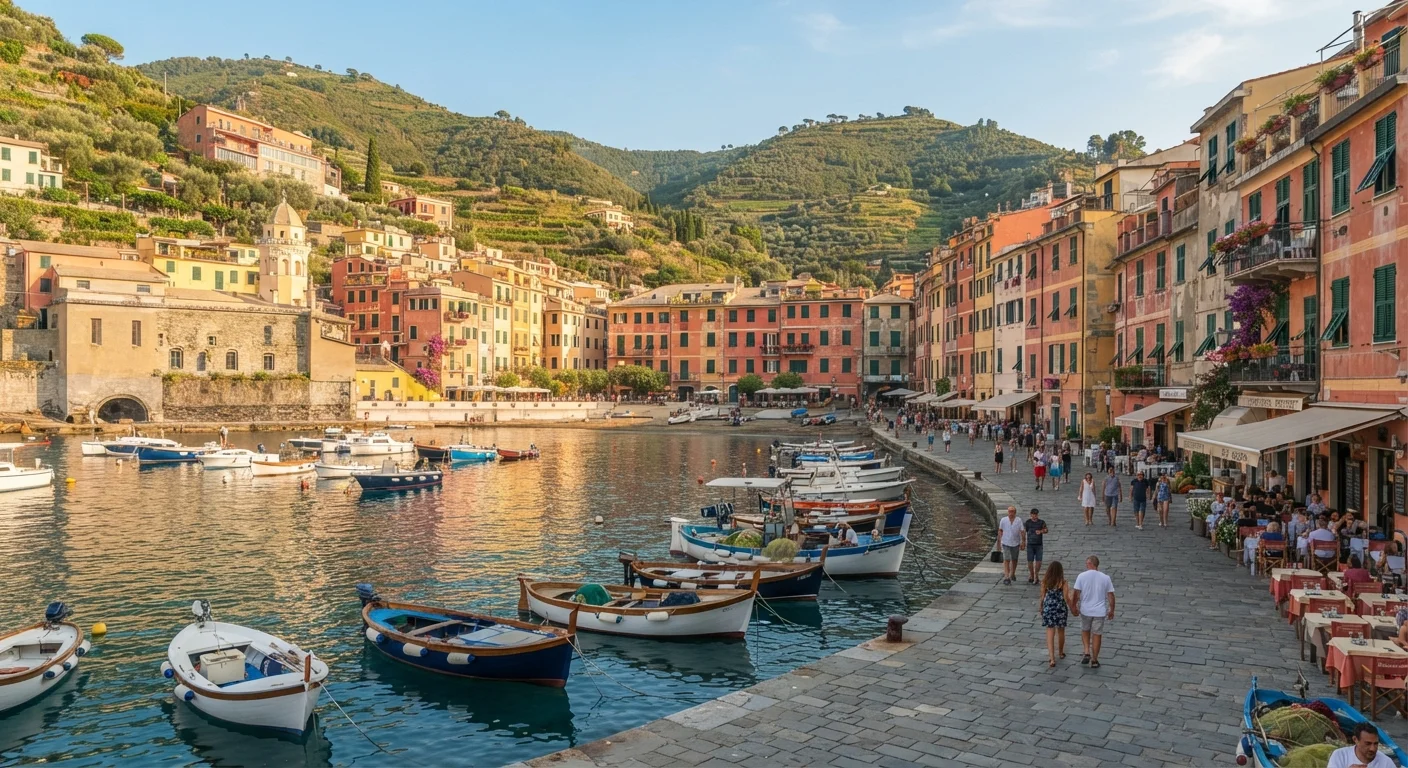
Photo: MyUrbanEscapes.net | Small Escapes. Big Experiences. editorial
—— In This Article
Key Takeaways
- Several Mediterranean cruise ports have flat, walkable historic centers well-suited to seniors with mobility considerations.
- Extending a cruise stay into a land trip reduces logistical stress and unlocks a more genuine local experience.
- Vacation rentals and smaller hotels near port centers often offer better accessibility than larger resort properties.
- Proximity to quality healthcare infrastructure is a meaningful factor when choosing where to extend a stay.
- Each port town below has been evaluated for terrain, transit, crowd levels, and senior-friendly amenities.
Why Some Ports Deserve More Than a Day
Most Mediterranean cruises allot six to ten hours per port — barely enough time to orient yourself before you're back on the gangway. For a handful of towns along the route, that's a genuine loss. These are places with unhurried piazzas, reliable public transit, mild climates, and old-city centers compact enough to navigate without a car or a high step count.
Staying on is a practical option, not just a romantic idea. You can disembark at a selected port, check into a rental or a small hotel, and rejoin a later cruise segment or fly home independently. Extended rental stays reduce the daily pace pressure that makes multi-city travel exhausting, and they typically lower per-night costs once weekly rates apply.
Before committing, it's worth assessing how a destination's physical demands match your own stamina and mobility — matching cruise destinations to your physical comfort level is a useful framework whether you're planning a single port or a full itinerary. The towns below each clear a clear bar for accessibility, healthcare proximity, and livability beyond the tourist surface.
Time Your Extension for Shoulder Season
Most Mediterranean ports are significantly more pleasant — and more accessible — outside of peak summer months. Late April through early June and September through October bring milder temperatures, smaller crowds, and easier access to restaurants and sites. For seniors managing heat sensitivity or preferring a quieter pace, shoulder-season extensions are worth planning around deliberately.
Mediterranean Port Towns Worth a Longer Look
Dubrovnik's Port of Gruž, Croatia
Cruise ships dock at the Gruž port, about two miles from the Old City — a short bus ride that runs frequently and costs very little. The Old City itself is largely pedestrianized and flat once you're through the main gates, with stone-paved streets that, while uneven, are navigable at a slow pace. The city wall circuit is a significant climb and best skipped by travelers with knee or balance concerns, but the interior lanes, cafés, and waterfront promenade offer plenty without it.
Dubrovnik has a well-regarded general hospital within the city, a mild shoulder-season climate in May and October, and a range of smaller guesthouses in the Old City that are more accessible than they look from the outside. Crowds peak sharply in July and August — an extended stay is far more rewarding from late April through early June or in September.
Dubrovnik's Old City interior is largely flat and pedestrianized — manageable at a relaxed pace.
Valletta, Malta
Malta's capital is one of the smallest capital cities in the EU and one of the most compact cruise ports in the Mediterranean. The entire historic center is walkable in a day, but its depth — Baroque architecture, hidden gardens, world-class museums, and the Grand Harbour — justifies staying three to five nights easily. English is an official language, which removes one layer of logistical friction for American travelers.
The terrain is hilly in places, but Valletta has a historic lift (the Barrakka Lift) connecting the lower harbor area to the Upper Barrakka Gardens, and most of the main thoroughfare, Republic Street, is level. Malta's healthcare system is well-developed by regional standards, with a public hospital in Valletta itself. Temperatures are mild from October through April, making it a strong winter or early-spring option.
English is an official language in Malta, reducing logistical friction for American travelers significantly.
Kotor, Montenegro
Kotor is one of the Adriatic's best-preserved medieval towns — a UNESCO-listed walled city set against dramatic limestone mountains at the end of a fjord-like bay. The Old Town is car-free and compact, and while the famous fortress hike is steep and long, the town interior and the bay-side promenade are entirely accessible at street level.
Accommodation options inside and just outside the walls include small family-run hotels and rental apartments. The Bay of Kotor has a calm, sheltered microclimate that makes spring and autumn visits very comfortable. Medical facilities in Kotor are more limited than in larger cities, so travelers with active health concerns should plan accordingly — the nearest larger hospital is in Podgorica, about 90 minutes by road. That said, for a healthy traveler seeking a quiet, deeply historic experience, Kotor offers exceptional value and very low-stress logistics.
Kotor's car-free Old Town and sheltered bay climate make it a low-stress choice for independent exploration.
Syracuse, Sicily, Italy
Syracuse — Siracusa in Italian — is one of Sicily's most historically layered cities and among the least overtouristed on the island. The ancient island of Ortigia, connected to the mainland by two short bridges, is the heart of the old city: a grid of Baroque palaces, seafood restaurants, and a cathedral built directly over a Greek temple. Ortigia is largely flat and compact enough to cover thoroughly on foot in a few days.
Syracuse has a public hospital, reliable bus connections to Catania's international airport (roughly 60 miles north), and a historic center with good accommodation density. It sits outside the major cruise circuit's heaviest traffic, so even in summer it feels quieter than Palermo or Taormina. For seniors interested in ancient history with minimal logistical friction, it's one of Sicily's strongest choices.
Ortigia's flat grid and Greek-Baroque heritage make Syracuse one of Sicily's most accessible historic centers.
Lisbon, Portugal (Port of Cruise Terminal)
Lisbon's cruise terminal sits on the Tagus riverfront, within a short taxi or tram ride of the central neighborhoods. The city is famously hilly — the Alfama and Bairro Alto districts involve real climbs — but the Baixa (downtown) and waterfront Belém area are flat, and the city's historic trams and funiculars (eleviculars) exist precisely because of the terrain. Planning a stay around flatter neighborhoods dramatically changes the experience for travelers with mobility limitations.
Lisbon is one of Western Europe's most affordable capital cities for accommodation and dining, has excellent public transit, and offers direct flight connections to major US gateways. Its healthcare infrastructure is strong, and English is widely spoken in the central city. A four- to seven-night extension here is genuinely practical and adds substantial cultural depth to any western Mediterranean cruise itinerary. Explore other affordable senior-friendly destinations if budget is a key factor in your planning.
Lisbon's flat waterfront neighborhoods and funicular network make the city navigable despite its famous hills.
Verify Entry and Insurance Requirements
Staying beyond a cruise itinerary in Europe may have implications for Schengen Zone visa allowances and your travel insurance policy. Some policies require continuous travel from a home departure point, while others cover pre-arranged extensions. Always confirm current visa rules through official government sources and review your policy terms before booking a land extension.
Planning Your Extended Stay Practically
Once you've identified a port you want to linger in, the logistics are straightforward with early planning. Notify your cruise line before departure that you intend to disembark independently — most lines require written notice and will remove you from onward cabin assignments. Book accommodations in the port town for your extended stay, prioritizing properties within walking distance of the old city or near reliable bus and tram lines.
If you're returning to the ship at a later date or a different port, verify visa requirements for your nationality. Schengen Zone rules, for example, limit cumulative stays across member countries, so a two-week extension in Italy or Croatia counts against your allowed days. Always confirm current entry requirements through official government travel advisory sources before finalizing plans.
For those who prefer structure during port time, weighing guided excursions against independent exploration can help clarify which approach suits your travel style before you commit to going it alone for a full week. And if you find the pace of longer land stays appealing, it's worth considering how that contrasts with what extended stays in domestic destination towns actually involve.

Top Destinations Editorial Team
Top Destinations Editorial Team is the collective byline for our editorial team and contributor network. Articles published under this byline or an editorial pen name are researched, written, and reviewed according to our editorial standards for clarity, consistency, and independence before publication.
View author profile