
Common Myths About Vacation Rental Safety and What the Reality Looks Like
From keyless entry concerns to host accountability, separating fact from fiction helps seniors book with greater confidence.
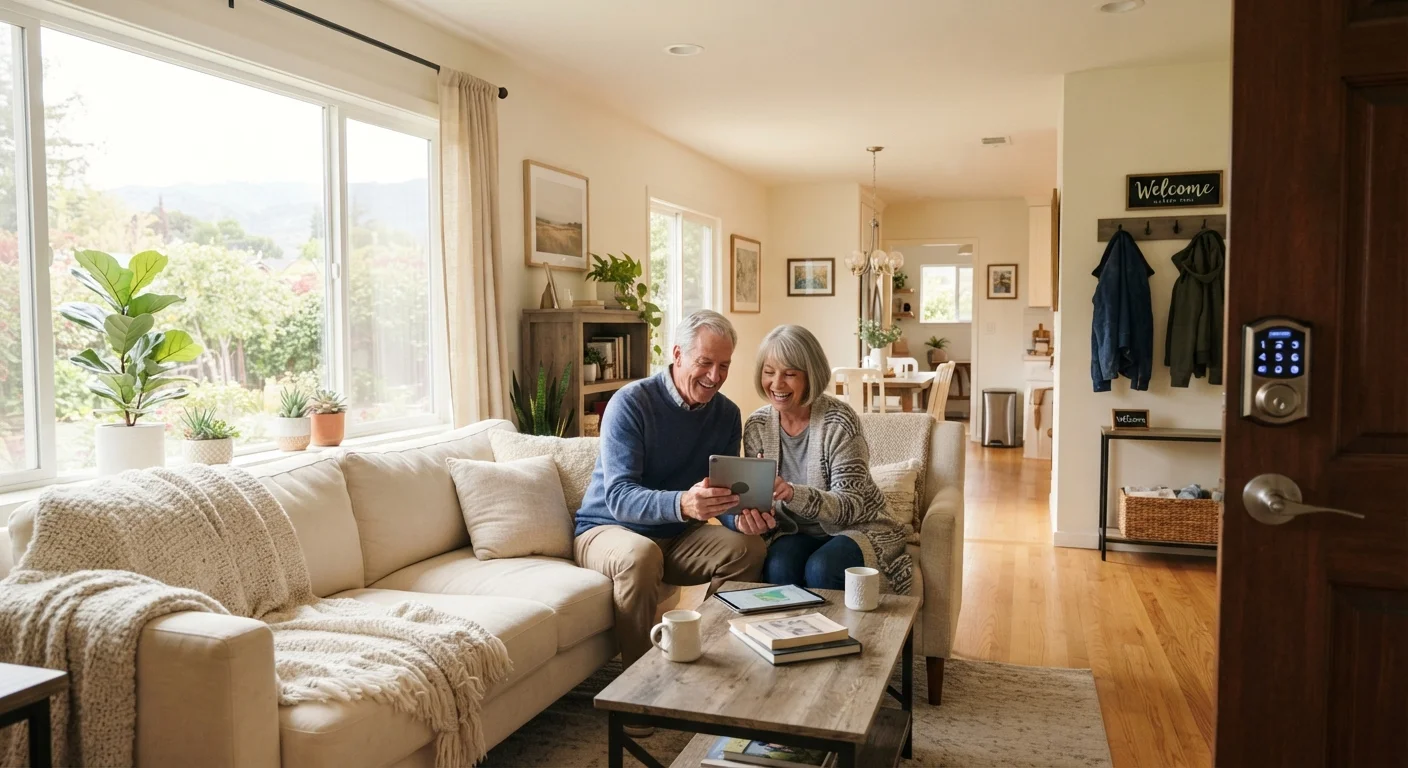
Photo: MyUrbanEscapes.net | Small Escapes. Big Experiences. editorial
—— In This Article
Key Takeaways
- Reputable vacation rental platforms enforce host accountability standards that protect guests, including seniors.
- Keyless entry systems are generally designed for ease of use and can enhance security compared to traditional keys.
- Most safety concerns can be addressed proactively by reviewing listings carefully and communicating with hosts before booking.
- Accessible and senior-friendly rentals exist in greater numbers than many travelers assume — knowing how to search helps.
- Platform guest protections and review systems give travelers meaningful recourse if a rental does not meet expectations.
Why Safety Myths Discourage Seniors From Booking Rentals
Vacation rentals have grown substantially as a travel accommodation option, yet a persistent cluster of safety myths continues to give many senior travelers pause. Some concerns are rooted in genuine uncertainty about how these platforms work; others are simply outdated impressions that no longer reflect current host accountability standards or booking safeguards.
Addressing these misconceptions directly matters, because unfounded fears can prevent older adults from accessing comfortable, affordable, and genuinely well-suited accommodations. The practical process of finding rentals is more structured and protective than many first-time users expect, and understanding how the system actually works is the first step toward booking with confidence. You may also find it useful to compare how similar myths affect other travel formats — for instance, cruise myths that put seniors off sailing follow a very similar pattern of fiction overtaking fact.
Myth
Vacation rentals have no real accountability — hosts can misrepresent their properties without consequences.
Fact
Major platforms have review systems, identity verification requirements, and guest protection policies that create meaningful accountability for hosts.
The idea that hosts can post any description they like with no repercussions is inaccurate. Established platforms require hosts to meet listing accuracy standards and face consequences — including removal — for verified misrepresentation. Guest reviews are publicly visible and difficult to manipulate at scale, which means a host's track record is generally accessible before you book. Platforms also typically offer rebooking assistance or refunds under specific circumstances when a property does not match its listing. This does not guarantee a perfect experience, but it is meaningfully different from an unregulated marketplace.
Myth
Keyless entry locks are confusing and less secure than traditional door keys.
Fact
Keypad and app-based locks are designed for straightforward use and can be more secure because access codes are unique to each guest stay.
Many seniors encounter keyless entry for the first time in a vacation rental and assume the technology is complicated or easy to bypass. In practice, most keypad systems require only a 4–6 digit code — no app download necessary — and hosts typically provide clear written instructions in advance. From a security standpoint, a code that changes with each new guest is harder to duplicate than a physical key. If you have concerns about operating a specific lock type, it is entirely reasonable to contact the host before arrival and ask for a walkthrough or written guide.
Myth
Accessible and step-free vacation rentals are extremely rare and nearly impossible to find.
Fact
Many platforms now include dedicated accessibility filters, and the supply of step-free, grab-bar-equipped rentals has grown considerably.
While it is true that not every rental is accessible, assuming they are uniformly unavailable leads seniors to stop searching before they have used the available tools. Accessibility filters on major booking platforms allow users to select for step-free entry, roll-in showers, wide doorways, and other features. Reading our companion piece on myths about accessible vacation rentals can sharpen your search strategy further. The key is knowing which terms to use and which filters to apply — not assuming the inventory does not exist.
Myth
If something goes wrong at a rental, guests have no recourse and will simply lose their money.
Fact
Platform guest protection programs and credit card purchase protections both offer recourse, though eligibility conditions apply.
This myth causes unnecessary anxiety and sometimes leads travelers to avoid rentals altogether. Most major platforms publish explicit guest protection policies covering scenarios such as a property being unavailable upon arrival or significantly misrepresented. Documenting issues with photographs and reporting them through the platform's official channel — rather than resolving them informally — is the step most guests miss. Additionally, many credit cards include purchase protection or travel insurance features that may apply to prepaid accommodation. Reviewing both the platform's policy and your card's benefits before booking gives you a clearer picture of your actual options.
Myth
Vacation rental neighborhoods are unpredictable and inherently less safe than hotel districts.
Fact
Rental safety depends on the specific neighborhood and property, which guests can research in advance using publicly available tools.
Hotels are often assumed to occupy uniformly safe, well-traveled corridors, while rentals are imagined to be in isolated or unfamiliar areas. In reality, rentals exist across an enormous range of neighborhoods — many in walkable, well-lit, and low-crime areas. Tools such as local government crime statistics, neighborhood walkability scores, and community review sites allow travelers to evaluate an area before committing. Asking the host directly about parking, nearby amenities, and street lighting is also a legitimate and commonly accepted practice that most responsive hosts are happy to answer.
What Seniors Can Do to Verify Safety Before and During a Stay
Dispelling myths is only part of the picture. Translating accurate knowledge into practical habits is what actually makes a rental stay safe and comfortable. Before arrival, read the full listing description carefully — hosts are generally required to disclose key features, and the review record often reveals patterns more reliably than any individual claim.
Avoid Resolving Issues Outside the Platform
If a rental does not match its listing or a safety concern arises, report it through the booking platform's official support channel rather than settling it privately with the host. Informal side agreements can disqualify you from platform guest protection programs. Keep all communication on the platform record and document any issues with dated photographs before making changes to the property's condition.
On arrival, spend a few minutes orienting yourself to the property: locate exits, test smoke and carbon monoxide alarms, and confirm that door locks function as described. These small habits make a measurable difference, and our detailed guide on staying safe in an unfamiliar rental walks through each step systematically.
For broader travel safety habits that apply beyond any single property type, the safety while traveling hub offers practical, senior-focused guidance. And if you want to understand which safety assumptions about older travelers are themselves misleading, myths about senior travel safety is worth reading before your next trip.
70%+
Travelers who read reviews before booking
Industry surveys consistently find that the large majority of vacation rental guests consult multiple guest reviews as a primary trust signal before confirming a reservation.
~1 in 4
U.S. adults aged 55+ who used rentals
Research from travel industry analysts has found that older adult adoption of vacation rental platforms has risen steadily, reflecting growing familiarity with the booking process.

Vacation Rentals Editorial Team
Vacation Rentals Editorial Team is the collective byline for our editorial team and contributor network. Articles published under this byline or an editorial pen name are researched, written, and reviewed according to our editorial standards for clarity, consistency, and independence before publication.
View author profile