
Heat, Altitude, and Cold: How Different Climates Affect Older Travelers
The body's ability to regulate temperature and adapt to altitude changes with age. Here's what seniors should understand before choosing or visiting challenging climates.
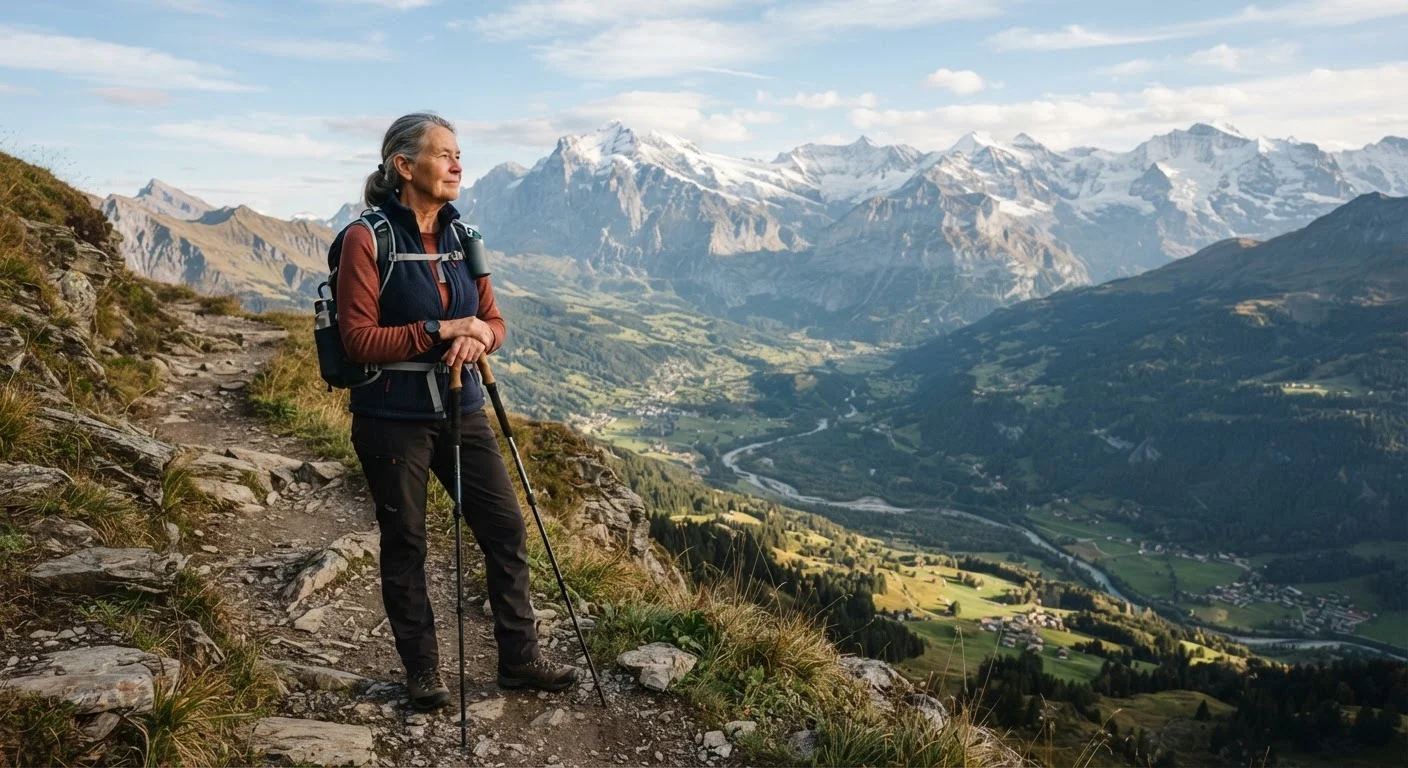
Photo: MyUrbanEscapes.net | Small Escapes. Big Experiences. editorial
—— In This Article
Key Takeaways
- Older adults lose heat-sensing efficiency, making them more vulnerable to both overheating and cold exposure.
- High-altitude destinations can trigger altitude sickness more quickly in seniors, especially those with heart or lung conditions.
- The thirst mechanism weakens with age, increasing dehydration risk in both hot and cold climates.
- Many common medications affect how the body responds to temperature extremes — review these with a doctor before travel.
- Pre-travel consultation with a healthcare provider is especially important when visiting climates that differ significantly from home.
Why Climate Affects Older Travelers Differently
The human body is remarkably adaptable — but that adaptability narrows with age. Several physiological changes that accumulate over decades directly affect how well the body copes with heat, cold, and reduced oxygen at altitude. These changes are normal, but they have real consequences for travel planning.
Key shifts include a declining ability to regulate core body temperature, reduced cardiovascular reserve, slower kidney filtration, and a blunted sense of thirst. Together, these make older adults more susceptible to heat exhaustion, hypothermia, and altitude-related illness — particularly when the change in climate is abrupt.
This doesn't mean seniors should avoid challenging destinations. It means they benefit from knowing the risks specific to each climate type and taking targeted steps before and during travel. For broader context on how the body handles environmental stress during trips, the overview of climate extremes and older travelers provides a useful reference point.
2–3×
Higher heat-related mortality risk in adults over 65
The CDC notes that adults aged 65 and older are among the groups at highest risk of heat-related illness and death during extreme heat events.
~25%
Reduction in sweat rate associated with aging
Research published in exercise physiology literature suggests older adults produce meaningfully less sweat than younger adults under the same heat stress conditions.
8,000 ft
Elevation at which altitude sickness risk increases
The Wilderness Medical Society identifies elevations above approximately 8,000 feet as the threshold where most travelers begin experiencing physiological effects of reduced oxygen.
Heat: The Risks of a Diminished Cooling System
Heat is among the most well-documented climate risks for older adults. The body cools itself primarily through sweating and increased blood circulation to the skin. Both mechanisms become less efficient with age — sweat glands produce less output, and the heart's ability to increase circulation in response to heat is reduced.
The result is that heat accumulates in the body faster and dissipates more slowly. An older traveler may not feel uncomfortably warm until their core temperature has already risen to a concerning level. This makes self-monitoring especially important in warm climates.
Dehydration compounds the risk. The thirst response weakens significantly with age, meaning older adults often don't feel thirsty even when their fluid levels are low. In hot weather, this can accelerate into heat exhaustion or heat stroke more quickly than most travelers anticipate.
Medications are another factor. Diuretics, antihistamines, beta-blockers, and anticholinergic drugs — all commonly prescribed to older adults — can impair sweating or fluid balance. Before traveling to a warm destination, it's worth discussing your medication list with a physician or pharmacist.
For practical guidance on managing these risks day-to-day, see staying hydrated and avoiding heat illness in warm destinations.
Schedule a Pre-Travel Health Review
Before visiting any destination with a climate significantly different from your home environment, book an appointment with your primary care physician or a travel medicine clinic. Bring a list of your current medications and be specific about the elevation and expected temperatures at your destination. This single step can identify risks and inform practical adjustments before you depart.
Altitude: When the Air Thins Out
At elevations above roughly 8,000 feet (about 2,400 meters), available oxygen decreases noticeably. The body compensates by breathing faster and increasing heart rate — responses that require cardiovascular reserve that may be more limited in older adults.
Acute mountain sickness (AMS) — characterized by headache, nausea, fatigue, and dizziness — can affect travelers of any age, but those with heart conditions, chronic obstructive pulmonary disease (COPD), or anemia may experience more severe symptoms more quickly. In rare cases, altitude exposure can precipitate more serious conditions such as high-altitude pulmonary edema (HAPE) or high-altitude cerebral edema (HACE).
The most effective strategy is gradual ascent. Spending a night or two at an intermediate altitude before ascending further gives the body time to adapt. Seniors planning visits to cities like Denver (5,280 feet), Santa Fe (7,000 feet), or destinations in the Andes or Himalayas should plan extra acclimatization time and consult a travel medicine physician beforehand.
Altitude and Common Heart Conditions
Travelers with coronary artery disease, heart failure, or arrhythmias face elevated risk at high altitude because the heart must work harder under low-oxygen conditions. This does not automatically mean high-altitude travel is prohibited — but it does make pre-travel medical clearance particularly important. A cardiologist can assess whether a specific elevation poses an unacceptable risk given your individual heart health.
Cold: Hypothermia Risk and the Aging Body
Cold climates present a different set of challenges. The body generates heat through metabolic activity and muscle shivering — both of which become less effective with age. Subcutaneous fat, which insulates against cold, also decreases. The result is that older adults lose body heat faster and may not shiver as vigorously to compensate.
Hypothermia — when core body temperature drops to a dangerous level — can develop more rapidly in seniors and may do so without dramatic symptoms early on. Mild confusion, clumsiness, or unusual fatigue in cold weather should be taken seriously.
Several medications common in older adults, including sedatives, antidepressants, and antihypertensives, can blunt the body's cold response. RV travelers who move through varying elevations and temperatures face compound exposure risks; the environmental risks for RV travelers article covers these overlapping concerns in more detail.
Layering — using moisture-wicking base layers, insulating mid-layers, and windproof outer shells — remains the most practical defense. Seniors should also limit prolonged outdoor exposure in temperatures below freezing and ensure accommodations are reliably heated.
This article provides general health information for educational purposes only and is not a substitute for personalized medical advice. Always consult a qualified healthcare provider before traveling to destinations with extreme climates, particularly if you have existing health conditions or take regular medications.
Frequently Asked Questions

Travel Health & Safety Editorial Team
Travel Health & Safety Editorial Team is the collective byline for our editorial team and contributor network. Articles published under this byline or an editorial pen name are researched, written, and reviewed according to our editorial standards for clarity, consistency, and independence before publication.
View author profile