
Getting the Most from a New Orleans Visit When Crowds and Heat Are a Concern
Timing, neighbourhood choice, shade planning, and transport options that help older visitors enjoy New Orleans comfortably throughout the year.
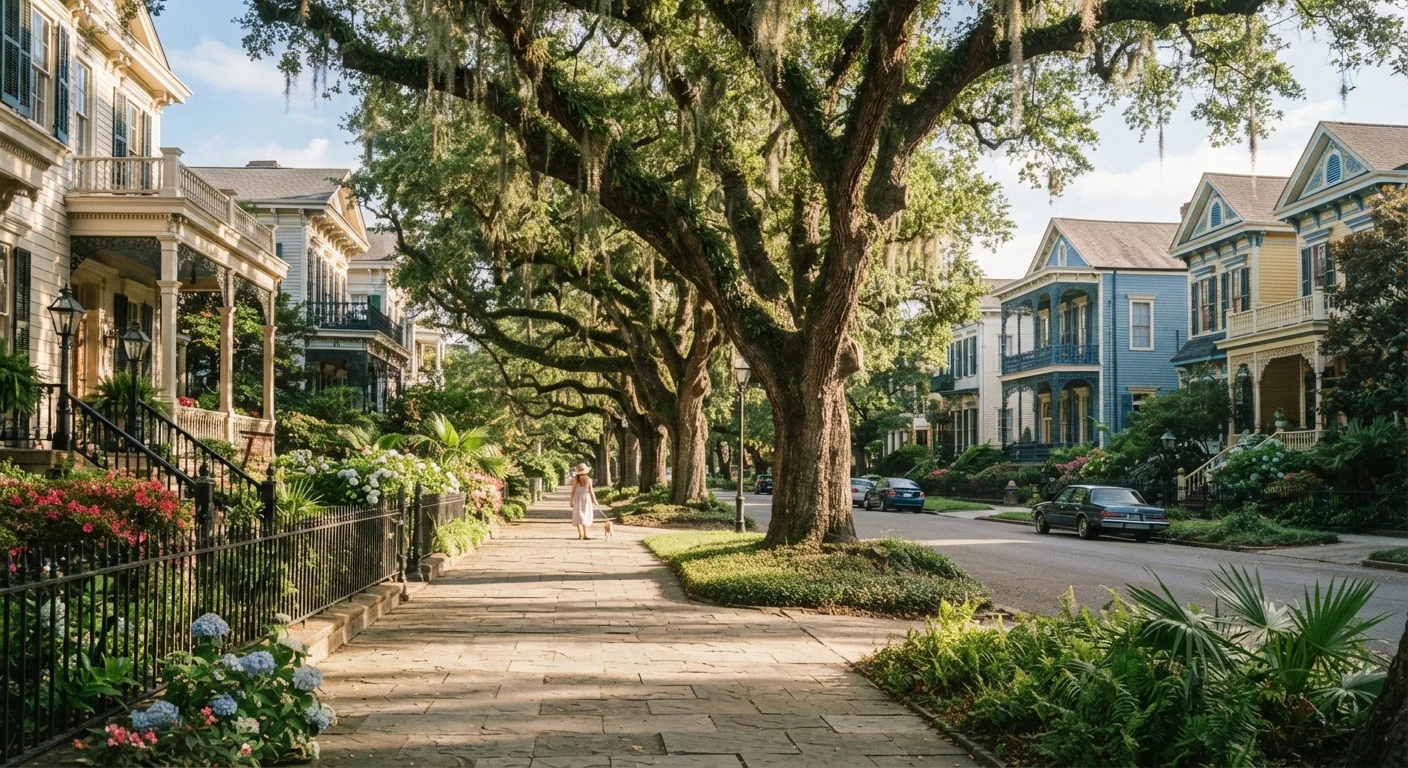
Photo: MyUrbanEscapes.net | Small Escapes. Big Experiences. editorial
—— In This Article
Key Takeaways
- October through April offers the most comfortable temperatures and thinner crowds for seniors visiting New Orleans.
- Neighbourhood choice matters: the Garden District and Bywater are quieter and more walkable than the French Quarter at peak times.
- Strategic morning itineraries and midday indoor breaks dramatically reduce heat-related fatigue.
- Streetcars and ride-share services let visitors cover ground without excessive walking on hot or humid days.
- Many of the city's finest cultural experiences — museums, historic homes, live jazz venues — are fully climate-controlled.
Timing Your Visit Around Heat and Crowds
New Orleans sits at a subtropical latitude, which means heat and humidity are genuine planning factors, not afterthoughts. Summer months — June through September — routinely see heat indices above 100°F, and the city also falls within the Atlantic hurricane season window during that period. For older visitors who are sensitive to heat or simply prefer a more relaxed pace, the cooler months offer a meaningfully different experience.
November through February brings average highs in the mid-60s°F and far smaller crowds. March and April balance mild weather with cultural events like the French Quarter Festival, though Mardi Gras (typically February or early March) brings the city's highest visitor volumes of the year. If your goal is atmosphere without the crush, aim for the weeks immediately surrounding — but not during — major festivals. October is widely considered one of the most comfortable months weather-wise and precedes the high-holiday surge.
For context on how seasonal timing affects travel more broadly, see our guide to choosing a cruise season — many of the same shoulder-season principles apply on land.
The Sweet Spot: October and November
October and November represent a practical consensus among experienced New Orleans visitors for combining tolerable temperatures, reduced humidity, and lighter crowds. The city's oak trees retain their canopy, outdoor dining is genuinely pleasant in the evenings, and hotel rates tend to be lower than during the winter festival season. It's also well outside the peak of hurricane season, which formally ends November 30. If you have flexibility in your calendar, this window is worth prioritising.
Choosing the Right Neighbourhood as Your Base
The French Quarter is the instinctive choice, but it is also the noisiest, most crowded, and least flat-pedestrian-friendly part of the city at peak times. Bourbon Street in particular can be overwhelming midday on a weekend. Seniors who want character without chaos often find better footing in adjacent neighbourhoods.
The Garden District offers grand antebellum mansions, oak-canopied sidewalks, and a noticeably quieter pace. The St. Charles Avenue streetcar connects it directly to the Central Business District and the edge of the French Quarter without requiring a single step into the crowds. Uptown, further along the same streetcar line, is residential and walkable, with grocery options and local cafés accessible without a car. The Marigny and Bywater districts, just east of the French Quarter, offer live music in smaller venues, flat terrain, and significantly fewer tour groups.
Wherever you stay, ground-floor or elevator-accessible accommodation is worth confirming in advance. Many older New Orleans properties have charm but limited accessibility infrastructure — verify specifics directly with the property before booking.
~91°F
Average July heat index in New Orleans
According to NOAA climate data, the July heat index in New Orleans regularly exceeds 95°F and can approach 110°F during heatwaves, making afternoon outdoor activity genuinely risky.
64°F
Average January high temperature
NOAA historical averages show New Orleans winters are mild by national standards, with January highs around 64°F and minimal rainfall compared to summer months.
Managing Heat Through Smart Scheduling
The single most effective strategy for enjoying New Orleans in warm weather is a front-loaded day. Plan outdoor activities — cemetery tours, the Audubon Zoo, the City Park sculpture garden — before 11 a.m. Heat typically peaks between 1 and 4 p.m., and that window is best spent indoors.
New Orleans offers an exceptional range of climate-controlled indoor experiences: the National WWII Museum (one of the most visited museums in the country), the New Orleans Museum of Art inside City Park, the Ogden Museum of Southern Art, and dozens of historic house museums with guided tours. A two-hour afternoon break — whether in a museum, a café, or your room — can make the difference between enjoying the evening and missing it entirely due to exhaustion.
Evening in New Orleans is legitimately one of its best features. Temperatures drop, live music spills from open doors along Frenchmen Street, and the light on the Mississippi is genuinely beautiful. Structuring your day to conserve energy for the evening rewards you with the city at its most atmospheric. See our companion piece on staying comfortable in the heat for specific hydration and pacing strategies.
Book accommodation with confirmed elevator access and climate control before arriving.
Older New Orleans properties are charming but often have steep staircases and variable HVAC systems. Confirming these details in advance prevents a difficult situation on arrival and ensures a comfortable home base throughout the visit.
Plan outdoor sightseeing before 11 a.m. and schedule indoor activities for the afternoon heat peak.
Heat indices in New Orleans can be dangerous for anyone, and seniors are statistically more vulnerable to heat-related illness. Structuring the day around temperature patterns preserves energy and reduces health risk without sacrificing the city's highlights.
Use the St. Charles streetcar as a primary transport corridor rather than walking the full route.
The streetcar covers more than five miles of the city's most architecturally significant street, connects key neighbourhoods, and eliminates long sun-exposed walks between points of interest.
Identify shaded or indoor rest points along any planned walking route before you set out.
Shade is unevenly distributed in New Orleans — some blocks are heavily tree-canopied, others are exposed. Knowing where you can stop, sit, and cool down reduces the risk of overheating mid-itinerary.
Target the city's live music and dining experiences in the cooler evening hours.
New Orleans evenings are culturally rich and typically 10–15°F cooler than the afternoon peak. Reserving the city's most social experiences for this window means enjoying them at their best while your body temperature has also recovered.
Transport Options That Reduce Physical Strain
New Orleans is not a walking-only city for most seniors, nor does it need to be. The St. Charles Avenue streetcar is historic, air-conditioned on modern cars, and genuinely useful — it covers one of the most scenic and interesting corridors in the city. The Canal Street streetcar extends access to Mid-City and the Bayou St. John area. Both accept cash and contactless payment.
Ride-share services operate reliably throughout the metro area and are a practical choice for getting between the airport and your accommodation, navigating to dinner in the evening, or reaching City Park without a long walk in the midday heat. Taxis are also available, particularly near hotels and the French Quarter.
Visitors who enjoy cycling but want assistance on longer stretches will find e-bike rental options in the city, though the suitability of cycling depends entirely on individual comfort and physical condition — that's a personal assessment, not a universal recommendation. For those with mobility considerations, a broader framework for matching destinations to physical needs is outlined in our article on choosing a warm destination when mobility matters.

Top Destinations Editorial Team
Top Destinations Editorial Team is the collective byline for our editorial team and contributor network. Articles published under this byline or an editorial pen name are researched, written, and reviewed according to our editorial standards for clarity, consistency, and independence before publication.
View author profile